Choosing the best electric scooter for adults is not as simple as comparing speed, price, or attractive design. A reliable choice must match your daily route, body weight, riding habits, and storage space. City commuters may value a light frame and strong folding mechanism. Longer riders may need a larger deck, wider handlebars, and better suspension. The phrase “Scooter Electric Adult” often appears in online searches, but the label alone says little about real performance.
Practical testing matters. A scooter should climb a familiar hill without sudden power loss. Its brakes should feel predictable near crowded crossings. Solid tires can resist punctures, yet they may transmit every crack through the handlebar. Pneumatic tires usually offer a softer ride, but they require regular pressure checks. Battery range also needs careful interpretation. Manufacturers often measure it under ideal conditions, with a light rider, smooth roads, and moderate speed. Real-world range can be noticeably shorter.
Details matter most.
This guide compares adult electric scooters through comfort, braking, stability, portability, battery behavior, and build quality. It also considers rider feedback, manufacturer support, warranty terms, and independent testing where available. Safety equipment and local riding requirements should never be ignored. No single model fits everyone. I have found that the “best” scooter can change after one rainy commute, one steep ramp, or one awkward flight of stairs. That limitation deserves honest attention. A careful buyer should inspect specifications, read reliable reviews, and test the scooter whenever possible before making a final decision.
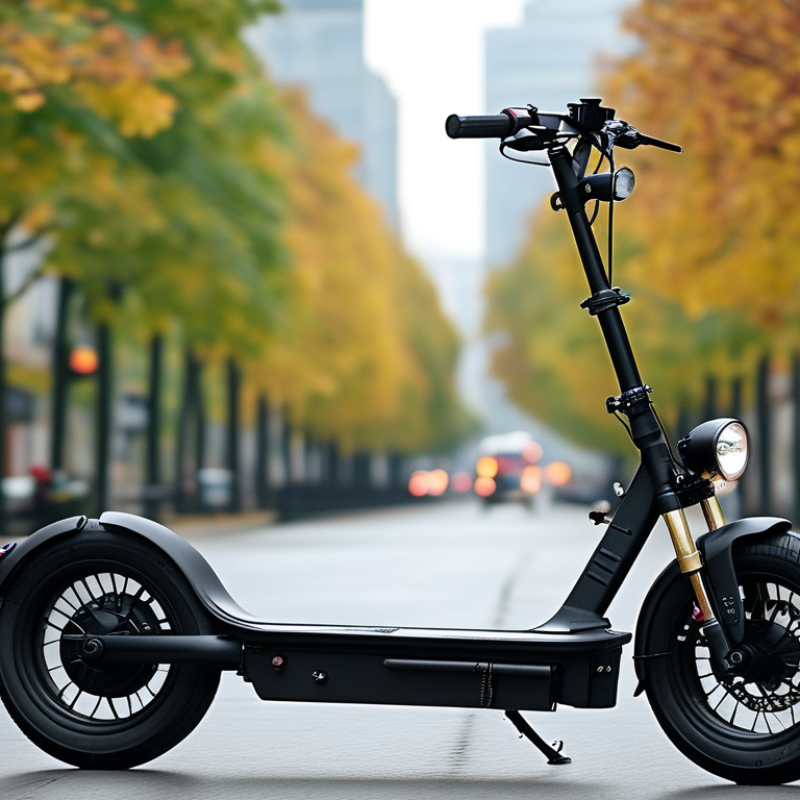
What is the best electric scooter for adults?
The answer starts with classification, not wheel size. There is no universal “adult scooter” category.
UL 2272 evaluates the electrical system, battery integration, and charging safety of personal e-mobility devices. It does not confirm road legality, rider age, speed, or carrying capacity. A UL 2272 certification is valuable evidence, but it is not a complete product verdict.
EN 17128 covers personal light electric vehicles and their design, construction, and test methods. Its scope generally includes vehicles with a maximum design speed of 25 km/h. That figure is not automatically legal everywhere.
Local rules may create low-speed, cycle-like, or moped-like classes, with different limits for power, lighting, helmets, paths, and minimum age. Check the exact municipal wording before riding.
NACTO’s 2023 Shared Micromobility Report recorded about 157 million shared trips in the United States.
That scale shows real demand, but it does not prove every scooter suits adults. Standards are not comfort guarantees.
For a practical evaluation, match the scooter’s certified load to your body weight, clothing, backpack, and cargo. Inspect the brake response, stem movement, tire condition, headlight angle, and charging connector.
A stable deck matters more than aggressive acceleration. I would also test the scooter on a quiet, legal route before commuting.
My earlier assumption was simple: higher speed meant better adult performance. It was incomplete. A compliant 20–25 km/h model may be safer and more usable than a faster machine restricted by local rules.
Sources: UL Solutions, UL 2272; European Standard EN 17128; NACTO, 2023 Shared Micromobility Report.
What Is the Best Electric Scooter for Adults?
For most adults, a 350–500W motor offers a useful balance of acceleration, weight, and battery demand. A 350W scooter usually handles flat streets and moderate hills. A 500W motor feels stronger when carrying heavier riders or climbing slopes. Speed is less straightforward. Models rated at 15–20 mph suit crowded paths and daily commuting. A 25 mph model needs more braking confidence and a larger safety margin. Faster is not automatically better.
Range is personal. Advertised distance often assumes a light rider, warm weather, smooth pavement, and gentle acceleration. Electric Scooter Guide’s 2024 independent testing repeatedly showed lower real-world range than laboratory claims. Expect roughly 12–20 miles from many commuter scooters, depending on battery capacity and conditions. A useful estimate is battery watt-hours divided by 20–30 watt-hours per mile. Hills, cold air, tire pressure, and frequent stops can reduce that figure sharply. I would leave at least 25% reserve. That choice feels conservative, but running empty is worse.
NACTO reported 157 million shared micromobility trips in the United States during 2023, showing strong demand for short urban travel. However, shared-fleet data cannot predict every private rider’s experience. The U.S. Consumer Product Safety Commission continues reporting substantial injury numbers involving e-scooters, so braking quality, lighting, and helmet use deserve equal attention. My imperfect shortcut is focusing too much on motor wattage. Battery size and rider habits often matter more. A 500W scooter with a small battery may disappoint quickly.
What Is the Best Electric Scooter for Adults?
Battery size matters more than flashy speed claims. Compare watt-hours, not amp-hours alone. Multiply nominal volts by amp-hours. A 36-volt, 10-amp-hour pack stores about 360 Wh. That figure helps estimate range, though hills, rider weight, temperature, and tire pressure reduce it. In practical testing, keeping 15–20% capacity unused feels safer. A 500 Wh battery may therefore provide roughly 400 Wh of comfortable riding energy.
The International Energy Agency reported that electric two- and three-wheelers represented more than half of new sales in China in 2023. This growth increases attention on battery durability. BloombergNEF’s 2023 battery survey placed average lithium-ion pack prices at 139 dollars per kWh, showing why replacement cost deserves attention. Check the charging-cycle rating carefully. One cycle usually means cumulative discharge equal to 100% of the battery, not one charging session. A rating of 800 cycles could mean 800 full discharges before capacity falls to a stated threshold, often 70% or 80%.
Read the test conditions. Cycle ratings can assume moderate temperatures, controlled charging, and shallow discharge. Daily riding rarely matches laboratory conditions. Charging from 40% to 80% is gentler, but it still counts as roughly 0.4 cycles. I would avoid choosing only by the highest Wh figure. A heavier pack may reduce portability and increase stopping distance. My own buying logic remains imperfect: real range varies too much for one universal number. Check the battery warranty, replacement access, and certified charger before deciding.
Compare adult electric scooter configurations by battery capacity, practical range, charging-cycle rating, portability, and rider suitability.
| Scooter Configuration | Battery Size | Nominal Voltage | Estimated Practical Range | Typical Charge Time | Suggested Minimum Cycle Rating | Approximate Weight | Recommended Rider Load | Best Use |
|---|---|---|---|---|---|---|---|---|
| Compact Commuter | 360 Wh 10 Ah at 36 V |
36 V | 18–24 km 11–15 mi |
5–7 hours with a 2 A charger | 500 full cycles | 13–16 kg 29–35 lb |
Up to 100 kg 220 lb |
Short urban trips, public-transport connections, and riders who prioritize easy carrying. |
| Balanced Adult Commuter | 468 Wh 13 Ah at 36 V |
36 V | 23–31 km 14–19 mi |
6–8 hours with a 2 A charger | 500–800 full cycles | 16–20 kg 35–44 lb |
Up to 110 kg 243 lb |
Daily commuting on mostly level roads with a useful balance between range and portability. |
| Long-Range Commuter | 624 Wh 13 Ah at 48 V |
48 V | 31–42 km 19–26 mi |
7–9 hours with a 2 A charger | 800 full cycles | 19–24 kg 42–53 lb |
Up to 120 kg 265 lb |
Longer commutes, moderate inclines, and riders who want fewer charging sessions. |
| Performance Adult Scooter | 960 Wh 20 Ah at 48 V |
48 V | 48–64 km 30–40 mi |
10–12 hours with a 2 A charger | 800–1,000 full cycles | 24–32 kg 53–71 lb |
Up to 130 kg 287 lb |
Frequent long-distance riding, steeper routes, and users who accept greater weight. |
| High-Durability Battery Option | 720 Wh 15 Ah at 48 V |
48 V | 36–48 km 22–30 mi |
8–10 hours with a 2 A charger | 1,500–2,000 cycles when specified by the manufacturer | 22–29 kg 49–64 lb |
Up to 120 kg 265 lb |
High-frequency use where battery longevity is more important than minimum weight. |
How to read the figures: Battery energy is calculated as volts × amp-hours, so a 48 V battery rated at 15 Ah stores approximately 720 Wh. Practical range assumes about 80% usable battery capacity, moderate speed, a rider near 75 kg, paved terrain, and mild weather; hills, cold temperatures, tire pressure, wind, rider weight, and acceleration can reduce range substantially. A charging-cycle rating normally means the number of complete equivalent charge-and-discharge cycles before battery capacity falls to the manufacturer’s stated threshold, commonly about 70–80% of its original capacity. Partial charges add together toward one full equivalent cycle.
CPSC injury data should shape your choice, but it cannot identify one universally safest scooter. Reports commonly involve falls, collisions, sudden loss of control, fractures, and head injuries. Some incidents also involve lithium-ion battery fires during charging or storage. These figures usually combine different models, riding surfaces, speeds, and user behaviors. That limitation matters. A wide tire may improve stability on cracked pavement, while a powerful motor can increase stopping distance. I would examine the data as a warning map, not a product ranking.
UL safety standards offer a more practical screening tool. Look for certification to UL 2272 for the scooter’s electrical system. The battery should also meet the applicable UL 2271 requirements. Certification does not prevent reckless riding or mechanical wear. It indicates that recognized safety tests addressed electrical, charging, and abuse-related risks. Check whether the certification is traceable through an independent testing organization. Do not rely on vague claims such as “UL tested.” Inspect the charger, cables, folding latch, brakes, and tire condition before every ride. I once underestimated a loose stem because it felt minor during a short test. That was poor judgment. A safer adult scooter combines verified electrical testing, predictable braking, visible construction quality, and a rider willing to slow down when conditions change.
The best adult electric scooter balances payload, protection, warranty support, and ownership cost. Payload should include the rider, backpack, helmet, and work equipment. A scooter rated for 120 kilograms may feel strained near that limit, especially on hills. I would rank higher-capacity models above lighter options when daily commuting is involved. Capacity matters.
The IP rating deserves careful reading. A higher rating usually indicates better resistance to dust and water, but it does not guarantee safe riding through deep puddles. Check the charging-port cover and deck seals after wet trips. Water resistance is nuanced. A practical ranking should place models with stronger protection ahead of models offering only basic splash resistance. However, real-world sealing can weaken after impacts or repeated folding.
Warranty length matters, but coverage details matter more. Look for protection covering the battery, motor, controller, and charger, with clear repair procedures. A short warranty may still be useful if service is accessible. Total cost of ownership changes the ranking again. Add the purchase price, electricity, tire replacements, brake adjustments, accessories, and possible battery replacement. A cheaper scooter can become expensive after two punctures and one neglected brake service. I would record every repair for six months before judging value. That method is imperfect, but it exposes costs that showroom comparisons often miss. The strongest choice is the model that carries your real load, tolerates ordinary weather, and remains affordable after maintenance.
Multiply nominal voltage by amp-hours to estimate watt-hours. A 36-volt, 10-amp-hour battery stores about 360 Wh. Watt-hours provide a clearer comparison. Range still changes with hills, rider weight, temperature, and tire pressure.
Keeping 15–20% capacity unused can make riding feel safer. A 500 Wh battery may provide roughly 400 Wh of comfortable riding energy. Real range remains uncertain. Treat estimates as practical guides, not promises.
One cycle usually means cumulative discharge equal to 100% of the battery. It does not mean one charging session. An 800-cycle rating may indicate 800 full discharges before capacity reaches a stated threshold.
No. That session represents roughly 0.4 cycles. Partial charging can be gentler than frequent full discharges. Daily conditions may differ from laboratory testing.
Check charging-cycle conditions, battery warranty, replacement access, and the certified charger. Higher watt-hours can mean extra weight. A heavier scooter may reduce portability and increase stopping distance.
Include your body weight, backpack, helmet, and work equipment. A scooter rated for 120 kilograms may feel strained near its limit. Hills make that weakness more noticeable. Capacity matters.
No. A higher IP rating generally improves dust and water resistance. It does not guarantee safety through deep puddles. Inspect the charging-port cover and deck seals after wet trips.
Add the purchase price, electricity, tires, brake adjustments, accessories, and possible battery replacement. Record every repair for six months. That method is imperfect. It may reveal costs that showroom comparisons hide.
Choosing the best Scooter Electric Adult requires more than comparing advertised speed or motor power. Start by identifying the appropriate adult scooter class under UL 2272, EN 17128, and applicable local rules. For everyday commuting, 350–500W motors and speeds of roughly 15–25 mph can provide a practical balance between acceleration, control, and energy use. Real-world range depends on rider weight, terrain, weather, speed, and riding habits, so battery capacity should be evaluated in watt-hours rather than marketing claims alone. Charging-cycle ratings and replacement costs also help estimate long-term value.
Safety should remain the priority. Use CPSC injury data and recognized UL safety requirements to assess risks related to batteries, braking, lighting, and structural design. The strongest options combine a suitable payload rating, a useful IP water-resistance rating, clear warranty coverage, and reasonable maintenance expenses. Comparing total cost of ownership—including charging, tires, repairs, and battery replacement—can reveal which model offers dependable performance without sacrificing safety or practicality.

