Yuema electric scooter manufacturer logo YuemaScooter Manufacturer Request a Catalog

Top Electric Scooters With Seat for Wholesale Buyers?

Time:2026-10-26 Author:Henry
0%

Choosing the right Electric Scooters With Seat for wholesale distribution requires more than comparing prices and motor ratings. Buyers must examine comfort, range, durability, safety features, and after-sales support. A scooter may look impressive in a product photograph but feel unstable during a real warehouse inspection. Practical testing matters.

This guide introduces key models and evaluation points for professional buyers. It considers frame strength, seat design, tire performance, battery capacity, charging time, braking systems, and controller quality. It also reviews packaging, spare-part availability, warranty terms, and supplier communication. These details can influence customer satisfaction and long-term operating costs.

Wholesale decisions should follow documented specifications and independent checks whenever possible. Ask suppliers for battery test records, product manuals, quality certificates, and clear compliance information for your target market. Standards differ by country and region, so one certificate may not be sufficient everywhere. Do not rely only on advertised range. Rider weight, terrain, temperature, and tire pressure can reduce actual performance.

Some recommendations may require adjustment after field trials. That is important. A model suitable for short urban trips may perform poorly on steep roads or rough pavements. Even experienced buyers can overlook seat ergonomics or folding stability. We will highlight both strengths and weaknesses, helping distributors compare products realistically. The goal is not to promote the most expensive scooter. It is to identify dependable options that balance usability, wholesale value, customer expectations, and responsible sourcing.
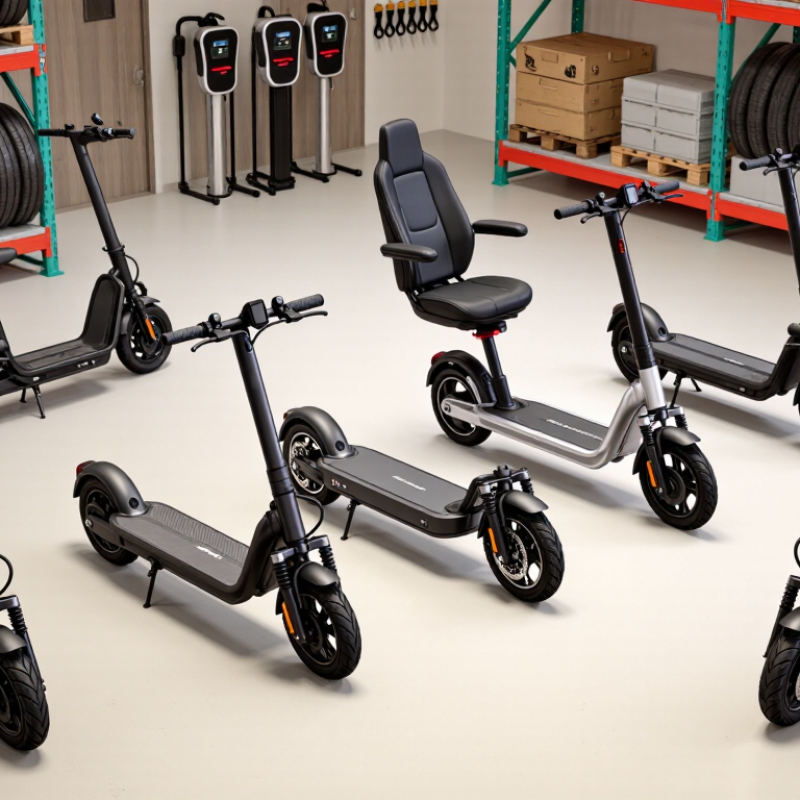
Top Electric Scooters With Seat for Wholesale Buyers?

What Defines a Quality Electric Scooter With a Seat?

For wholesale buyers, a quality electric scooter with a seat should feel stable before it feels fast. A reinforced frame, wide deck, and balanced seat position reduce wobbling on uneven pavement. Ask suppliers for load testing records, not just attractive product photos. The motor should deliver smooth starting power, while the controller prevents sudden acceleration. In practical inspections, loose wiring and weak folding joints often reveal poor assembly. Small faults become expensive returns.

Battery quality also defines the riding experience. Check the battery chemistry, rated capacity, charging time, and protection system. A reliable unit should resist overcharging, overheating, and deep discharge. Braking performance deserves a hands-on test, especially with a heavier rider and added cargo. Mechanical or hydraulic brakes can work well when adjusted correctly. However, even good brakes need regular inspection. Weather resistance is another useful detail; sealed connectors and protected displays help during light rain, but no scooter should be treated as fully waterproof without verified testing.

Tips: Request sample units before placing a large order. Measure real range with a typical rider, not an empty scooter. Inspect welds, tire grip, seat padding, and charger temperature after use. Confirm spare-part availability and clear service procedures. A removable battery may improve storage, but it can also create extra connection points. That trade-off is easy to overlook.

Which Features Matter Most for Wholesale Buyers?

For wholesale buyers, a seated electric scooter should be judged by repeatable performance, not showroom appearance. The IEA’s Global EV Outlook 2024 reported that electric two- and three-wheelers represented more than half of global electric vehicle sales in 2023. That scale increases pressure on buyers to select reliable, serviceable models.

Battery safety comes first. The U.S. Consumer Product Safety Commission reported 233 micromobility-related deaths and approximately 190,000 emergency-department-treated injuries from 2017 to 2022. Buyers should request battery traceability, charger testing, battery-management protection, and clear compliance documents. Small details matter. A loose charging port can become an expensive warranty problem.

Range claims also need careful review. Ask for tested range under a defined rider weight, speed, temperature, and road surface. Payload capacity should include the rider and cargo, not just the seat. Hydraulic or mechanical disc brakes, wider pneumatic tires, lighting, suspension, and corrosion-resistant fasteners improve daily usability. For fleet resale, replaceable controllers, standard connectors, spare batteries, and accessible service parts may matter more than a larger display. Real experience often exposes gaps. A model promising 50 kilometers may deliver far less on hills or cold mornings. Wholesale contracts should therefore include sample testing, failure-rate reporting, warranty response times, and packaging inspection before large-volume orders.

Top Electric Scooters With Seat for Wholesale Buyers? - Which Features Matter Most for Wholesale Buyers?

Configuration Typical Motor Rating Battery Configuration Typical Claimed Range Maximum Speed Recommended Payload Wheel and Tire Setup Braking System Approx. Product Weight Best Wholesale Application
Compact Folding Seated Scooter 250–500 W nominal hub motor 36 V, 10–15 Ah lithium-ion battery 20–35 km per charge 20–25 km/h 100–120 kg 8–10 inch pneumatic or solid tires Rear drum or electronic braking; some versions include a front disc 18–25 kg Apartment living, commuting, travel, and mobility-focused retail
Urban Commuter With Removable Seat 350–500 W nominal hub motor 36 V, 12–20 Ah removable lithium-ion battery 25–45 km per charge 25–32 km/h 110–130 kg 10 inch pneumatic tires Front disc plus rear electronic or drum braking 22–30 kg Daily urban transport, rental fleets, and general e-mobility stores
Long-Range Seated Commuter 500–800 W nominal hub motor 48 V, 15–25 Ah lithium-ion battery 40–70 km per charge 30–40 km/h 120–150 kg 10–12 inch pneumatic tires Hydraulic or mechanical disc brakes with electronic cutoff 28–38 kg Long-distance commuting and premium direct-to-consumer channels
All-Terrain Seated Scooter 800–1,000 W nominal motor 48 V, 20–30 Ah lithium-ion battery 45–75 km per charge 30–45 km/h 130–160 kg 12–14 inch pneumatic tires with deeper tread Front and rear disc brakes; regenerative braking may be included 35–50 kg Suburban users, outdoor recreation, farms, and uneven-surface applications
Heavy-Duty Utility Seated Scooter 1,000–1,500 W nominal motor 48–60 V, 25–40 Ah lithium-ion battery 50–90 km per charge 35–45 km/h 150–200 kg 12–16 inch pneumatic tires Dual hydraulic disc brakes with parking brake 45–70 kg Property management, warehouse campuses, resorts, and utility transport
Two-Seat Utility Scooter 800–1,500 W nominal motor 48 V, 20–35 Ah lithium-ion battery 40–75 km per charge 25–40 km/h 180–250 kg total load 12–14 inch pneumatic tires Front and rear disc or hydraulic braking 45–75 kg Resorts, private communities, campuses, and leisure-focused retailers
Commercial Fleet Seated Scooter 500–1,000 W nominal hub motor 48 V, 15–25 Ah removable battery 35–65 km per charge 25–40 km/h 120–160 kg 10–12 inch puncture-resistant tires Disc or drum brakes with electronic motor cutoff 28–45 kg Rental operators requiring serviceability, tracking, and standardized parts
Wholesale benchmark note: Range figures are commonly stated under controlled conditions with a moderate rider load, flat terrain, and conservative speed. Actual performance varies with rider weight, temperature, hills, tire pressure, payload, battery age, and riding mode. Buyers should verify local speed limits, battery transport rules, charger certifications, electrical safety documentation, spare-parts availability, warranty terms, and regional compliance requirements before placing an order.

How to Compare Performance, Range, Comfort, and Durability

Top Electric Scooters With Seat for Wholesale Buyers?

When comparing seated electric scooters for wholesale purchase, test performance beyond the advertised motor rating. Check hill climbing, acceleration, braking distance, and stability with a realistic rider load. A scooter that feels quick on flat pavement may struggle on ramps or uneven streets. Ask for controller limits, tire specifications, and independent test records. Those details often reveal more than sales language.

Range requires careful judgment. Battery capacity matters, but rider weight, temperature, slopes, tire pressure, and stop-and-go traffic also reduce distance. Request range results under defined conditions, not only laboratory figures. Comfort deserves a practical inspection. Sit for at least ten minutes, adjust the handlebar, and examine suspension movement. A narrow seat may look efficient but become painful during repeated daily use. Small vibrations matter.

Tips: Test sample units before placing a large order. Record battery voltage, charging time, brake response, frame movement, and visible weld quality. Check whether replacement batteries, tires, controllers, and chargers are consistently available. Durability is difficult to predict from photographs. Inspect folding joints and corrosion protection after repeated use. I would avoid choosing the lowest price too quickly; however, premium pricing does not always prove better construction. A simple field test may expose weaknesses that polished specifications miss.

How to Evaluate Suppliers, Pricing, and Minimum Order Quantities

Top Electric Scooters With Seat for Wholesale Buyers?

Wholesale demand is growing, but supplier evaluation needs more than a catalog price. The International Energy Agency reported that the global electric two- and three-wheeler fleet exceeded 280 million vehicles in 2023. That scale increases competition, yet quality varies sharply between factories. Request battery specifications, motor ratings, charging tests, warranty terms, and recent production photos. Ask for destination-market compliance documents. Never treat a certificate screenshot as proof.

Pricing should be calculated as landed cost, not factory cost. BloombergNEF reported an average lithium-ion battery pack price of 115 dollars per kWh in 2024. A seated scooter’s battery may use only a few kWh, but controllers, tires, chargers, packaging, freight, and inspection can change the final margin. Compare identical configurations. A cheaper quote may exclude the charger or use a smaller battery. That mistake is common.

Minimum order quantity deserves practical negotiation. Some suppliers quote 20 units for standard colors, while customized dashboards or body panels may require 100 units or more. Ask for a sample, then a small pilot shipment before committing to a full container. My first quote comparison failed because I ignored spare parts and defect handling. I also underestimated carton damage during transit. Track failure rates, delivery consistency, and response time, not just the spreadsheet total. The best supplier is not always the cheapest one.

What Safety Standards, Warranty, and Support Should Be Checked?

For wholesale buyers, seated electric scooters should pass more than a showroom inspection. Request reports from an independent laboratory, not only internal checklists. Verify testing against standards required in each target market. Examine braking distance, steering stability, frame strength, lighting, horn, and maximum load. Battery packs should include overcharge, overheat, and short-circuit protection. Chargers also need careful review. A damaged charger can create serious risks.

Warranty language often looks generous but hides practical limits. Check coverage periods for the motor, controller, battery, frame, and charger separately. Ask whether battery capacity loss is covered or excluded. Confirm who pays return freight and how defective units are diagnosed. A clear serial-number system supports traceability and possible safety notices. Response times matter too. A replacement part arriving after eight weeks may damage your customer relationships.

Tips: Request one sample unit before placing a large order. Test it with a realistic rider and load. Measure braking on dry and slightly uneven surfaces. Keep videos, inspection records, and signed acceptance criteria. Ask for spare parts lists, repair manuals, training, and a named support contact. Do not rely on verbal promises. I have seen buyers focus on purchase price and overlook charger failures, unavailable brake parts, or unclear warranty exclusions. That oversight is easy to repeat, especially under sales pressure.

FAQS

What makes a seated electric scooter feel stable?

A reinforced frame, wide deck, and centered seat reduce wobbling. Stability matters more than speed. Test it on uneven pavement with a typical rider and light cargo.

How should wholesale buyers check battery quality?

Request the battery chemistry, rated capacity, charging time, and protection details. The system should limit overcharging, overheating, and deep discharge. Ask for traceability and charger testing records. Documents can still miss practical faults.

How can buyers verify the claimed riding range?

Test range with a defined rider weight, speed, temperature, and road surface. Include hills and cold mornings when possible. An empty scooter gives misleading results. Real testing is less flattering.

Which braking features deserve attention?

Test braking with a heavier rider and added cargo. Mechanical and hydraulic brakes can both perform well when adjusted correctly. Check stopping control, lever feel, and pad condition. Good brakes still need regular inspections.

What details reveal poor assembly?

Inspect loose wiring, weak folding joints, rough welds, and loose charging ports. Check whether the display and connectors remain secure after riding. Small faults become costly returns. Photos cannot show everything.

What should the payload rating include?

The payload should include the rider, cargo, and practical accessories. Do not judge capacity from the seat size alone. Ask for load-testing records. Test with real weight.

Which features improve daily usability?

Wider pneumatic tires, lighting, suspension, and corrosion-resistant fasteners improve comfort. Sealed connectors and protected displays help during light rain. No scooter should be treated as fully waterproof without verified testing.

What should buyers inspect before placing a large order?

Request sample units before approving bulk production. Measure range, charger temperature, tire grip, seat comfort, and folding strength. Confirm spare parts and service procedures. A removable battery helps storage but adds connection points. That trade-off is easy to miss.

Conclusion

Choosing the right Electric Scooters With Seat for wholesale purchase requires more than comparing appearance and price. A quality model should offer a strong frame, stable handling, reliable braking, comfortable seating, and a practical balance between motor performance and battery range. Wholesale buyers should also assess load capacity, charging time, tire design, suspension, weather resistance, ease of maintenance, and the durability of key components. These factors help ensure that the scooters can meet different customer needs while reducing long-term service issues.

Supplier evaluation is equally important. Buyers should compare product consistency, customization options, production capacity, pricing, lead times, and minimum order quantities. Before placing an order, they should request clear product specifications, sample units, warranty terms, replacement-part availability, user manuals, and responsive technical support. It is also essential to confirm that the scooters meet applicable safety and quality requirements in the intended market. A dependable supplier should communicate transparently and provide reliable after-sales assistance, helping wholesalers build customer trust and maintain sustainable business growth.

Henry

Henry

Henry is a dedicated marketing professional with a profound expertise in the company's offerings. With years of experience in the industry, he possesses an impressive understanding of the market dynamics and consumer behaviors that drive success. Henry is committed to sharing his insights through......
