Yuema electric scooter manufacturer logo YuemaScooter Manufacturer Request a Catalog

How to Choose the Best 3 Wheel Electric Scooter

Time:2026-09-26 Author:Henry
0%

Choosing the right 3 Wheel Electric Scooter is about more than comparing speed or advertised range. It means finding a dependable match for the rider, daily route, and storage space. The World Health Organization’s Global Report on Assistive Technology (2022) estimates that 2.5 billion people need one or more assistive products worldwide. That wider need makes practical, evidence-based product choices important.

Three-wheel designs can offer a tighter turning circle, which helps in shops and narrow hallways. But maneuverability alone does not guarantee a stable, comfortable ride. Check the scooter’s weight capacity, turning radius, seat adjustability, braking system, and ground clearance. Then compare the stated battery range with your actual needs. Hills, cold weather, rider weight, and frequent stops can reduce real-world distance. The numbers deserve a second look.

A useful comparison also starts with the route itself. Measure doorways, ramps, and the space available beside your bed or car. Note whether the scooter must cross cracked pavement or climb a short curb. Ask a qualified dealer about service access, replacement batteries, and a supervised test ride. A specification sheet can look reassuring, yet still leave out details that matter after a week of use. This guide explains how to weigh those details and choose a scooter that fits everyday routines—not just a product listing.
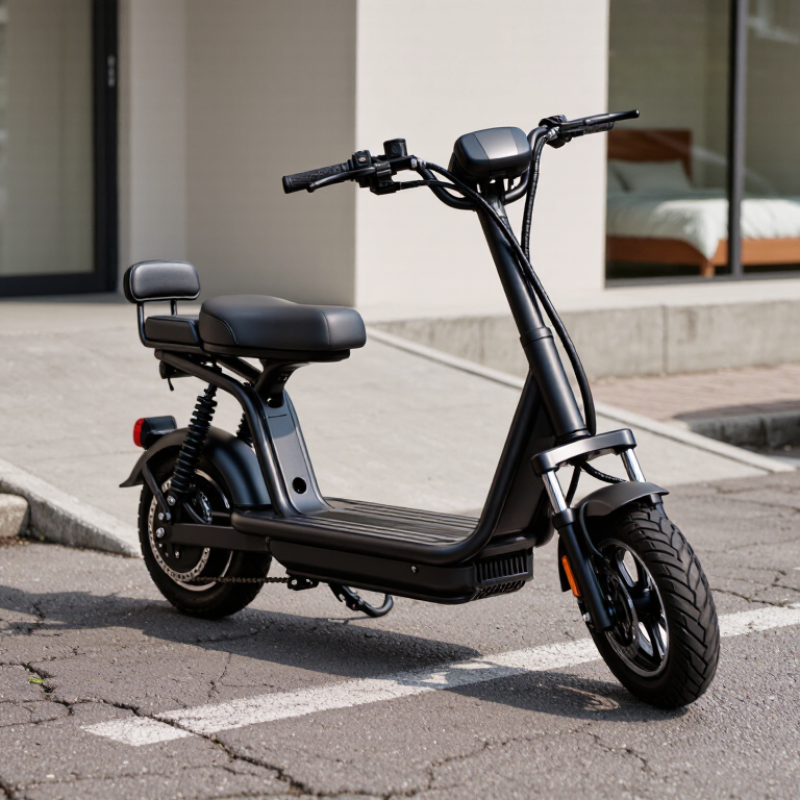
How to Choose the Best 3 Wheel Electric Scooter

Define Your Mobility Needs and Riding Environment

Before choosing a three-wheel electric scooter, map the trips you actually make. Note the distance to shops, the roughest surface, and where you must turn indoors. Measure narrow doorways and tight corners; a scooter that fits through a doorway may still be awkward to turn. Small details matter. Consider whether you can transfer into the seat comfortably and reach the controls without twisting. Three wheels can make steering feel nimble, but uneven cross-slopes may feel less stable than flat floors. Test a safe route if possible.

Your riding environment shapes the practical choice. Check curb ramps, pavement cracks, driveway slopes, and space to park or charge the scooter. The U.S. Access Board’s 2023 Public Right-of-Way Accessibility Guidelines specify a 48-inch minimum clear width for pedestrian access routes in many settings. That is useful context, not a guarantee that every path is scooter-friendly. Measure your regular route, and check the scooter’s stated turning radius, ground clearance, and slope limits.

Think about support needs, too. The World Health Organization’s 2022 Global Report on Assistive Technology estimates that 2.5 billion people need one or more assistive products; this is not a scooter-specific figure, but it shows why fit and access matter. A longer advertised range may sound reassuring, yet hills, cold weather, and frequent stops can affect real-world use. I would not choose by range alone. A short test ride can reveal more than a neat specification sheet.

Compare Three-Wheel Scooter Designs and Intended Uses

Three-wheel electric scooters suit different routines, not just different budgets. Compact travel designs often use a short wheelbase and lightweight frame, making them easier to turn in shop aisles or store in a vehicle. Full-size models typically offer a larger seat, longer range, and more room for outdoor travel, but need more storage space.

Compare turning radius, ground clearance, battery range, and weight with the actual route in mind. A tight hallway matters more than a high top speed for many users.

A three-wheel layout can feel nimble, though it generally offers less lateral stability than a comparable four-wheel design. Uneven pavement, sloped driveways, and sharp turns deserve a cautious test ride.

The World Health Organization’s 2022 Global Report on Assistive Technology estimates that 2.5 billion people need one or more assistive products, with nearly one billion lacking access.

That wider need makes fit and practical usability important—not just advertised range. Try the scooter over a doorway threshold and through a turn, if possible. I would not assume a compact model is automatically easier; a narrow seat or awkward tiller can make daily use frustrating.

Check the user manual and consult a qualified mobility professional when balance or posture is a concern.

Evaluate Range, Speed, Capacity, and Battery Performance

A three-wheel electric scooter should fit the trips you actually take, not just the numbers on a product sheet. Compare its stated range with your usual route, including hills, stops, and rough pavement. A longer route may drain the battery faster than a flat test suggests. Leave a margin for the return trip.

Check the maximum speed, but consider where you will ride and how confidently you can control the scooter. A higher top speed is not automatically useful on crowded paths or tight turns. Test the brakes and turning feel if a safe, supervised test ride is available. Small differences matter.

Weight capacity includes the rider and anything carried, such as groceries or a backpack. Staying comfortably below the rated limit can help avoid straining the motor, though real results vary by model and terrain. Battery performance deserves equal attention: ask how long a full charge takes, whether the battery can be removed, and how range may change in cold weather or as the battery ages. I would treat advertised range as an estimate, not a promise. That distinction is easy to miss. Check the warranty and care instructions, too; charging habits and storage conditions can affect long-term performance.

How to Choose the Best 3 Wheel Electric Scooter — Evaluate Range, Speed, Capacity, and Battery Performance

Scooter Type Typical Use Estimated Range per Charge Typical Top Speed Typical Weight Capacity Representative Battery Approx. Charging Time What to Evaluate
Compact / Travel Indoor spaces, short errands, and occasional transport in a vehicle 8–12 miles (13–19 km) Up to 4 mph (6.4 km/h) 250–300 lb (113–136 kg) 24 V, 12 Ah (288 Wh) About 6–8 hours Check folded or disassembled size, turning space, battery removability, and whether the range covers the full round trip.
Standard / Everyday Regular neighborhood trips on generally smooth, paved surfaces 12–18 miles (19–29 km) Up to 4–5 mph (6.4–8 km/h) 300–350 lb (136–159 kg) 24 V, 20 Ah (480 Wh) About 8–10 hours Compare real-world range, seat comfort, ground clearance, and stability on the surfaces you use most.
Longer-Range Longer outings and frequent outdoor use on paved routes 18–25 miles (29–40 km) Up to 5–6 mph (8–9.7 km/h) 300–400 lb (136–181 kg) 24 V, 35 Ah (840 Wh) About 8–12 hours Look for a higher watt-hour battery, a charger suited to the battery, and clear guidance on battery replacement and care.
Heavy-Duty Riders needing a higher payload rating or a sturdier frame 10–20 miles (16–32 km), depending on load and battery size Up to 4–8 mph (6.4–12.9 km/h), depending on model 400–500 lb (181–227 kg) Often 24 V, 35–50 Ah (840–1,200 Wh) About 8–14 hours Confirm the rated capacity includes carried items, and check braking, tire type, frame dimensions, and performance on slopes.

Figures are representative examples for comparing scooter categories, not specifications for a particular model. Actual range and charging time vary with rider and cargo weight, terrain, temperature, battery age, tire condition, and driving habits. For battery comparisons, watt-hours (Wh) can be calculated as volts (V) × amp-hours (Ah).

Check Safety Features, Comfort, and Ease of Transport

How to Choose the Best 3 Wheel Electric Scooter

Check safety features before comparing speed or appearance. Three wheels can feel steady on level pavement, but they do not prevent tipping on every slope or sharp turn. Look for responsive brakes, bright lights, reflectors, and a clear battery indicator. Check the scooter’s stated weight limit and inspect tires, cables, and folding joints. Small details matter. A loose latch may be easy to miss in a showroom.

Comfort is personal. During a test ride, notice whether your knees have room and your hands rest naturally on the grips. Try a gentle turn and a short stretch over uneven pavement; rattling or harsh vibration can become tiring. I would also check the turning space at home, since a scooter that feels nimble outdoors may be awkward in a narrow hallway. For transport, compare folded dimensions and total weight, not just whether it folds. Lifting it into a car can be harder than expected.

Tips: Bring the route you use most often to a test ride, if possible. Ask how the battery should be removed, charged, and stored. A lighter model is not always the easiest to carry; seat comfort and stability may be worth the extra weight.

Compare Costs, Warranties, and Maintenance Requirements

When comparing three-wheel electric scooters, price the full ownership picture, not just the checkout cost. Ask for written quotes covering delivery, charger, battery replacement, tires, and labor. A low purchase price can hide costly parts or service trips. Small details matter.

Warranty terms deserve close reading. The U.S. Department of Energy’s Alternative Fuels Data Center reports that many plug-in vehicle batteries carry warranties of eight years or 100,000 miles. That is a useful comparison, not a scooter standard. Check whether your scooter’s battery, controller, motor, and frame have separate coverage, and whether labor or shipping is excluded. A short battery warranty may matter more than a generous frame warranty.

Maintenance needs are practical, not abstract. Check tire pressure, brakes, and battery connections regularly; ask how often the manual recommends servicing. The U.S. Department of Energy notes that electric vehicles generally have fewer moving parts than conventional vehicles, but that does not make scooter upkeep free. Request local prices for a tire, brake adjustment, and battery test before buying. I would not trust a vague “low maintenance” claim without those numbers. A nearby repair shop can matter more than a slightly cheaper model.

How to Choose the Best 3-Wheel Electric Scooter

The chart compares indicative U.S. purchase-price and annual maintenance budgets for broad scooter categories; these are planning estimates, not fixed market averages. Warranty length and coverage differ by model, and batteries may have separate terms or exclusions. Compare the written warranty, replacement-part availability, and service requirements before buying.

FAQS

How can I judge whether the scooter’s range is enough?

Compare its stated range with your usual route, including hills, stops, and rough pavement. Leave room for the return trip. Published range is only an estimate.

Does a higher maximum speed always help?

Not necessarily. Consider your route and how confidently you can steer. Crowded paths and tight turns may call for slower speeds.

What should I check about weight capacity?

Add your body weight and anything you carry, such as groceries or a backpack. Staying below the rated limit can reduce strain, though terrain and model affect results.

What battery details should I ask about?

Ask how long charging takes and whether the battery is removable. Check how cold weather and battery age may affect range. I may be overthinking the numbers, but these details matter.

Which safety features deserve attention?

Check the brakes, lights, reflectors, and battery indicator. Inspect the tires, cables, and folding joints, too. Small details matter.

How can I assess comfort during a test ride?

Check knee room and whether your hands rest naturally on the grips. Try a gentle turn and uneven pavement. Rattling can become tiring.

What should I consider before carrying it in a car?

Compare folded dimensions and total weight. Folding alone does not make a scooter easy to lift. That can surprise you.

Can three wheels prevent tipping?

They may feel steady on level pavement, but they cannot prevent tipping on every slope or sharp turn. Test carefully. Check whether the scooter can turn comfortably inside your home, too.

Conclusion

Choosing the right 3 Wheel Electric Scooter starts with understanding where and how you plan to ride. Consider whether you’ll use it indoors, on smooth pavement, or across uneven outdoor paths, and think about storage space and portability. Three-wheel designs can differ in stability, maneuverability, and intended use, so compare models with your typical routes and daily activities in mind.

Next, review practical specifications such as travel range, speed, weight capacity, and battery performance. Check that the safety features, seating comfort, controls, and transport options suit your needs. Finally, compare the total cost of ownership, including the purchase price, warranty coverage, and expected maintenance. Taking time to assess these factors can help you choose a scooter that fits your routine, comfort preferences, and budget.

Henry

Henry

Henry is a dedicated marketing professional with a profound expertise in the company's offerings. With years of experience in the industry, he possesses an impressive understanding of the market dynamics and consumer behaviors that drive success. Henry is committed to sharing his insights through......
