Choosing an Electric Adult Scooter in 2026 requires more than comparing prices and top speeds. A reliable decision begins with your daily route, riding habits, and local conditions. A short city commute may favor a lightweight frame and solid tires. Longer journeys may require a larger battery, stronger suspension, and dependable braking. Imagine carrying the scooter up two flights of stairs, then riding across wet pavement. Small details can quickly become important.
This guide explains how to assess motor performance, real-world range, charging time, comfort, safety equipment, and build quality. Manufacturer figures can look impressive, but they often reflect ideal laboratory conditions. Your weight, hills, temperature, tire pressure, and riding style will change the result. Test reports, warranty terms, independent reviews, and recognized safety guidance deserve careful attention. Do not rely on marketing alone.
A responsible buyer should also check whether the scooter suits local road and equipment requirements. Regulations vary by location and may change over time. Verify current information before riding. The best Electric Adult Scooter is not always the fastest model or the most expensive one. It should feel stable, manageable, and practical for your routine.
Some choices remain uncertain. A heavier battery may improve range but reduce portability. Air-filled tires can feel smoother, yet they need regular maintenance. Even experienced riders can overlook these compromises. By examining specifications, real-use feedback, and your own priorities, you can make a safer and more informed choice in 2026.
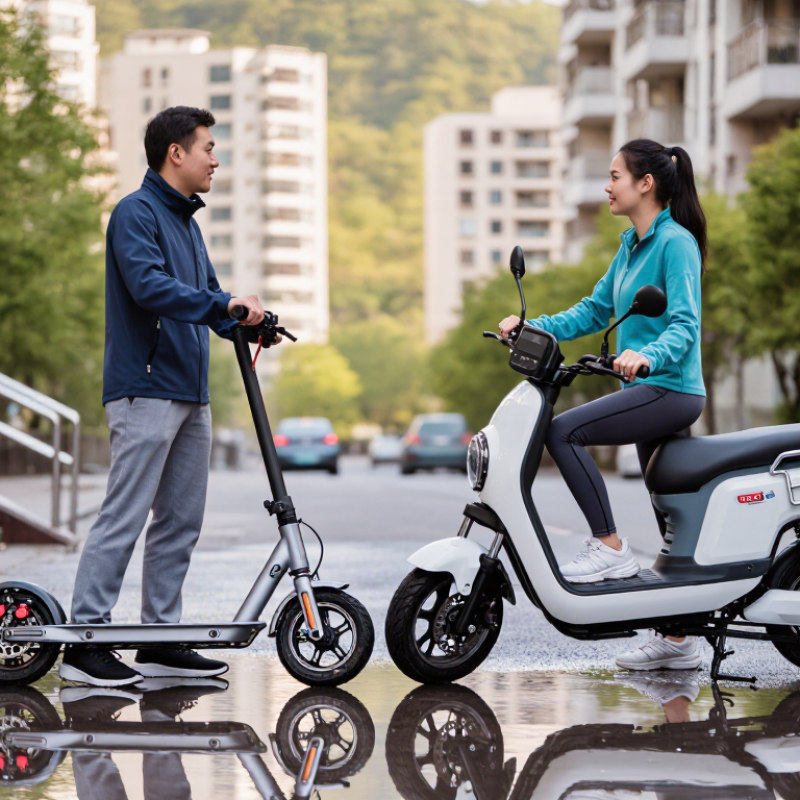
How to Choose an Electric Adult Scooter in 2026?
Defining Your Electric Adult Scooter Needs
Start with your real journey, not the scooter’s most impressive specification. Measure your daily route, including hills, rough pavement, stairs, and crowded storage areas. A claimed 40-mile range may shrink with cold weather, heavy loads, hills, or frequent acceleration. Leave a practical buffer.
Your body and routine matter too. Check the maximum load, deck length, handlebar height, and riding posture. Wider pneumatic tires can improve comfort on broken pavement, while solid tires reduce maintenance but feel harsher. Strong brakes, front and rear lights, reflectors, and a clear display deserve priority. Confirm charging time and battery replacement support before buying. I once underestimated storage space and carried a heavy scooter up narrow stairs. That mistake changed my priorities.
Tips: Write down your route for one week. Record distance, surface quality, hills, and weather. Test the scooter while wearing your usual backpack or work clothes. Keep both feet comfortably positioned. Try folding it and lifting it briefly. If the controls feel confusing, reconsider. Check the manufacturer’s technical documentation, warranty terms, and service availability. Also review local riding and parking rules. Range figures are useful, but they are not promises. A slower, lighter model may fit your life better, although I still sometimes overvalue extra power.
| Need or Decision | Typical Requirement | Recommended Specification | Why It Matters |
|---|---|---|---|
| Daily travel distance | Short trips of approximately 3–8 km per day | Advertised range of at least 15–20 km | A reserve is useful because real-world range is reduced by rider weight, hills, temperature, wind, tire pressure, and frequent stops. |
| Longer commuting | Approximately 10–25 km per day | Advertised range of at least 30–45 km | Choosing more battery capacity reduces the need to recharge during the day and helps preserve usable range over time. |
| Rider weight and cargo | Adult rider plus backpack or work equipment | Maximum load rating at least 20% above the combined rider and cargo weight | Operating close to the maximum load can reduce acceleration, hill performance, braking consistency, and range. |
| Riding surface | Smooth pavement, cycle paths, and maintained streets | Air-filled or tubeless pneumatic tires measuring about 8.5–10 inches | Larger pneumatic tires generally provide better cushioning and stability than small solid tires. |
| Uneven roads | Cracked pavement, rough paths, or light gravel | 10-inch pneumatic tires plus front, rear, or dual suspension | Suspension can improve comfort and control, but it adds weight, maintenance points, and cost. |
| Hills and inclines | Regular slopes or elevated routes | Motor system rated around 500 W or more, with published hill-climbing information | Climbing ability depends on motor output, battery voltage, rider load, gradient, surface, and control software—not motor wattage alone. |
| Speed preference | Controlled urban travel and shared paths | A selectable top speed of approximately 20–25 km/h, subject to local law | Higher speed increases braking distance, energy use, and injury risk; legal limits vary by location. |
| Braking and control | Frequent stops, traffic crossings, or downhill riding | Independent mechanical braking plus electronic braking, with a bright rear brake light | Redundant braking systems provide more consistent control than relying on electronic braking alone. |
| Portability | Carrying upstairs, using public transport, or storing indoors | Foldable frame with a weight of approximately 12–18 kg | Larger batteries, suspension, and stronger frames improve performance but commonly increase weight. |
| Storage and charging | Apartment, office, or limited indoor storage | Folded dimensions that fit the available space and a removable or accessible charging connection | A scooter that is difficult to store or charge is less likely to be used consistently. |
| Weather exposure | Occasional light rain or damp roads | Documented water-resistance rating, sealed charging port, and full mudguards | Water resistance is not the same as waterproofing; avoid deep puddles and never charge a wet scooter. |
| Night riding | Early-morning, evening, or low-light travel | Front headlight, rear light, side reflectors, and reflective clothing or accessories | Being visible to other road users is essential; the built-in headlight may not replace a dedicated high-output light. |
| Battery longevity | Frequent weekly use over several years | Lithium-ion battery with clear charging guidance, thermal protection, and available replacement information | Battery capacity gradually declines with age, use, heat, and charging conditions; replaceability improves long-term ownership. |
| Maintenance ability | Low-maintenance ownership | Readily replaceable tires, brake components, cables, and fasteners | Regular tire-pressure checks, brake inspections, bolt checks, and cleaning help maintain safety and range. |
| Legal and safety requirements | Public-road or cycle-path use | Verify local rules for speed, power, lighting, helmet use, registration, insurance, and permitted riding areas | Electric-scooter regulations differ substantially by country, state, province, and city; legal compliance should be checked before purchase. |
Practical rule: choose a scooter based on your route, total load, terrain, storage conditions, and local regulations first; treat advertised range and top speed as laboratory or ideal-condition figures rather than guaranteed everyday performance.
Choose two independent braking methods for better control. Mechanical or hydraulic disc brakes often provide clearer feedback. Test both levers at low speed. Brake performance still depends on adjustment, cable tension, and rider weight.
Pneumatic tires usually absorb cracks, stones, and sharper impacts more comfortably. They can puncture. Solid tires resist punctures but transmit more vibration to your wrists. Check tread depth and the recommended pressure range.
Check brake response, tire pressure, visible tread, loose bolts, and exposed wiring. Inspect hinges and brake cables carefully. Listen for unusual suspension clunks. Small problems grow.
Push the suspension down and observe smooth compression and rebound. Excessive softness may make steering vague. Suspension should reduce repeated vibration, not excuse careless speed. A short test ride cannot reveal every long-term problem.
Stand with both feet on a stable deck. Your elbows should remain slightly relaxed while holding the handlebars. Ride for ten minutes and notice pressure in your palms. A wider deck may improve control for heavier riders.
Lift the scooter into a car or carry it upstairs before buying. The folded shape matters as much as listed weight. Check that the folding mechanism locks firmly. I once ignored this detail, and door frames became annoying obstacles.
Look for a clearly stated water-resistance rating and sealed charging connections. Do not treat the rating as permission for deep puddles. Never charge a wet scooter. Let moisture dry before storage.
Calculate the full cost, including protective equipment, lights, maintenance, locks, and possible registration fees. Check current transport authority guidance before purchase. Rules may control speed, lighting, rider age, insurance, and permitted roads. Advertised range can shrink with hills, cold weather, heavy loads, and frequent stops. More battery is not always better.
Choosing an Electric Adult Scooter in 2026 starts with understanding your daily travel needs, including distance, terrain, rider weight, storage space, and expected riding frequency. Compare motor power for hills and acceleration, battery range for your regular routes, and charging time for convenient daily use. A suitable model should also include dependable safety features, responsive brakes, visible lighting, durable tires, and suspension that supports stability and comfort on different surfaces.
Comfort and practicality are equally important. Check the handlebar position, deck space, riding posture, folding design, overall weight, build quality, and resistance to rain or light weather exposure. Finally, match the scooter’s specifications with your budget while considering long-term maintenance and battery replacement costs. Before purchasing, review local requirements for speed limits, protective equipment, road access, lighting, and registration. By balancing performance, safety, portability, durability, and legal compliance, you can select an Electric Adult Scooter that fits your lifestyle and provides reliable everyday transportation.



