Selecting the right electric scooter supplier can shape product quality, delivery reliability, and customer trust. For global buyers, the decision involves more than comparing factory prices. It requires careful checks on manufacturing experience, battery performance, safety controls, customization, and after-sales support. This guide introduces leading Top Electric Scooter Suppliers for Global Buyers and explains how to assess them with practical evidence.
A dependable supplier should provide clear product specifications, test reports, factory information, and realistic production timelines. Buyers should request samples and inspect details such as frame welds, brake response, tire grip, display accuracy, and charger quality. A short test ride can reveal problems that photographs hide. Battery cells, protection systems, packaging, and transport documents also deserve close attention. Small details matter.
The phrase Scooter Electric may appear differently across international catalogs, so buyers should confirm technical terms before placing orders. Check applicable safety, electrical, battery, labeling, and transport requirements in each destination market. Strong suppliers usually communicate openly about minimum order quantities, spare parts, warranty procedures, and replacement times. Their answers should match written documents.
No supplier is perfect. Even an experienced factory may face material delays or inconsistent component availability. Supplier rankings are never permanent, either. Market conditions change, and online claims can become outdated quickly. Buyers should verify recent references, conduct sample inspections, and record every agreement. A thoughtful review may take longer, but it can prevent expensive surprises after shipment. Reliability is proven through repeated performance, not attractive promises.
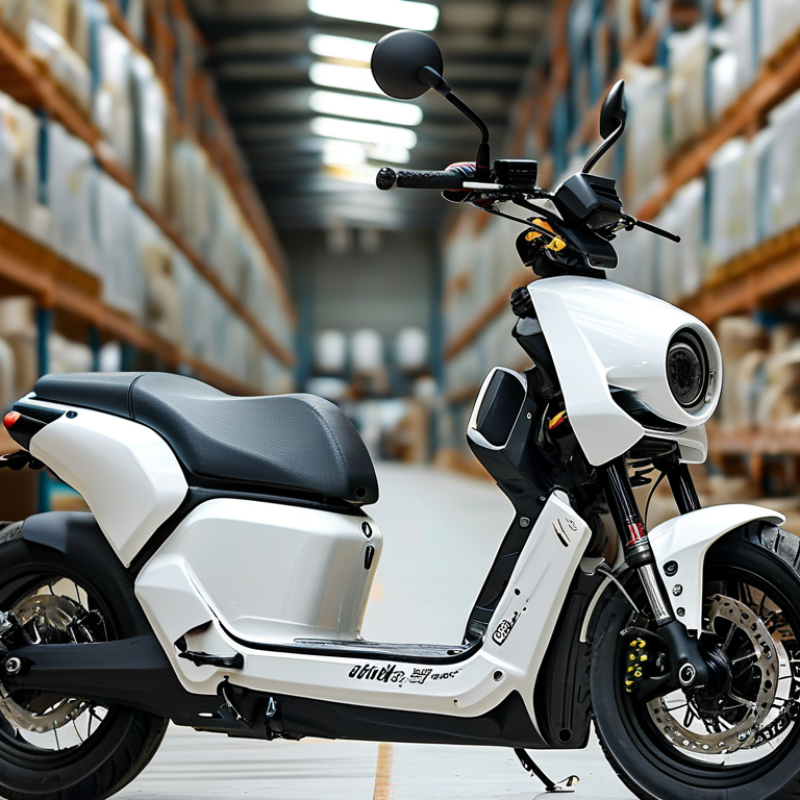
Top Electric Scooter Suppliers for Global Buyers
Electric Scooter Supplier Categories and Market Roles
Global buyers should separate suppliers by role, not by catalog size. OEM factories build standardized scooters at scale. ODM partners adapt frames, batteries, displays, and firmware for specific markets. Distributors provide local inventory, warranties, and replacement parts. Fleet integrators add charging, tracking, maintenance, and operational support. The category lines are not clean.
Market data supports this layered view. Grand View Research estimated the global electric scooter market at about USD 35 billion in 2023, with continued growth through 2030. The IEA’s Global EV Outlook 2024 also identifies electric two- and three-wheelers as a major part of worldwide electric mobility. These figures show demand, but they do not prove supplier reliability.
For procurement teams, each role needs different evidence. An OEM should provide factory audits, battery test records, quality-control procedures, and production samples. An ODM should explain design ownership, software updates, and minimum order quantities. A distributor should disclose warehouse locations, service response times, and spare-part coverage. Fleet suppliers must demonstrate uptime data under rain, heat, braking cycles, and heavy daily use.
I have found one uncomfortable weakness in many comparisons: published range figures often use ideal conditions. Real riders carry bags, climb slopes, and face cold weather. Buyers should request independent range testing, not polished spreadsheets. TÜV and UL safety reports can strengthen confidence, but report scope matters. A certificate for one battery model may not cover the complete scooter.
| Supplier Category | Primary Market Role | Typical Buyer | Common Product Profile | Typical Motor Output | Typical Battery Capacity | Typical Order Pattern | Key Selection Criteria |
|---|---|---|---|---|---|---|---|
| Mass-Market OEM Suppliers | Large-volume production for established retail and distribution channels | National distributors, retailers, and e-commerce operators | Foldable commuter scooters with basic displays, lights, electronic braking, and app-ready controllers | 250–500 W nominal | 300–600 Wh | Container-scale or repeated wholesale orders; private-label options may be available | Production capacity, quality consistency, landed cost, warranty support, and compliance documentation |
| Private-Label and ODM Suppliers | Product customization, branding, and specification development for overseas buyers | Importers, online brands, specialty retailers, and mobility start-ups | Configurable frames, colors, dashboards, packaging, firmware, and accessory bundles | 250–1,000 W nominal | 300–1,000 Wh | Sample approval followed by minimum-order production runs | Engineering capability, tooling requirements, minimum order quantity, intellectual-property controls, and change management |
| Performance and Long-Range Suppliers | Supply of higher-power scooters for demanding personal and recreational use | Specialty dealers, enthusiast retailers, and premium online sellers | Dual-motor or high-torque models with larger tires, suspension, hydraulic or enhanced braking systems | 800–3,000 W combined nominal | 800–2,000 Wh | Lower-volume orders with higher unit values and specialist after-sales requirements | Thermal management, battery safety, braking performance, spare-parts availability, and accurate performance claims |
| Fleet and Shared-Mobility Suppliers | Provide durable vehicles and operational systems for rental and shared fleets | Shared-mobility operators, municipalities, and transport contractors | Reinforced frames, swappable or serviceable batteries, GPS or cellular connectivity, and fleet-management integration | 300–1,000 W nominal | 400–1,200 Wh | Tender-based procurement, pilot fleets, and scheduled replacement programs | Total cost of ownership, uptime, vandal resistance, remote diagnostics, battery logistics, and service-level agreements |
| Urban Commuter Specialists | Focus on practical, portable, and regulation-friendly daily transportation | Urban retailers, commuter programs, employers, and direct-to-consumer sellers | Lightweight folding models with moderate speed, integrated lighting, mudguards, and practical range | 250–500 W nominal | 250–600 Wh | Mixed pallet, wholesale, or seasonal replenishment orders | Weight, folded dimensions, local speed limits, weather resistance, replacement parts, and user comfort |
| Off-Road and Utility Suppliers | Serve recreational, rural, industrial, and uneven-terrain applications | Outdoor dealers, farms, resorts, security teams, and industrial users | Wide pneumatic or tubeless tires, reinforced suspension, higher ground clearance, and weather-resistant components | 500–2,000 W combined nominal | 600–1,500 Wh | Specialist dealer orders, project purchases, and limited-volume imports | Load rating, corrosion protection, tire and suspension durability, serviceability, and terrain suitability |
| Component and Semi-Knocked-Down Suppliers | Supply motors, battery systems, controllers, frames, and assemblies for local integration | Vehicle assemblers, repair networks, mobility integrators, and regional manufacturers | Separate electrical and mechanical modules designed for assembly, replacement, or platform adaptation | 250–3,000 W nominal, depending on component set | 250–2,000 Wh, depending on battery configuration | Batch purchases with engineering samples and recurring component schedules | Electrical compatibility, connector standards, battery protection systems, documentation, and replacement continuity |
| Regional Distributors and Import Wholesalers | Bridge overseas manufacturers with local dealers, service centers, and regulatory markets | Independent retailers, repair shops, online marketplaces, and institutional buyers | Market-specific product portfolios selected for local laws, voltage requirements, and customer demand | 250–1,500 W nominal | 250–1,500 Wh | Stock-based purchasing, mixed models, and recurring replenishment | Local compliance, inventory depth, delivery speed, technical support, warranty handling, and spare-parts coverage |
Note: Specifications and order patterns are typical industry ranges for supplier comparison. Actual values vary by model, destination-market regulations, battery chemistry, configuration, and contract terms.
OEM factories produce standardized scooters in large quantities. ODM partners modify frames, batteries, displays, or software. Distributors hold local stock and spare parts. Fleet suppliers add charging, tracking, maintenance, and operational support. These roles can overlap.
Request factory audit records, battery test results, quality procedures, and production samples. Check incoming materials, worker training, final inspections, and serial-number tracking. A polished presentation proves little.
Compare suppliers across at least three regions. East and Southeast Asian areas offer dense component networks and export experience. South Asian production is expanding. Some European factories offer shorter regional delivery routes. Geography alone does not guarantee quality.
Inspect battery cells, frame welds, brakes, chargers, and waterproofing. Request a pilot order before full production. Test scooters on slopes, wet roads, and rough surfaces. Samples reveal more than catalogs.
Not always. They often reflect ideal conditions. Real riders carry bags, climb hills, and ride in cold weather. Request independent range tests using realistic loads. We once trusted spreadsheets too quickly.
Request complete test reports, certificate numbers, laboratory details, and validity dates. Confirm that reports match the exact production model. Also verify invoices, packing lists, warning labels, and battery transport documents. Missing revision dates deserve attention.
Each scooter should connect to its battery, controller, and inspection record. A small battery change can affect safety results and shipping documents. Keep production samples for later comparison. Traceability sounds boring, but it prevents confusion.
Specify packaging dimensions, spare-part coverage, warranty response times, inspection rights, and delivery documents. Define testing requirements before production begins. Confirm destination-market safety requirements in writing. We may still miss something. The contract should allow corrections.
Choosing the right electric scooter supplier is essential for global buyers seeking reliable quality, competitive pricing, and long-term cooperation. Suppliers may include manufacturers, wholesalers, trading companies, and specialized solution providers, each serving different purchasing needs. Buyers should assess production capacity, product consistency, customization options, communication efficiency, pricing transparency, and previous export experience. Key manufacturing regions can offer different advantages in technology, cost, lead times, and supply-chain flexibility, so regional strengths should be compared carefully.
Before placing an order, buyers should confirm applicable product standards, safety certifications, battery documentation, labeling requirements, and export compliance for the destination market. Clear agreements should also cover minimum order quantities, payment terms, inspection procedures, packaging, shipping methods, delivery schedules, spare parts, warranties, and after-sales support. Whether sourcing a compact Scooter Electric model for retail or a larger quantity for distribution, careful supplier verification and written specifications can reduce risks and support stable, compliant international business.

