Why Choose an Electric Scooter for Adults? For many commuters, the answer begins with a familiar problem: crowded buses, expensive parking, and short trips that feel unnecessarily slow. An Electric Scooter For Adults can cover these everyday distances with less effort and fewer parking concerns. Imagine leaving a train station, folding the scooter beside your desk, and avoiding a fifteen-minute walk in heavy rain. The convenience is real.
However, convenience should not replace careful judgment. A suitable model needs reliable brakes, stable tires, bright lights, and a comfortable handlebar height. Battery range also deserves honest attention. Cold weather, hills, rider weight, and frequent stops can reduce the advertised distance. A scooter claiming thirty miles may travel much less in ordinary city conditions. That difference matters.
Riding experience often reveals details that product pages overlook. A solid deck can feel reassuring on rough pavement, while hard tires may transmit every crack through your wrists. Some adults prefer suspension, but it can add weight and maintenance. There is no perfect design. Only a better match for your route.
Safety guidance from transport authorities commonly emphasizes protective equipment, visibility, and regular mechanical checks. Before riding, inspect tire pressure, brake response, folding mechanisms, and battery condition. Wear a properly fitted helmet. Use lights after sunset. Local rules can vary, so responsible riders should check them before commuting.
Electric scooters can support practical, cleaner urban travel, but they are not effortless solutions. Their value depends on fit, maintenance, weather, and rider habits. A thoughtful choice feels less exciting at first. It usually proves more dependable later.
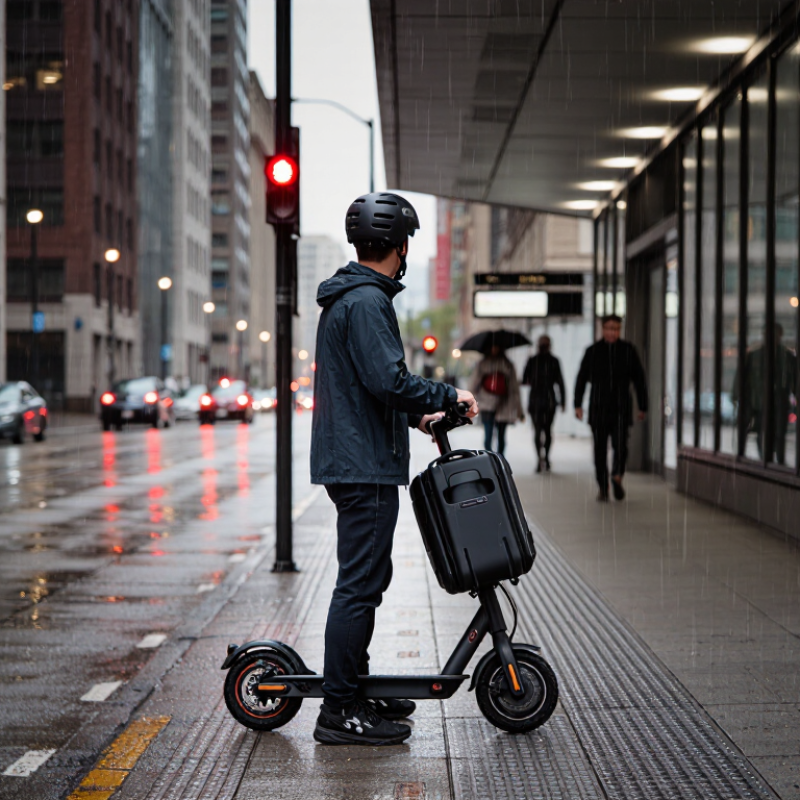
An electric scooter for adults is more than a larger frame. It should support an adult rider comfortably, safely, and consistently. A practical definition includes a suitable load rating, stable deck, responsive brakes, reliable lighting, and controls that remain clear in traffic. The frame should also tolerate repeated folding, curb crossings, and uneven pavement. These details matter more than an impressive top-speed figure.
Range is another defining feature. The U.S. Department of Energy reports that transportation accounts for about 29% of total U.S. greenhouse gas emissions. Replacing short car trips can therefore reduce energy use, although results depend on charging electricity and actual travel habits. Industry research adds useful context. NACTO recorded 157 million shared micromobility trips in the United States and Canada in 2023. That figure shows strong demand for compact urban travel, but shared-scooter data does not perfectly represent private adult use.
Adult-focused design also requires responsible engineering. Standards such as IEC 17128 address personal light electric vehicles, while electrical safety frameworks cover battery and charging systems. Buyers should check transparent specifications, testing evidence, warranty terms, and local riding rules. Marketing can make range look simple. It is not. Rider weight, hills, temperature, tire pressure, and frequent stops can reduce real-world distance. A scooter that feels powerful in a showroom may feel tiring after several kilometers. This is where many product descriptions need more honesty.
An adult electric scooter converts stored battery energy into controlled wheel movement. Lithium-ion cells send direct current to a motor controller. The controller regulates power according to throttle input, speed, and safety signals. A brushless hub motor then creates torque inside the wheel.
The battery management system monitors voltage, temperature, and charging limits. It helps prevent overheating and harmful over-discharge. According to the International Energy Agency’s Global EV Outlook 2024, lithium-ion battery pack prices fell by 14% in 2023. That trend supports lighter, more affordable electric mobility, although scooter batteries remain sensitive to cold weather and age. Real-world range can drop sharply when carrying heavier adults or climbing steep streets.
Braking usually combines mechanical friction with electronic braking. Some systems recover a small amount of energy, but regenerative braking cannot fully recharge the battery. Tires, suspension, and deck width also affect control more than many buyers expect. A careful test includes a firm start, a smooth stop, and a tight turn. Do not trust advertised range blindly. The U.S. Consumer Product Safety Commission estimated 19,700 emergency-department injuries linked to micromobility products in 2021. Charging with the supplied equipment, checking cables, and using certified electrical systems remain essential. The engineering is impressive, but daily maintenance is still easy to neglect.
An electric scooter can make short adult commutes simpler and less tiring. A typical eight-kilometre journey may avoid traffic queues, parking searches, and crowded buses. NACTO’s 2023 Shared Micromobility Report recorded 157 million shared micromobility trips in the United States. That figure shows growing demand for compact urban travel. Personal scooters also offer predictable costs. Charging at home is usually cheaper than repeated fuel or parking payments. The benefit feels practical.
Adults should check range, maximum load, braking quality, lighting, and local regulations before buying. A stable deck helps on uneven pavement. Larger pneumatic tyres can soften bumps, although they may require maintenance.
The International Transport Forum notes that micromobility can support public transport by solving first- and last-mile problems.
In real use, carrying a scooter upstairs can be awkward, and wet roads reduce confidence. I still find that planning a safe route matters more than chasing maximum speed. Wear a properly fitted helmet. Leave extra braking distance.
Why choose an electric scooter for adults? Safety, comfort, and legal awareness matter more than speed. A stable frame, responsive brakes, bright lights, and reflectors can reduce everyday risks. Still, safety equipment is not optional. A properly fitted helmet, visible clothing, and closed shoes provide practical protection. Test the brakes in a quiet area before riding near traffic.
Comfort affects control during longer trips. Choose handlebars that keep your shoulders relaxed and a deck large enough for steady foot placement. Pneumatic tires may soften rough pavement, while suspension can help on uneven streets. However, extra comfort does not fix poor posture or careless riding. I have found that short practice rides reveal problems quickly, especially wrist strain and awkward braking.
Tips: Check tire pressure before each ride. Keep both hands on the handlebars. Avoid wet surfaces when possible. Carry a small light for darker routes. Read local transport rules before using public paths, roads, or cycle lanes, because requirements differ by location. Some areas restrict speed, rider age, parking, or helmet use. Others require lights, insurance, registration, or specific equipment. Rules can change, and online advice may be outdated. Confirm details through official local transport authorities. Leave space around pedestrians. Slow down near driveways and crossings. Never assume a familiar route is legally permitted.
Safety, comfort, and legal considerations begin with understanding the speed limits that apply in different jurisdictions.
Chart: Maximum permitted speed for electric scooters in selected jurisdictions. Rules may differ by road type, vehicle classification, rider age, and local authority.
Lower speeds generally give riders more time to react. Use a properly fitted helmet, front and rear lights, reliable brakes, and reflective clothing when visibility is limited.
For adult riders, an adjustable handlebar, a stable deck, suitable load capacity, ergonomic controls, and pneumatic or suspension-supported tires can improve comfort on longer journeys.
Before riding, verify local rules for speed, helmets, minimum age, insurance, road access, parking, and whether private electric scooters are permitted on public roads.
Sources: Germany, France, California, New York City, United Kingdom rental trials.
Choosing an adult electric scooter starts with your daily route, not its advertised top speed. Measure the distance, hills, road surfaces, and storage space near your home or workplace. A lightweight model suits stairs and public transport, while larger tires may handle cracked pavement more comfortably. Test the riding position if possible. A narrow handlebar or short deck can feel tiring after several miles.
Battery range needs careful judgment. Published figures often assume light riders, smooth roads, and gentle speeds. Real range can fall with cold weather, hills, heavy loads, or frequent braking. Leave a useful buffer instead of planning every trip around the maximum claim. Charging time matters too.
I once focused too much on range and underestimated how awkward daily charging could become.
Look for responsive brakes, bright front and rear lights, reflectors, and a clear display. Dual braking systems can provide better control, but practice is still necessary. Check the maximum rider weight, folding mechanism, tire type, and water-resistance information. Water resistance is not permission to ride through deep puddles. Confirm local rules for speed limits, helmets, road access, and parking before buying.
A repairable scooter with available parts may be more valuable than a faster one. I would also inspect the warranty terms carefully; vague service coverage can become expensive later. Safety gear should fit well, because a loose helmet offers false confidence.
It needs a stable deck, suitable weight capacity, responsive brakes, clear controls, and reliable lighting. Size alone is not enough.
Treat the advertised range as an ideal estimate. Hills, cold weather, heavy loads, low tire pressure, and frequent stops reduce distance.
Measure hills, pavement quality, travel distance, stairs, and storage space. A lighter scooter helps with stairs and public transport.
Choose relaxed handlebars, a supportive deck, and tires suited to your streets. Pneumatic tires can soften cracked pavement.
Wear a properly fitted helmet, visible clothing, and closed shoes. Keep both hands on the handlebars. Safety gear cannot replace careful riding.
Test the brakes in a quiet area first. Check tire pressure, lights, reflectors, folding parts, and display controls before each ride.
No. Rules differ by location. Confirm speed limits, helmet requirements, road access, parking, registration, and lighting rules with local authorities.
No. Water resistance has limits. Avoid deep puddles and check the manufacturer’s guidance before riding in wet conditions.
A repairable scooter with available parts may serve you better than a faster one. I once underestimated daily charging inconvenience. That mistake matters.
Review rider capacity, brake design, charging time, tire type, folding mechanism, warranty coverage, and service availability. Vague support can become expensive.
An Electric Scooter For Adults is designed with a stronger frame, practical dimensions, reliable braking, and enough power to support everyday commuting and personal transportation. Unlike smaller recreational models, it typically offers improved stability, a comfortable standing area, adjustable controls, and a battery system suited to longer trips. Its electric motor converts stored battery energy into smooth movement, while the throttle, controller, and braking system work together to provide responsive and manageable performance.
Choosing an Electric Scooter For Adults can make short journeys more convenient, affordable, and environmentally friendly. Riders should consider range, charging time, motor power, weight, portability, tire type, suspension, lighting, and overall comfort before making a decision. Safety is equally important: wear suitable protective equipment, maintain a steady speed, check the brakes and tires regularly, and follow local transportation rules regarding riding areas, visibility, and equipment requirements. The right scooter should match the rider’s body size, daily route, experience level, and storage needs.

