Premium dual-seat, urban commuter, and heavy-duty electric scooters directly engineered from verified Chinese OEMs.
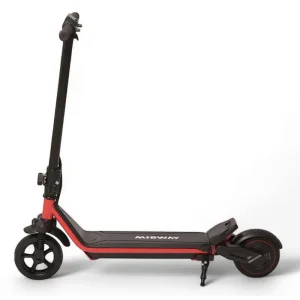
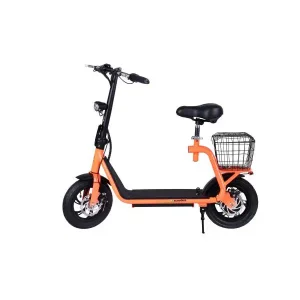
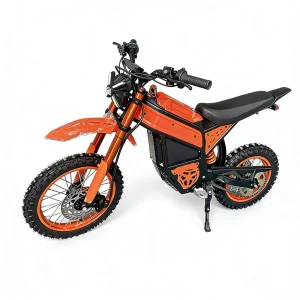
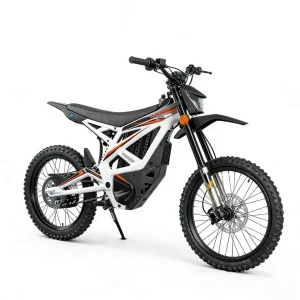
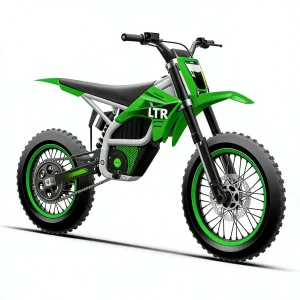
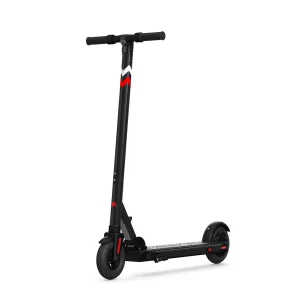
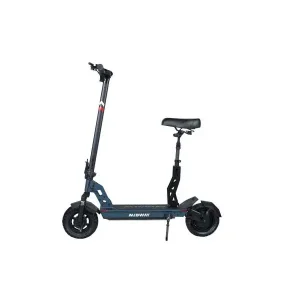
Analyzing global demand shifts toward multi-passenger urban transit, last-mile delivery economics, and regulatory frameworks driving the 2-seater electric scooter market.
The global micro-mobility market is undergoing a structural transformation. While single-rider electric kick scooters dominated the early wave of urban electrification, municipal authorities, commercial fleet operators, and logistics management companies are increasingly shifting capital toward 2 seater electric scooters. This shift is driven by basic economic and spatial logic: dual-passenger capability doubles utility per vehicle footprint, lowers per-passenger transport costs, and provides an ideal chassis for dual-use applications (passenger transport by day, cargo/last-mile delivery by night).
According to recent industry analytics, the dual-passenger lightweight electric vehicle market is projected to expand at a CAGR of 12.4% over the next decade. Key drivers include accelerating urban density across Southeast Asia, Europe, and Latin America, alongside heightened corporate commitments to decarbonize commercial fleets. Importers, brand distributors, and fleet managers sourcing from China electric scooter suppliers and factories gain access to an unparalleled combination of manufacturing agility, cost efficiency, and technological maturity.
Dual-seat geometry enables ride-sharing operators to offer tandem trips, doubling total addressable revenue while reducing fleet maintenance overhead by 35% compared to single-rider fleets.
Integrated rear seat convertibility allows quick attachment of heavy-duty insulated delivery boxes (up to 80L capacity), serving e-commerce and food delivery networks across high-density metros.
Modern Chinese manufacturers build frames engineered specifically to comply with EEC (L1e-B / L3e), CE, EN17128, and UL2272 guidelines, streamlining global market homologation.
Unpacking the structural, geographical, and technological cluster advantages of Zhejiang (Wuyi/Yongkang) OEM manufacturing ecosystems.
China accounts for over 85% of the world’s electric two-wheeler production, with localized industrial clusters in Zhejiang Province (such as the Wuyi and Yongkang hardware corridors) serving as the global epicenter. For B2B buyers seeking China 2 seater electric scooter suppliers, this geographic concentration yields profound advantages across component sourcing, engineering agility, and cost structure.
Unlike regional assemblers in other parts of the world, tier-1 Chinese factories operate fully integrated supply chains. Frame stamping, robotic welding, surface coating, brushless motor winding, lithium battery pack assembly (BMS configuration), and final quality assurance take place within a 30-mile radius. This industrial density eliminates logistics bottlenecks, guarantees component interoperability, and lowers total manufacturing cost by 25% to 40% compared to fragmented production lines.
An engineering-level examination of payload distribution, frame tensile strength, brushless hub motor efficiency, and smart BMS integration.
Engineering a dual-passenger electric scooter presents distinct mechanical challenges compared to single-rider platforms. Supporting two adult passengers (with a combined payload requirement ranging from 150 kg to 250 kg) demands elevated structural integrity, dynamic weight distribution, and enhanced thermal dissipation within the motor and controller.
Leading Chinese OEM factories utilize heavy-duty Q235 high-tensile cold-rolled steel tubing or lightweight T6-heat-treated 6061 aluminum alloys for 2-seater frames. Frame designs undergo Finite Element Analysis (FEA) to ensure stress distribution under heavy loads does not result in structural fatigue over 50,000 km of operational lifecycle. Key stress points—such as the steering column neck, dual rear shock mounts, and footrest subframes—are reinforced with robotic MIG welding.
A 2-seater electric scooter requires high low-end torque to navigate inclines of up to 20–25 degrees when fully loaded. Factories configure Field-Oriented Control (FOC) sine-wave controllers paired with high-efficiency BLDC hub motors (ranging from 500W to 5000W rated power). FOC controllers provide smooth phase-current transitions, eliminating jerky acceleration and improving motor energy efficiency by up to 92%.
| Specification Parameter | Standard Urban 2-Seater | Heavy-Duty Commercial / Delivery | High-Speed Dual-Seat Motorcycle |
|---|---|---|---|
| Rated Motor Power | 500W – 1200W BLDC Hub | 1500W – 3000W BLDC Hub / Mid-Drive | 3500W – 13.5KW Peak Motor |
| Battery Setup | 48V 12Ah – 20Ah Lithium | 60V 20Ah – 40Ah Dual Battery | 72V 40Ah – 60Ah High-Density LFP/NCM |
| Max Payload Capacity | 150 kg (330 lbs) | 200 kg (440 lbs) | 250 kg (550 lbs) |
| Max Speed Range | 25 km/h – 45 km/h | 45 km/h – 65 km/h | 75 km/h – 120 km/h |
| Braking System | Front Disc / Rear Drum + EBS | Dual Hydraulic Disc Brakes + CBS | Dual Front Floating Disc + Rear CBS/ABS |
| Suspension Architecture | Front Hydraulic Fork + Rear Dual Spring | Adjustable Dual Hydraulic Rear Shock | Inverted Front Fork + Rear Gas Shock |
Reliable Chinese suppliers offer two principal battery options tailored to commercial requirements: Lithium Iron Phosphate (LiFePO4) for maximum cycle life (over 2,000–3,000 charge cycles) and Nickel Manganese Cobalt (NCM) for higher energy density in compact dual-passenger chassis. Integrated Smart BMS units protect against over-charging, thermal runaway, short circuits, and cell imbalance, transmitting diagnostic telemetry via CAN-bus protocol.
How global distributors, municipalities, and private enterprises leverage dual-seat scooters across distinct market segments.
Hotels, island operators, and coastal rental hubs deploy 2-seater fat-tire Citycoco scooters to offer couples and families eco-friendly, stylish exploration transport with minimal noise pollution.
In suburban neighborhoods where public transport coverage is sparse, 2-seater scooters serve as ideal primary vehicles for parents transporting children to school or executing local errands cost-effectively.
Large manufacturing plants, airports, and university campuses utilize heavy-duty dual-seat scooters for security personnel, maintenance staff, and multi-worker rapid transit across corporate grounds.
In rapidly developing urban corridors, ride-hailing platforms deploy dual-seat electric fleets to provide low-cost, emission-free passenger taxi services across congested downtown areas.
Technological innovations set to define the next generation of dual-passenger electric micro-mobility production.
Essential checklist for global B2B procurement managers to mitigate supplier risks and ensure consistent quality.
Ensure the supplier possesses valid test reports (CE, RoHS, EN17128, ISO9001, EEC/COC, UN38.3 for lithium shipping). Request primary test house certificates from recognized bodies like SGS, TUV, or Intertek.
Verify whether the factory provides custom tooling, frame color matching, private-label branding, customized user manuals, and tailored controller programming (e.g., speed capping for regional laws).
Direct factory agreements should include 1–2% free wearing spare parts (brake pads, levers, tires, fuses) per container order, along with a structured 12-to-24 month warranty on core motors, frames, and battery packs.
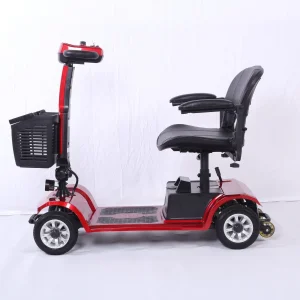
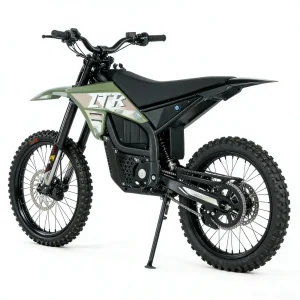
Explore additional factory-direct models, high-power motorcycles, mobility scooters, and specialized power systems.
Expert answers addressing MOQ, OEM/ODM processes, international shipping compliance, and warranty support.
