Explore our factory-direct, high-velocity electric mobility line engineered for commercial scalability, heavy-duty durability, and international certification compliance.
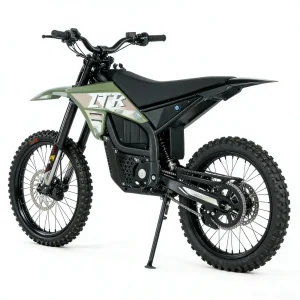
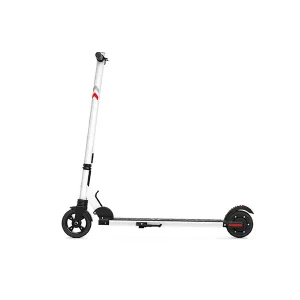
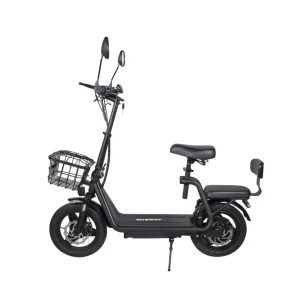
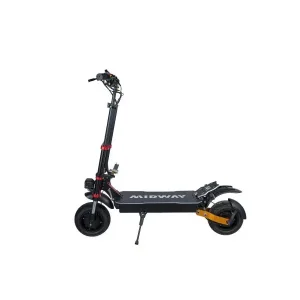
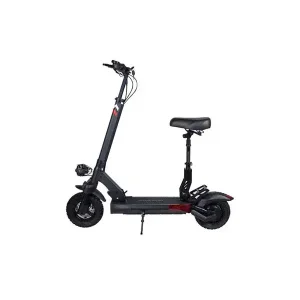
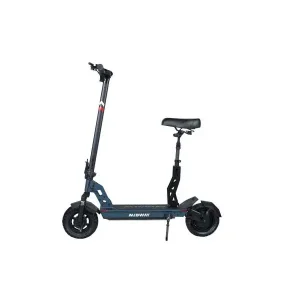
Understanding the transition from commuter kick-scooters to high-speed, road-grade light electric vehicles (LEVs) across global supply chains.
The global micro-mobility ecosystem is undergoing a structural transformation. While early iterations of e-scooters focused on low-speed (15–20 mph) last-mile urban transit, commercial buyers, logistics operators, and retail distributors now face burgeoning demand for medium-to-high velocity vehicles. The 35 Mph (approx. 56 km/h) threshold represents a critical engineering and regulatory milestone. At 35 Mph, an electric scooter transitions from a sidewalk micro-mobility device into a robust vehicle capable of merging with suburban traffic, navigating arterial roads, and serving as a viable alternative to light gas mopeds.
Sourcing from tier-1 China 35 Mph electric scooter suppliers and factories provides international OEMs, brand owners, and fleet managers with an unparalleled competitive advantage. China’s integrated battery-to-assembly industrial clusters—primarily anchored in Zhejiang and Jiangsu provinces—deliver state-of-the-art power electronics, precision CNC chassis engineering, and sophisticated Battery Management Systems (BMS) at scale. However, procuring high-speed scooters demands rigorous due diligence regarding structural thermal management, cell discharge C-ratings, hydraulic braking dynamics, and strict adherence to international safety frameworks such as UL 2272, EN 17128, and ISO 12100.
Procuring a 35 Mph electric scooter is not merely about specifying a higher watt motor. High velocity multiplies mechanical stresses by an exponent of four ($E_k = \frac{1}{2}mv^2$). Importers must audit suppliers for frame fatigue tolerances, Field Oriented Control (FOC) vector sine-wave efficiency, and dual-piston hydraulic disc braking integration to prevent catastrophic component failure in field operations.
A granular analysis of electrical architecture, motor topology, thermal dissipation, and structural dynamics required for high-speed sustained output.
Achieving a genuine 35 Mph top speed under real-world load conditions (100kg rider + incline) requires a minimum nominal power of 1200W to 3000W, often deployed via dual Brushless Direct Current (BLDC) hub motors or mid-drive assemblies. Leading Chinese factories utilize Field-Oriented Control (FOC) vector controllers with MOSFETs rated up to 100V. FOC controllers deliver smooth acceleration profiles, eliminate motor cogging, and maximize energy transformation efficiency up to 92%.
High velocity demands high discharge rates without thermal runaway. Premium suppliers implement 60V or 72V architecture utilizing Tier-1 Lithium NMC (Nickel Manganese Cobalt) or LiFePO4 cells (such as LG, Samsung, or CATL Grade-A cells). Smart Battery Management Systems (BMS) integrate active balancing, over-current protection, dual thermal sensors, and CAN-bus connectivity for telemetry reporting.
Stopping distance at 35 Mph is exponentially longer than at 15 Mph. Professional-grade 35 Mph scooters are standard-equipped with full hydraulic disc brakes featuring dual-piston or four-piston calipers, ceramic cooling pads, and 140mm-160mm rotor discs. Integrated Electronic Braking Systems (EBS) provide regenerative energy back-feed while preventing wheel lockup during emergency deceleration.
| Engineering Parameter | Standard Commuter Scooter | Commercial 35 Mph High-Speed Platform | Industrial Sourcing Standard |
|---|---|---|---|
| System Voltage | 36V - 48V Single Hub | 60V - 72V Dual Hub Architecture | Minimizes current draw (Amps) to reduce I²R heat loss |
| Continuous Motor Power | 250W - 500W | 1500W - 4000W Peak Output | Brushless hall-sensor or sensorless BLDC motor |
| Battery Pack C-Rating | 1C - 2C Continuous Discharge | 3C - 5C High-Drain Cells | Prevents voltage sag under high throttle demand |
| Braking Hardware | Mechanical Cable Disc Brakes | Full Hydraulic Brakes + Ceramic Rotor Pads | Sub-4 meter stopping distance from 35 Mph to 0 |
| Frame Material | Standard Aluminum 6061-T4 | Aviation Grade 6061-T6 Aluminum / Forged Alloy | Finite Element Analysis (FEA) vibration stress certified |
| Suspension System | Single Spring Front Damper | Dual Hydraulic Inverted Forks + Rear Oil Shock | Adjustable rebound damping for road surface tracking |
How B2B procurement managers can evaluate China suppliers to ensure structural integrity, consistent QA/QC, and supply chain security.
Navigating the manufacturing landscape in China requires separating specialized high-power electric vehicle factories from basic assembly operations. High-speed scooters operate under severe thermal and mechanical stresses; thus, factory evaluation protocols must extend beyond surface-level quotes. Importers must examine incoming quality control (IQC), in-process quality control (IPQC), and final quality control (FQC) methodologies.
Evaluate if the factory utilizes Robotic TIG/MIG welding for chassis frames. Demand Finite Element Analysis (FEA) reports and verify that the factory conducts dynamic load testing (minimum 100,000 vibration cycles under a 150kg load) to guarantee structural safety at 35 Mph.
Tier-1 China suppliers operate climate-controlled battery pack assembly rooms with automated nickel strip spot-welding and cell sorting equipment. Ensure every pack undergoes a 100% full charge/discharge burn-in test cycle with thermal imaging verification before casing.
High-speed road use exposes power electronics to rain, dust, and road spray. Audit the supplier's IPX5 (vehicle level) and IPX7 (battery enclosure level) testing chambers. Ensure wire harnesses utilize sealed automotive-grade waterproofing connectors.
Unlocking new operational efficiencies across commercial delivery fleets, suburban transit, industrial complexes, and security operations.
For food delivery operators (e.g., UberEats, DoorDash drivers) and courier fleets, standard 15 Mph scooters are too slow for suburban road networks. A 35 Mph platform enables couriers to safely flow with city traffic, shortening order cycle times by up to 35% and increasing daily order fulfillment volume.
In regions where urban sprawl renders low-speed kick scooters impractical (e.g., North American, Middle Eastern, and Latin American suburbs), 35 Mph electric scooters bridge the gap between expensive electric cars and slow personal mobility devices, drastically cutting daily commute times.
Large manufacturing plants, airports, agricultural domains, and seaport facilities require rapid-response vehicles for security personnel. Heavy-duty 35 Mph scooters equipped with rugged dual-sport tires allow patrol officers to cover wide square mileage quickly and quietly.
Navigating complex international certification standards to ensure friction-free customs clearance and legal market entry.
Importing high-speed electric scooters involves strict regulatory oversight by market surveillance authorities worldwide. Because a 35 Mph vehicle straddles personal mobility and light motorized vehicle categories, importers must ensure their China manufacturing partner provides full compliance documentation for target jurisdictions:
Strategic insights into emerging technological trends shaping China's electric vehicle manufacturing sector through 2030.
Next-generation 35 Mph platforms are transitioning from traditional NMC liquid electrolyte cells to semi-solid state battery packs. This shift increases volumetric energy density by 30%, enabling longer ranges without adding vehicle frame weight, while virtually eliminating thermal runaway risks under high C-rate discharge.
Integration of IoT modules with cloud-connected AI diagnostic algorithms allows real-time monitoring of cell impedance, thermal elevation, and controller MOSFET health. Fleet managers can predict battery degradation and schedule preventive maintenance before field breakdowns occur.
To maximize power-to-weight ratios and extend range at 35 Mph, tier-1 Chinese factories are pioneering die-cast magnesium alloy unibody decks and carbon-fiber steering columns, delivering superior structural rigidity while reducing overall chassis weight by up to 25%.
Direct answers to critical operational, technical, and procurement questions regarding 35 Mph electric scooter sourcing.
Review our complete product matrix spanning high-power electric motorcycles, senior mobility vehicles, and heavy-duty citycoco platforms.