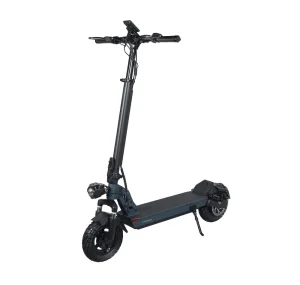
Factory-direct flagship supply portfolio engineered for commercial viability, high torque capacity, and global regulatory compliance.
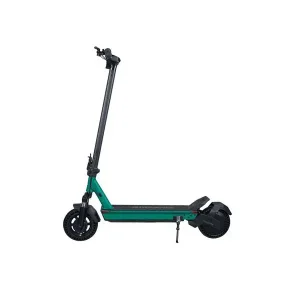
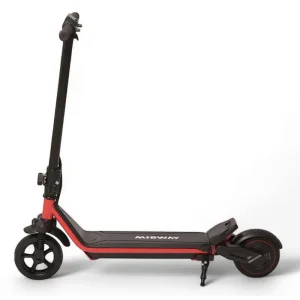
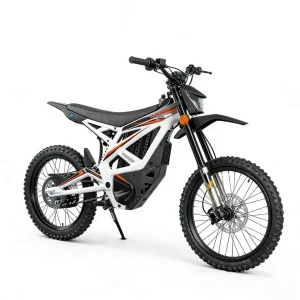
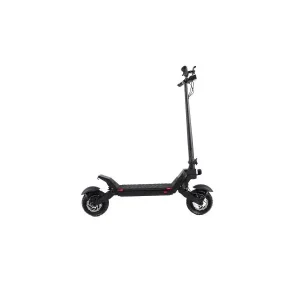
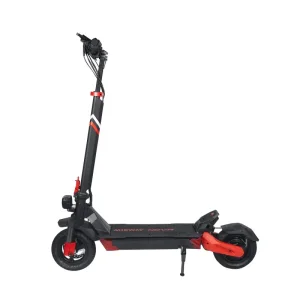
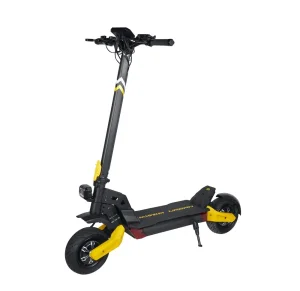
Analyzing global market trajectory, manufacturing cluster advantages in Zhejiang, and how semantic buyer intent drives procurement efficiency.
The global light electric vehicle (LEV) market is undergoing a seismic paradigm shift. Driven by urban decarbonization mandates, rising fuel costs, and the rapid proliferation of last-mile commercial fleets, China Citycoco electric scooters have evolved from niche leisure rides into indispensable urban transport units and commercial fleet workhorses. Characterized by wide-tyre stability, high frame load-bearing capacities (up to 200 kg), and modular battery architecture, Citycoco scooters represent a unique segment within the personal mobility and commercial leasing sectors.
As global buyers evaluate procurement partners, navigating the ecosystem of China Citycoco electric scooters suppliers and factories requires more than evaluating FOB quotes. It demands a rigorous examination of engineering practices, component sourcing (such as high-discharge BMS systems and brushless DC hub motors), homologation certifications (EEC, COC, CE, UL2272), and post-procurement supply chain resilience.
The Wuyi hardware industrial cluster in Zhejiang province represents the pinnacle of electric scooter manufacturing integration. Factories like WuYi YueMa Leisure Articles Co., Ltd. leverage over 20 years of metal fabrication, automated robotic frame welding, and localized battery packaging expertise to yield a 15–20% cost efficiency over non-clustered competitors, combined with accelerated OEM lead times.
Deconstructing commercial buyer archetypes, key decision drivers, and risk mitigation strategies across international procurement networks.
Focus heavily on total cost of ownership (TCO), volume tiered discount schedules, custom branding (OEM/ODM), and component standardization. They require verified factory audits, stable lead times, and comprehensive spare parts supply agreements (3-5% wear-and-tear buffer allowance).
Prioritize structural durability, IoT compatibility (GPS tracking, remote geo-fencing, cellular CAN-BUS integration), IP67 waterproof standards for electrical lines, and quick-swap dual lithium battery setups to maximize fleet uptime.
Require absolute regulatory compliance to avoid customs seizures. Primary demands include EN17128, CE, RoHS, UL2272 (North America), and EEC/COC certificates (European L1e/L3e road legality) alongside localized user documentation.
A granular breakdown of chassis metallurgy, motor torque curves, battery chemistry, and controller engineering.
Substandard Citycoco scooters often suffer from frame fatigue due to thin-walled cold-rolled steel tubing. Premium Chinese manufacturers utilize seamless carbon steel (Q235/Q345 grade) or high-strength aviation-grade aluminum alloys with tube thicknesses ranging from 2.5mm to 3.2mm.
Energy density and safety are non-negotiable. Modern Citycoco factories offer configured lithium-ion battery packs leveraging Grade-A 18650 or 21700 ternary NMC cells, as well as ultra-durable Lithium Iron Phosphate (LiFePO4) options.
| Specification Parameter | Entry-Level Commuter (e.g., 600W-1000W) | High-Torque Heavy Duty (e.g., 1500W-3000W) | Extreme Performance / Motorcycle Class |
|---|---|---|---|
| Motor Power (Continuous) | 600W - 1000W Brushless Hub | 1500W - 3000W Brushless Hub | 5KW - 13.5KW Peak Mid-Drive / Dual Hub |
| Battery Voltage & Capacity | 48V 10Ah - 15Ah Lithium | 60V 20Ah - 40Ah Dual Lithium | 72V 40Ah - 80Ah High-C Rate Lithium |
| Max Speed Range | 25 km/h - 45 km/h | 45 km/h - 65 km/h | 80 km/h - 120 km/h |
| Estimated Range per Charge | 35 km - 55 km | 60 km - 120 km (Dual Pack) | 100 km - 180 km |
| Braking Architecture | Front & Rear Hydraulic Disc | CBS Hydraulic Twin-Piston Disc | ABS / Combined Hydraulic Quad-Piston |
| Tyre Dimensions | 8.5 inch / 10 inch Pneumatic | 18x9.5-8 inch Ultra-Wide Tubeless | 12 inch / 14 inch All-Terrain Radial |
Deploying Citycoco electric scooters across diverse global sectors to maximize fleet operational efficiency.
Wide fat tyres provide effortless stability over beach sand, cobblestones, and resort trails. Low maintenance demands and simple operation make them ideal for tourist rental operations in Southern Europe, the Caribbean, and Southeast Asia.
Equipped with heavy-duty rear cargo racks, front baskets, and 60V 30Ah swap-ready batteries, Citycoco scooters serve as eco-friendly, agile delivery vehicles for urban courier services navigating traffic-congested metro zones.
Large factory complexes, airports, and seaports deploy fleet-managed Citycoco units to facilitate rapid indoor/outdoor maintenance staff movement with zero local emissions and minimal noise pollution.
Navigating international import standards to guarantee hassle-free customs clearance and road-legal registration.
To sell electric scooters legally for public road use in Europe, vehicles must be homologated under EU Regulation 168/2013.
The US and Canadian markets enforce strict fire safety and road equipment regulations for imported electric micro-mobility devices.
Step-by-step evaluation framework to separate true original equipment manufacturers (OEM) from trading intermediaries.
Genuine manufacturers possess automated robotic welding cells and powder-coating lines. Intermediaries buy pre-assembled frames, leading to inconsistent quality and higher cost structures.
Inquire if the supplier performs 100% end-of-line dyno testing for motor torque output, hill climbing angle validation, line voltage drops, and IPX5/IPX7 water spray ingress testing.
Heavyweight Citycoco scooters demand heavy-duty iron-frame skeleton crates encased in 7-ply corrugated cartons to eliminate transit vibration damage during ocean freight.
Anticipating the next decade of innovation in micro-mobility powertrain efficiency, smart connectivity, and sustainability.
Future Citycoco platforms will integrate native 5G/LTE IoT modules, enabling real-time remote diagnostics, OTA firmware upgrades, anti-theft geofencing, and automated fleet management analytics for commercial clients.
As lithium prices fluctuate, Chinese factories are actively testing Sodium-ion (Na-ion) battery packs for budget micro-mobility units, offering superior sub-zero temperature operation and reduced thermal risks.
Field-Oriented Control (FOC) sine-wave vector controllers will utilize machine learning algorithms to adapt motor torque dynamically to terrain gradients, extending real-world battery range by up to 15%.
Direct answers to common technical, logistics, and OEM questions from international buyers.
For standard factory models with custom logo decals, standard MOQ typically starts at 20 to 50 units (20GP container load). For custom frame colors, tailored battery specifications, or unique controller tuning, OEM MOQ is usually 100 units.
Sample production takes 7 to 15 days. Mass production for a 40HQ container (approx. 80-120 units depending on disassembly degree) requires 25 to 30 days. Ocean shipping ranges from 15 days (to US West Coast or Southeast Asia) to 30-40 days (to Europe and LATAM).
Yes, provided they are ordered with proper homologation packages. For Europe, specify EEC/COC certified 45 km/h models equipped with approved lights, mirrors, VIN plates, and speed limiters. For the US, models must conform to local e-bike or moped regulations.
Lithium battery packs should be stored between 20% and 80% charge level if inactive for extended periods. Avoid complete discharge cycles below 10%, store in temperatures between 10°C and 30°C, and use only manufacturer-approved smart chargers with built-in auto-shutoff features.
We recommend purchasing a 3% to 5% spare parts buffer package with every bulk container order. Essential high-wear spare parts include brake pads, hydraulic lines, inner tubes/tubeless tyres, throttle assemblies, key switches, display panels, and spare chargers.
Explore full component integration, senior mobility options, and off-road heavy duty factory models.