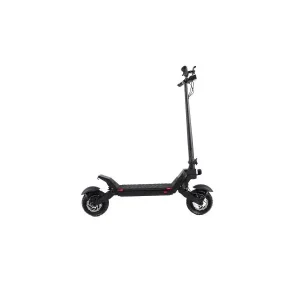
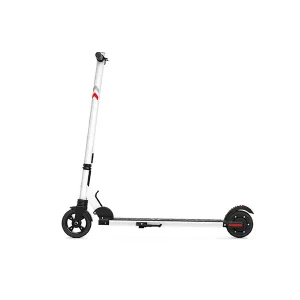
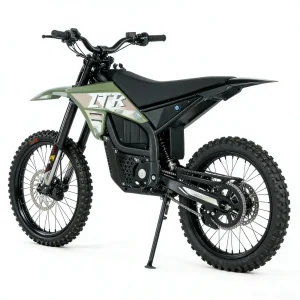
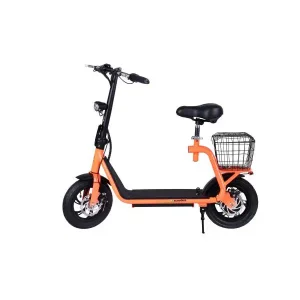
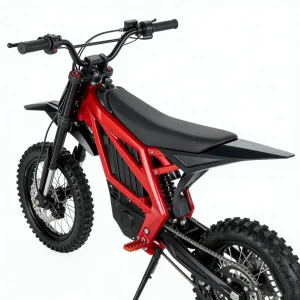
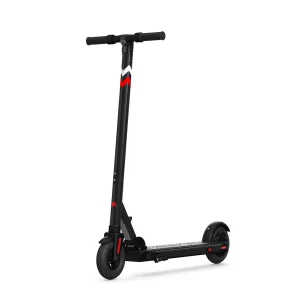
Direct factory export configurations engineered for commercial deployment, retail distribution, and specialized mobility solutions.
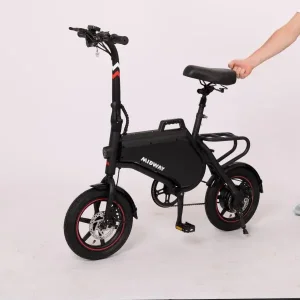
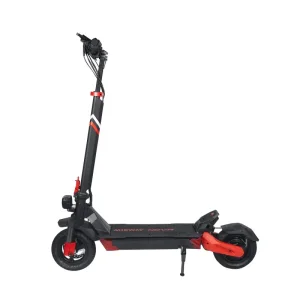
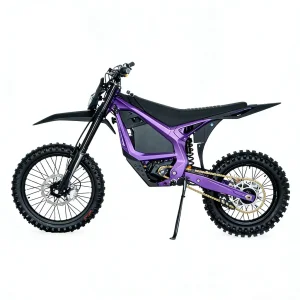
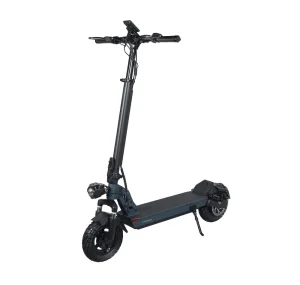
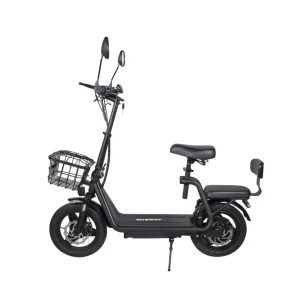
Understanding Search Intent, Industry Economics, and Sourcing Dynamics for China-Based Citycoco & Mobility Scooter Factories.
The global light electric vehicle (LEV) market, encompassing fat-tire Citycoco scooters, medical mobility aids, and urban commute e-scooters, is projecting a compound annual growth rate (CAGR) exceeding 8.4% through 2030. Driven by municipal zero-emission mandates, expanding last-mile logistics networks, and an aging demographic requiring reliable personal transport, global buyers are seeking direct manufacturer partnerships to secure competitive unit economics.
China remains the undisputed epicenter of LEV manufacturing, accounting for over 85% of global output. Sourcing directly from certified original equipment manufacturers (OEMs) and original design manufacturers (ODMs) in industrial hubs such as Wuyi and Yongkang, Zhejiang, provides importers with unmatched economies of scale.
High-intent B2B procurement queries—such as "China Citycoco Mobility Scooter Suppliers & Factories"—demand more than surface-level product catalogs. Global buyers, fleet operators, and regional brand owners require deep technical transparency regarding:
Value Insight for Procurement Officers: Sourcing directly from tier-1 Chinese factories mitigates multi-layer trading markups, reducing unit acquisition costs by 25% to 40%. Furthermore, integrated ODM factories allow custom firmware flashing (speed/power limits per local laws) and white-label branding at zero tooling cost for qualified volume orders.
Inside Wuyi’s Hardware Ecosystem: How Advanced Automated Manufacturing Guarantees Quality and Lead-Time Stability.
Located in Zhejiang’s hardware manufacturing corridor, our production ecosystem benefits from immediate proximity to raw steel tube extruders, brushless motor stator winders, and specialized aluminum die-casting foundries. Component lead times are minimized, eliminating supply chain bottlenecks.
Frame integrity is the foundation of vehicle safety. Utilizing multi-axis robotic MIG/TIG welding cells, frame joint consistency achieves sub-millimeter precision. Every frame undergoes dynamic fatigue testing under 200kg payloads exceeding 100,000 cycles.
Prior to crating, 100% of vehicles undergo EOL automated dyno testing. We record peak wattage, brake stopping distance (wet and dry), controller thermal dissipation under load, and BMS voltage balancing data to ensure zero defect rates upon delivery.
Next-Gen Powertrains, Smart Telematics, and Energy Density Innovations in Citycoco & Mobility Vehicles.
Traditional sine-wave controllers are being replaced by advanced FOC vector controllers. FOC algorithms analyze rotor position in real-time, delivering up to 92% motor efficiency, whisper-quiet operation, and silky smooth acceleration curves. For high-torque Citycoco models (ranging from 1500W to 3000W output), dual-hub drive configurations provide instant gradeability up to 30 degrees while minimizing heat buildup in the stator winding.
The industry is transitioning rapidly from lead-acid legacy cells to ternary lithium (NMC) and Lithium Iron Phosphate (LiFePO4) packs with smart CAN-BUS interfaces. Modern Citycoco units utilize removable 60V 20Ah / 30Ah floorboard-integrated battery modules. Smart BMS units monitor cell temperature, overcurrent, overcharge, and cell balancing, offering over 1,200 full charge cycles while communicating diagnostic data to user dashboards.
Smart mobility requires software integration. Modern factory platforms incorporate 4G/GPS IoT modules. Fleet operators can monitor real-time vehicle coordinates, battery state-of-charge (SoC), remotely disable units for theft prevention, and push Over-The-Air (OTA) firmware updates directly to the motor controller.
Citycoco models are celebrated for their wide-profile tubeless tires (e.g., 18x9.5-8 inch or 225/55-8). The low center of gravity combined with front hydraulic invert forks and rear gas-charged twin shock absorbers minimizes road vibration, offering unparalleled operational stability across asphalt, gravel, and cobblestone environments.
Tailored Vehicle Architecture for Diverse Global Sector Requirements.
| Sector Application | Recommended Model Class | Powertrain Spec | Battery Config | Key OEM Features Needed |
|---|---|---|---|---|
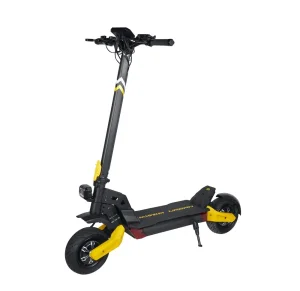
| Urban Commute & Rental Fleets | Citycoco EC-01 / Stand-Up E-Scooter | 500W - 1000W Hub Motor | 48V/60V 20Ah Lithium | IoT Module, Geofencing, Heavy-Duty Kickstand, Anti-Theft Lock |
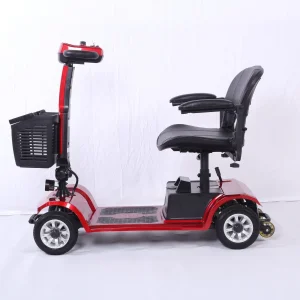
| Senior & Assisted Mobility | 3-Wheel / 4-Wheel Mobility Scooter | 250W - 600W Differential Motor | 24V/48V 10Ah - 20Ah Pack | Electromagnetic Automatic Brake, Swivel Chair, Speed Regulator |
| Resort & Tourist Campus Transport | Wide-Tire 2-Seater Citycoco | 1500W - 3000W High Torque | 60V 30Ah Dual Removable Pack | Passenger Backrest, Saddle Bags, Hydraulic Disc Brakes, LED Lightbar |
| Commercial Cargo & Delivery | Heavy-Duty Utility Scooter | 1000W - 2000W Brushless Motor | 60V 40Ah Heavy Duty Pack | Front & Rear Steel Baskets, Insulated Delivery Box Mounts, Reinforced Axles |
Aging demographics in Western Europe, Japan, and North America have surged demand for highly reliable, ergonomic mobility scooters. Chinese suppliers are pioneering lightweight, foldable aluminum models (e.g., 250W 24V 8-inch series) that fit into vehicle trunks while maintaining strict medical-device safety margins.
Key features include intelligent electromagnetic braking (automatic stop upon throttle release), delta tiller steering, and puncture-proof solid rubber tires to guarantee user security.
The iconic Citycoco form factor—characterized by ultra-wide fat tires and minimalist chopper-style handlebars—has morphed from a niche cruiser into a mainstream urban commuter. Designed to bridge the gap between kick-scooters and full-sized electric motorcycles, these vehicles offer street compliance, high comfort, and minimal maintenance overhead.
Navigating International Regulatory Frameworks: EEC, COC, UL, CE, EN17128, and UN38.3 Verification.
Importing light electric vehicles into regulated markets requires strict adherence to regional safety standards. Non-compliant shipments risk customs seizure, heavy fines, or recall liability. Leading Chinese factories act as compliance partners, offering full documentation packets:
For road-legal registration in Europe, Citycoco models require EEC/COC (Certificate of Conformity) under L1e-B or L3e vehicle categories (25 km/h or 45 km/h limiters). Personal e-scooters must satisfy EN 17128:2020 safety testing, CE Machinery Directive 2006/42/EC, and RoHS environmental standard compliance.
The US Consumer Product Safety Commission (CPSC) heavily enforces UL 2272 certification covering electrical drive train systems and battery safety. High-power electric motorcycles require US DOT registration, VIN assignment, and EPA/CBR environmental clearance for highway operation.
All lithium batteries must carry UN38.3 transport certification, MSDS documentation, and proven drop-test certification. Reliable factories provide sea freight container loading protocols that prevent physical damage during transpacific or Asia-Europe shipping routes.
Maximizing Profitability: OEM Matrix, Packaging Efficiency (SKD vs CKD), and Warranty Frameworks.
Shipping logistics account for up to 15% of land cost. China exporters utilize two main packaging methods:
Tier-1 factories offer a 1% to 2% complimentary spare parts kit with full container load (FCL) orders. Key replacement components include controllers, throttle assemblies, brake pads, LED indicators, and BMS boards. Establishing a local spare parts reserve protects distributor reputation and guarantees immediate customer service support.
Expert Answers to Critical Sourcing, Technical, and Licensing Questions.
Explore high-torque powertrains, brushless hub motor scooters, and off-road electric motorcycles.