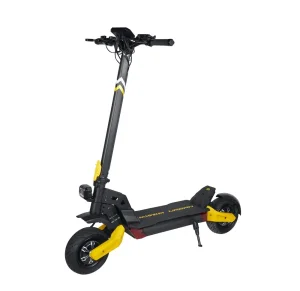
Direct-from-factory electric mobility vehicles, heavy-duty Citycoco scooters, and folding utility trikes manufactured under ISO9001 and CE compliance standards.
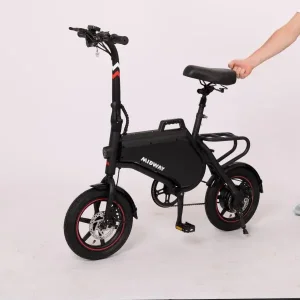
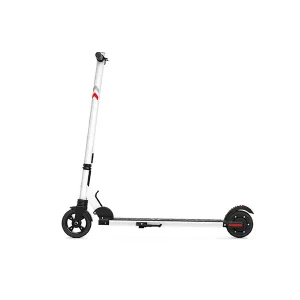
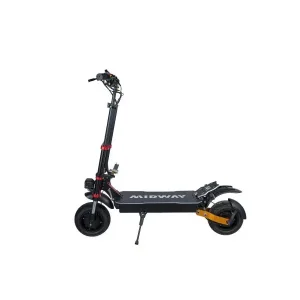
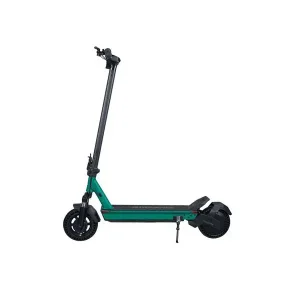
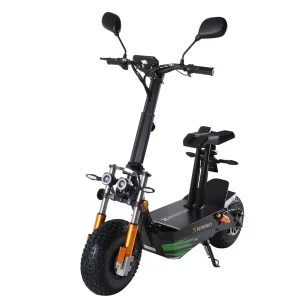
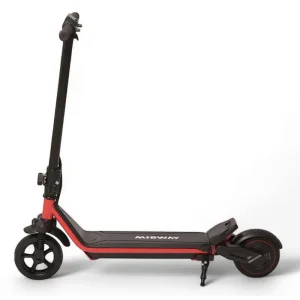
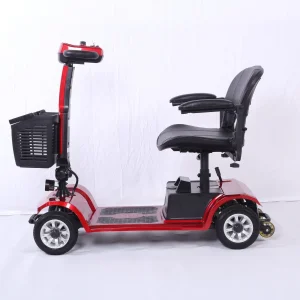
Analyzing the strategic transition from traditional two-wheel personal mobility to heavy-duty, high-stability 3-wheel electric transport across commercial fleets, municipal logistics, and senior mobility markets.
The global shift toward zero-emission urban delivery has propelled the Citycoco trike (3-wheel electric scooter) into the spotlight of last-mile logistics. Unlike traditional two-wheel electric kick scooters or standard mopeds, three-wheeled Citycoco configurations offer an optimal balance of low center of gravity, enhanced lateral stability, and structural weight distribution. Commercial operators in North America, Western Europe, and urban centers across Asia are increasingly replacing gas-powered utility carts with high-torque 3000W–5000W Citycoco trikes equipped with rear cargo boxes or flatbed trailer attachments.
Key economic drivers include a 68% reduction in Total Cost of Ownership (TCO) over a 3-year lifecycle compared to internal combustion light utility vehicles (LUVs), elimination of fuel surcharges, zero direct tailpipe emissions for indoor/warehouse operation, and minimal routine maintenance due to direct-drive brushless hub motors.
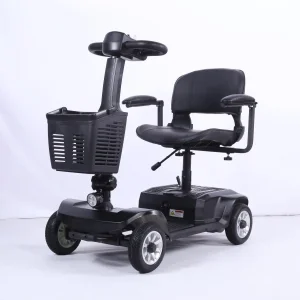
Demographic shifts in Europe, Japan, and North America have triggered unprecedented demand for safe, comfortable, and stylish senior mobility vehicles. Standard mobility scooters often lack modern aesthetics, speed, and slope-climbing power required for hilly suburban environments. Modern 3-wheel Citycoco trikes bridge the gap between traditional medical mobility devices and high-performance personal electric vehicles (PEVs).
Configured with wide fat tires (18x9.5-8 inch or larger), hydraulic disc brakes, differential rear axles, and ergonomic captain seats, Citycoco trikes engineered by China factories provide unmatched safety for elderly users. Commercial buyers sourcing from Chinese suppliers prioritize models compliant with EN17128 and EEC L5e categories to ensure road-legal status for senior riders across municipal jurisdictions.
Deep dive into motor topology, battery thermal dynamics, chassis metallurgy, and differential rear-axle mechanics that define industrial-grade Citycoco trike manufacturing.
Modern Citycoco trikes designed by leading Chinese manufacturers utilize vector-controlled (FOC) brushless DC motors ranging from 1500W to 5000W ratings. Operating on 60V or 72V architecture, these motors deliver up to 145 Nm of instant peak torque. Hall-sensor feedback loops coupled with sine-wave controllers optimize electrical efficiency up to 92%, mitigating motor overheating under steep 25° hill-climb conditions with maximum payload loads.
Addressing range anxiety for commercial logistics, China factories integrate dual floorboard and under-seat battery bays. Powered by high-energy-density ternary Li-ion (NMC) or automotive-grade LiFePO4 cells (18650 / 21700 / 32700 formats), configurations up to 60V 30Ah or 72V 40Ah x 2 provide dual-battery hot-swapping capability, enabling continuous 24/7 commercial operation without extended downtime.
Three-wheel safety hinges on proper cornering mechanics. Tier-1 China Citycoco suppliers incorporate mechanical differential gearboxes into the rear axle. When negotiating sharp curves, the differential allows the outer wheel to rotate faster than the inner wheel, preventing rollover risks, tire scrubbing, and structural frame fatigue under heavy cargo loads up to 300 kilograms.
| Engineering Parameter | Standard Consumer Electric Trike | Industrial OEM Commercial Citycoco Trike | B2B Fleet Impact Advantage |
|---|---|---|---|
| Motor Architecture | 800W - 1200W Square-Wave BLDC | 3000W - 5000W FOC Sine-Wave Hub Motor | +40% Torque output, quieter operation, high thermal resistance |
| Frame Metallurgy | 1.5mm Mild Steel Tube Frame | 2.75mm High-Tensile Carbon Steel + Electrophoresis | Anti-corrosion, load rating increased from 150kg to 300kg |
| Braking System | Front Drum / Rear Single Disc | Triple Hydraulic Disc Brakes + CBS / E-ABS | Braking distance reduced by 35% under full load at 45 km/h |
| Battery Chemistry & BMS | Lead-Acid or Basic 48V Li-ion | Smart CAN-Bus BMS with LiFePO4 / NMC (UN38.3) | 2000+ Charge cycles, remote telemetry monitoring capability |
| Suspension System | Basic Spring Shocks | Dual Hydraulic Inverted Front Fork + Rear Air Shocks | Superior dampening for sensitive payload and senior comfort |
Why Zhejiang and Jiangsu manufacturing hubs lead global electric vehicle production, and how B2B buyers execute seamless factory audits and custom product development.
Importers collaborate with factory R&D teams to define motor wattage (1000W-5000W), battery voltage, tire profile (wide fat tire vs narrow street tire), body color palette, private-label branding, customized LCD displays, and rear cargo configuration (box, passenger seat, or golf bag holder).
Prior to mass production, OEM factories build functional prototypes subjected to 100,000-cycle frame vibration tests, salt-spray anti-corrosion testing, IP67 water ingress chamber tests for motor/controller seals, and maximum weight payload gradient road tests.
Industrial China factories enforce stringent quality assurance: Incoming Quality Control (IQC) for cells and metal tubing, In-Process QC (IPQC) during automated robotic frame welding, 100% End-of-Line electrical testing, and Outgoing Quality Control (OQC) for export drop packaging.
Navigating international road licensing, battery hazard logistics, and safety standards for seamless customs clearance across key target markets.
To legally register and license a 3-wheel Citycoco trike in EU member states, vehicles must comply with EU Regulation No. 168/2013 under Category L5e (motorized tricycles). Factory suppliers must provide valid Certificate of Conformity (COC) papers, e-Mark certified headlamps, mirrors, side reflectors, dual-circuit braking systems, and speed limiters defaulted to 25 km/h or 45 km/h based on regional classification.
Additionally, electrical systems must meet EN17128 micro-mobility standard, CE-EMC (Electromagnetic Compatibility), and CE-MD (Machinery Directive) regulations.
In the United States and Canada, electric trikes intended for public roads fall under NHTSA / DOT Low-Speed Vehicle (LSV) or e-mobility guidelines. Electrical and battery pack safety requires compliance with UL2272 (electrical systems for personal e-mobility) and UL2271 (lithium battery packs).
For international maritime freight, Chinese factories supply UN38.3 test reports, Material Safety Data Sheets (MSDS), and Dangerous Goods (DG Class 9) packaging certificates required by ocean carriers for safe container shipping.
Expert answers addressing critical questions asked by global B2B buyers, fleet managers, and importers sourcing Citycoco trikes from Chinese factories.
Experienced Chinese OEM factories work directly with European accredited testing bodies (such as TÜV, SGS, or Luxcontrol) to obtain Type Approval certification under Category L5e. When you place a bulk order for EEC-certified Citycoco trikes, the factory provides a unique Certificate of Conformity (COC) paper associated with each vehicle's Vehicle Identification Number (VIN/WMI stamp). This document allows your end-customers or dealers to register the vehicle for license plates and insurance across all EU member states seamlessly.
A single rear hub motor configuration powers only one rear wheel or uses dual hub motors without speed variation, which can cause tire drag and tipping hazards during tight turns. Conversely, an industrial differential rear axle configuration utilizes a centrally mounted brushless motor connected to a mechanical differential gearbox. This differential allows the left and right rear wheels to rotate at different speeds during turns, ensuring maximum traction, smooth cornering, reduced tire wear, and significantly enhanced roll stability—critical for commercial cargo transport and senior mobility safety.
Yes, tier-1 Chinese factories specialize in OEM/ODM structural modifications. For commercial last-mile delivery, frames can be extended and fitted with insulated food delivery boxes, lockable aluminum cargo trunks (up to 300L capacity), or open pickup-style flatbeds. For passenger transport or resort rentals, factories offer extended dual seats with backrests, armrests, or two-row seating arrangements. Custom mounting brackets, reinforced rear shock absorbers, and heavy-duty tires are adjusted according to payload specifications.
To comply with international maritime dangerous goods (IMDG) regulations, Chinese suppliers provide a comprehensive lithium battery documentation package. This includes UN38.3 test reports (covering thermal, vibration, shock, external short circuit, and overcharge tests), MSDS (Material Safety Data Sheet), Drop Test 1.2 Meter Certification, and Dangerous Goods (DG) Packaging Certificates. This ensures smooth clearance at destination ports without risk of container detention.
Standard factory MOQ for custom OEM orders typically ranges from 10 to 20 units (or 1x20GP container holding approximately 24 to 30 assembled trikes depending on SKD/CKD packaging). Sample orders for quality evaluation can often be fulfilled within 7 to 10 days. Mass production lead time for full container loads (20GP/40HQ) generally ranges between 20 and 30 calendar days from receipt of deposit and technical sign-off.
Established Chinese manufacturers provide structured B2B warranty programs, typically offering 12 to 24 months coverage on main components (frame, BLDC motor, lithium battery pack, and controller). For bulk container orders, suppliers include 2% to 3% free fast-wear spare parts (such as brake pads, throttle grips, relays, switches, and LED indicators). Furthermore, technical support teams supply circuit diagrams, exploded spare parts catalogs, and troubleshooting video guides to support dealer service centers.
High-power electric motorcycles, heavy-duty Citycoco models, and smart urban commuter scooters ready for global distribution and private labeling.