High-performance B2B production lines engineered for urban commuters, last-mile delivery fleets, and international distributors.
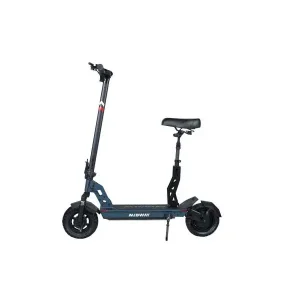
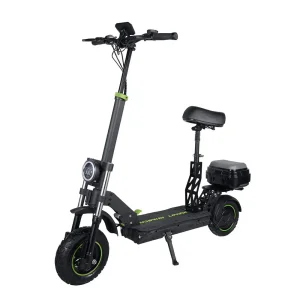
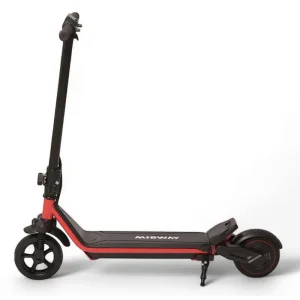
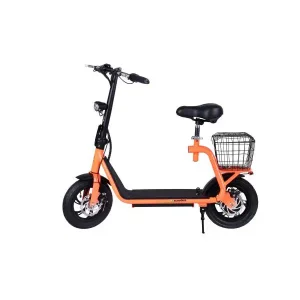
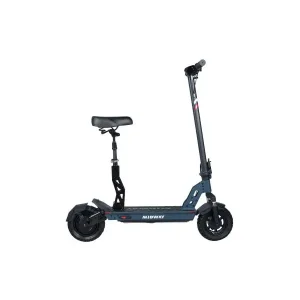
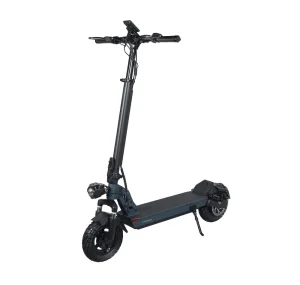
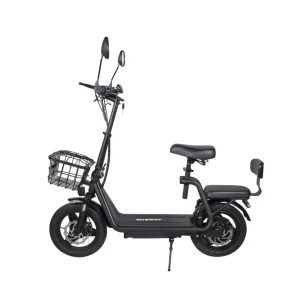
Understanding the technical, economic, and logistical factors that position Chinese electric scooter bike suppliers as the cornerstone of global urban transportation.
Global micro-mobility transit is undergoing a structural transformation. Modern urban fleets and retail brands require electric scooter bikes equipped with advanced Field Oriented Control (FOC) vector controllers paired with ultra-efficient Brushless DC (BLDC) and Permanent Magnet Synchronous Motors (PMSM). By sourcing directly from Tier-1 Chinese manufacturers, global enterprises eliminate intermediary overhead while securing customized torque curves ranging from lightweight 150W-350W urban cruisers to high-torque 1000W-1500W all-terrain and 10kW 72V heavy-duty electric motorcycles.
Procuring micro-mobility products requires strict adherence to international safety guidelines. Chinese manufacturing hubs in Zhejiang (such as Wuyi and Jinhua) have established deeply integrated industrial clusters. This proximity guarantees fast access to high-grade aircraft 6061-T6 aluminum alloy chassis, automated Surface Mount Technology (SMT) controller lines, and UN 38.3 certified Lithium-ion battery packs (NMC / LiFePO4). Importers gain complete traceability, meeting European EN 17128:2020 and North American UL 2272 requirements seamlessly.
A granular breakdown of core EV subsystems engineered at China's modern manufacturing facilities.
Modern Chinese electric scooter suppliers utilize hall-sensorless and hall-sensored BLDC hub motors featuring premium 0.35mm silicon steel laminations and Neodymium (NdFeB) heat-resistant permanent magnets. Coupled with 12-MOSFET or 18-MOSFET FOC controllers, system efficiency exceeds 92%, mitigating thermal dissipation issues during sustained hill climbs.
Battery enclosures house Grade-A 18650 or 21700 cylindrical cells (or solid-state LiFePO4 pouch packs). Built-in Smart Battery Management Systems (BMS) provide real-time telemetry via CAN-Bus or Modbus protocols, safeguarding against over-charge, deep discharge, thermal runaway, short-circuit, and cell imbalance.
Next-generation models feature integrated IoT modules with Bluetooth 5.2, 4G LTE, and GPS/GLONASS tracking. Enterprise mobility fleet operators benefit from remote locking, dynamic Geofencing, over-the-air (OTA) firmware updates, and real-time battery state-of-health (SoH) diagnostic monitoring.
| Specification Category | Lightweight Urban (150W-350W) | Performance Urban (500W-600W) | Heavy All-Terrain (1000W-1500W) | Enterprise Motorcycle (10kW+) |
|---|---|---|---|---|
| Operating Voltage | 24V / 36V DC | 48V DC | 48V / 52V / 60V DC | 72V / 96V DC |
| Battery Chemistry | 18650 Lithium-ion (NMC) | 21700 High-Density NMC | 21700 High-Rate NMC | Automotive Grade LiFePO4 / NMC |
| Max Range Per Charge | 20 - 35 km | 45 - 65 km | 60 - 90 km | 120 - 180 km |
| Braking System | E-ABS + Mechanical Disc | Dual Mechanical / Hydraulic Disc | Fully Hydraulic Dual Piston | Dual Hydraulic CBS / ABS System |
| Tire Specifications | 8.5-inch Solid / Pneumatic | 10-inch Tubeless Pneumatic | 10-11 inch All-Terrain Fat Tires | 14-17 inch Off-Road Radial |
| Ingress Protection | IPX4 Frame / IPX6 Battery | IPX5 Vehicle / IPX7 Battery | IPX6 Vehicle / IPX7 Battery | IP67 Full Vehicle System |
Inside modern OEM/ODM manufacturing facilities in Wuyi, Zhejiang—where high-capacity automation meets rigorous quality control.
Every frame structure undergoes Finite Element Analysis (FEA) prior to tooling. Robotic TIG/MIG welding arms assemble lightweight 6061 aluminum and high-tensile steel alloys to ensure structural uniformity, followed by 300,000-cycle vertical vibration and drop fatigue testing.
Before packaging, 100% of manufactured vehicles undergo dynamometer testing for acceleration, torque output, regenerative braking efficiency, and thermal stability. Waterproof enclosures undergo rain-chamber testing to guarantee IPX5-IPX7 ratings.
Strategically situated in the Yangtze River Delta industrial belt, factories maintain direct ties with tier-1 battery cell manufacturers (CATL, Eve, LG) and motor controller casting foundries, delivering optimized lead times even during seasonal demand spikes.
How enterprise importers, brand owners, and fleet managers minimize total cost of ownership while maximizing warranty margins.
Choosing the correct knockdown assembly strategy is critical for minimizing tariffs and shipping costs:
To support global dealer networks, factory supply agreements include structured spare parts allocation and technical documentation support:
Navigating complex international market entry regulations with complete factory-backed documentation.
Full compliance with EN 17128:2020 (personal light electric vehicles), CE Machinery Directive (2006/42/EC), Low Voltage Directive (LVD), EMC Directive, and RoHS/REACH chemical compliance. For high-speed models, EEC/COC homologation (L1e-B / L3e categories) is provided for street-legal registration.
Electrical safety certified under UL 2272 (electrical systems for personal e-mobility devices) and UL 2271 (batteries for use in light electric vehicles). Electromagnetic compatibility verified through FCC Part 15 Class B testing.
All Lithium battery packs undergo rigorous environmental testing including altitude simulation, thermal tests, vibration, shock, external short circuit, impact, overcharge, and forced discharge under UN 38.3 transport safety regulations, backed by full MSDS documentation and Air/Sea freight DG packaging approval.
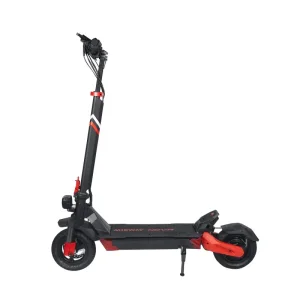
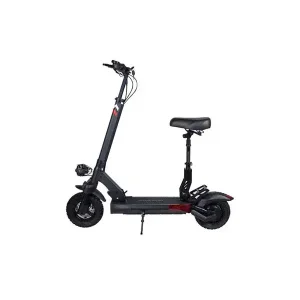
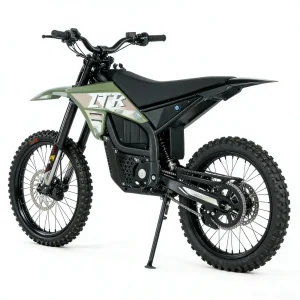
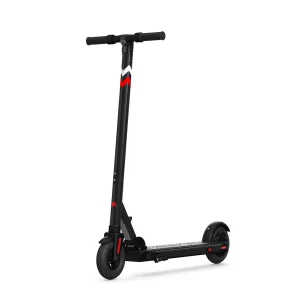
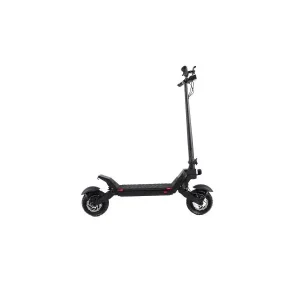
Explore our specialized catalog models engineered for heavy-duty commercial deployment and custom OEM branding.
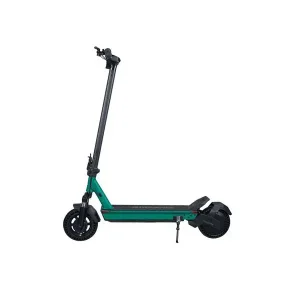
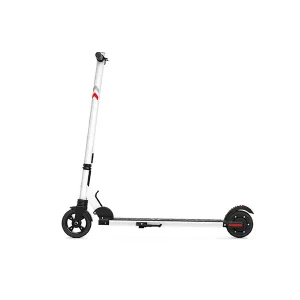
Expert answers regarding factory auditing, custom OEM engineering, MOQ structures, and international shipping protocols.
For standard stock models with custom logo silk-screening and customized outer packaging, the base MOQ starts at 50 to 100 units. For full custom OEM projects involving proprietary frame colorways, custom battery capacity configurations, or tailored mobile app UI integrations, MOQ typically ranges from 200 to 500 units depending on tooling requirements.
All lithium-ion battery packs undergo stringent UN 38.3 certification testing, including altitude, thermal, vibration, and short-circuit simulations. Packages are certified with UN-approved dangerous goods (DG) heavy-duty corrugated boxes, complete with MSDS and Material Inspection Certificates for Seamless Vessel Loading (IMO Dangerous Goods Class 9 regulation compliant).
Yes. Factory software engineers can pre-program firmware parameters directly into the Field Oriented Control (FOC) vector inverters. We can lock maximum speed limits (e.g., 25 km/h for European EN 17128 compliance or 20 mph for North American municipal standards), configure zero-start or non-zero kick-start modes, and adjust regenerative braking power curves based on client specifications.
Standard mass production lead time for a 40HQ container (approximately 250-450 units depending on SKD/CBU packing) is 25 to 35 calendar days following sample sign-off and deposit receipt. For repeat orders with standardized component specifications, production cycles can be compressed to 15-20 days.
We provide a comprehensive factory warranty: 24 months on main structural frame alloys, and 12 months on core powertrain elements (BLDC motor, lithium battery pack, controller, and display unit). Every container order includes a complimentary 2% spare parts buffer (tires, tubes, brake pads, throttles, and wiring harnesses) for immediate localized customer service support.
Absolutly. We welcome full third-party facility audits, social responsibility audits, and pre-shipment quality inspections (PSI) by international testing firms such as SGS, TÜV Rheinland, Bureau Veritas, or Intertek at our Wuyi manufacturing center.
