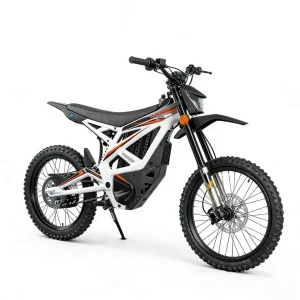
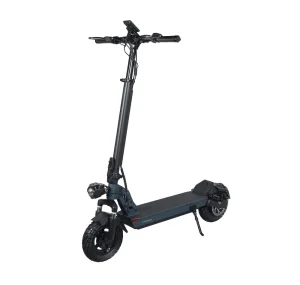
High-grade electric scooters, high-torque citycoco variants, fast chargers, and ergonomic mobility platforms produced in our 34,000 m² Wuyi manufacturing complex.
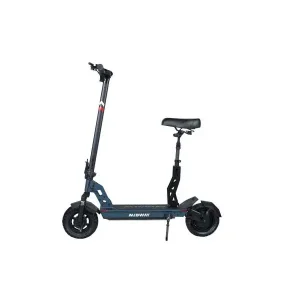
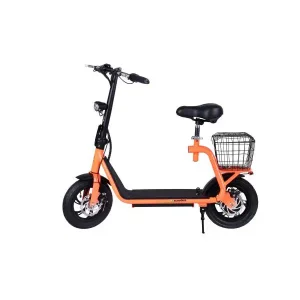
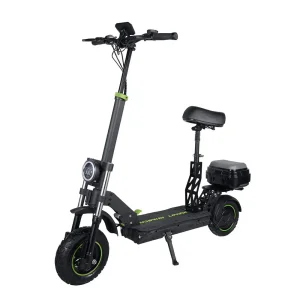
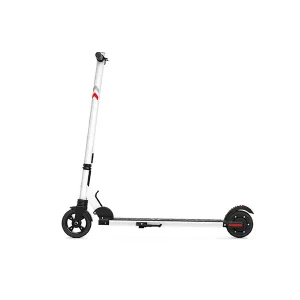
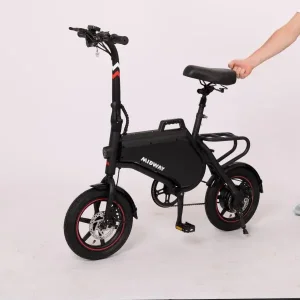
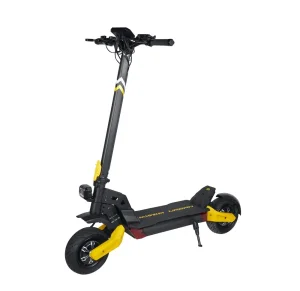
The global light electric vehicle (LEV) industry is undergoing a structural transition from short-distance stand-up kick scooters to long-range, seated urban utility platforms. As suburban expansion, commercial delivery fleets, and senior mobility requirements converge, international procurement teams are prioritizing seating system durability, rider ergonomics, and integrated structural posts. The shift toward seated configurations directly responds to rider fatigue data in urban commutes exceeding 5 kilometers, commercial last-mile delivery operations, and stringent regional vehicle classification regulations across Europe and North America.
For B2B importers, brand owners, and fleet operators, sourcing directly from specialized China electric scooter seats factories provides significant unit-cost efficiency, tooling flexibility, and rapid prototyping advantages. Modern electric scooter seating is no longer a simple aftermarket accessory; it is a load-bearing, vibration-dampening safety component integral to the chassis dynamic stability. Industrial buyers now demand cold-cured polyurethane foam formulations, weather-resistant vacuum-formed upholstery, and ISO-certified quick-release or fixed suspension seat posts capable of sustaining static loads over 150 kg across extended service lifecycles.
Shared mobility and last-mile delivery platforms demand seating systems resistant to vandalism, severe weather exposure, high-frequency compression, and chemical degradation from urban cleaning agents.
Advanced dual-spring base dampeners, hydraulic seat post cartridges, and memory-retention PU foam reduce road-vibration transmission to the rider's lumbar spine by up to 42%.
Leading Chinese manufacturing hubs provide fully certified non-toxic TPU skins, fire-retardant foam cores compliant with REACH, RoHS 2.0, and California Proposition 65 requirements.
The transition from low-cost cut foam to high-density cold-molded polyurethane (PU) represents the fundamental milestone in modern electric scooter seat manufacturing. OEM seat factories in China are deploying automated high-pressure polyurethane foaming lines that yield precise density control ranging between 45 kg/m³ to 65 kg/m³. This optimum density balances initial tactile comfort with long-term rebound resiliency, preventing premature foam collapse under heavy dynamic loads.
Engineering Benchmark: High-grade OEM seats utilize seamless vacuum-molded TPU or marine-grade PVC leather thermally bonded directly to the PU foam core. This eliminates needle-hole stitching, creating a 100% IPX7 waterproof barrier that prevents water ingress into the internal cushion matrix during rain exposure.
Thermal degradation and UV hardening are the primary wear factors for outdoor electric vehicle seats. Premium factory specifications incorporate anti-UV additives (UV-Index 50+ protection) and heat-reflective surface coatings into synthetic leathers. Furthermore, micro-perforated breathable fabrics paired with internal honeycomb airflow channels are integrated into high-end commuter and mobility scooter models to prevent heat retention during extended usage.
The structural foundation of an electric scooter seat assembly relies on reinforced polypropylene (PP) or engineered nylon baseplates capable of enduring 2,500 N dynamic drop tests. Modern baseplates feature molded-in brass threaded inserts for secure attachment to steel or forged 6061-T6 aluminum alloy seat posts. Integrated suspension systems incorporate dual internal coil springs, oil-dampened hydraulic cartridges, or elastomeric rubber bushings engineered for specific terrain profiles.
When selecting OEM electric scooter seat configurations from Chinese manufacturers, procurement officers should evaluate parameters based on operational environment and target demographics:
Operating out of an expansive 34,000 m² manufacturing ecosystem in Wuyi, Zhejiang—China's world-leading hardware and light electric vehicle industrial cluster—WuYi YueMa Leisure Articles Co., Ltd. (Yuema) delivers end-to-end production control. Unlike pure assembly vendors or trading intermediaries, Yuema integrates structural tube bending, automated robotic welding, electrostatic powder coating, seat harness assembly, and rigorous load testing under a unified quality management framework compliant with ISO 9001:2015.
Seat assemblies undergo 100,000 continuous cycle vertical impact tests under 120kg loading to ensure baseplate and post weld integrity.
Upholstery materials undergo 50,000-cycle Martindale rub tests to prevent premature surface peeling, cracking, or discoloration under commercial use.
Seats are tested inside thermal chambers (-20°C to 65°C) to guarantee foam elasticity and prevent leather cracking under extreme climate conditions.
Every batch undergoes dimensional verification, post-latching alignment tests, and manual torque validation prior to export cartoning.
Procuring electric scooter seats and seated mobility platforms from Chinese factories requires balancing structural customization with shipping cubage optimization. Because fully assembled seated scooters occupy significantly higher volume than folded stand-up scooters, efficient B2B logistics strategies rely on Knocked-Down (KD) seat assembly packaging or integrated quick-release deck mounting systems.
Chinese factories offer direct private-label customization options, including debossed logo stamping on leather covers, custom stitching patterns, dual-tone synthetic skins, and branded rear reflectors or integrated LED taillights embedded within the seat base.
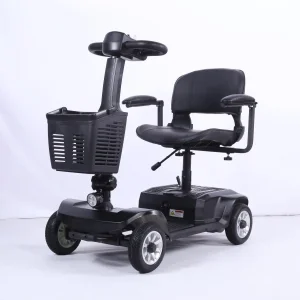
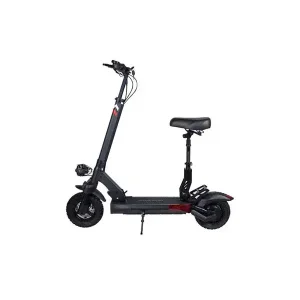
To support diverse frame geometries, OEM factories engineer modular universal mounting plates. These allow a single seat design to attach seamlessly to 36V commuter decks, 48V/60V citycoco fat-tire chassis, or 4-wheel mobility platforms without modifying main frame tooling.
By utilizing modular seat-post detachability and flat-packed box geometries, Yuema maximizes 40HQ container loading density—achieving up to 35% higher unit yields per shipping container compared to non-detachable seated imports.
Entering European, North American, and Asia-Pacific markets requires strict adherence to light vehicle safety codes. Electric scooter seats and their structural mounting posts are classified under structural safety components during customs audits and commercial insurance evaluations. Working with certified Chinese factories ensures all documentation is delivered prior to container dispatch.
European standards demand strict mechanical stability for Personal Light Electric Vehicles (PLEVs). Seat attachments must withstand lateral shear forces and fatigue loads outlined in EN 17128:2020. Furthermore, synthetic leathers, foam cushions, and plastic baseplates must provide REACH SVHC declarations proving zero restricted phthalates, heavy metals, or hazardous flame retardants.
For US and Canadian markets, seated electric scooters must comply with total vehicle electrical safety under UL 2272, ensuring seat post mounting points do not pinch, abrade, or stress internal battery wiring harnesses. Chemical compliance requires California Proposition 65 clearance for vinyl coatings and foam additives.
High-power electric motorcycles, adult mobility scooters, chargers, and long-range commuter models manufactured directly in China.