Explore direct factory-grade electric mobility equipment engineered in specialized manufacturing hubs across Zhejiang. Engineered for commercial fleets, medical distribution networks, and global importers.
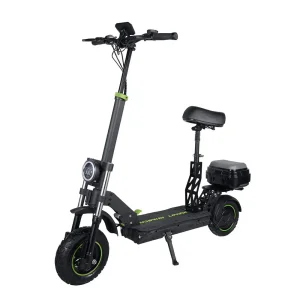
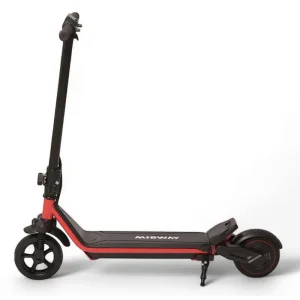
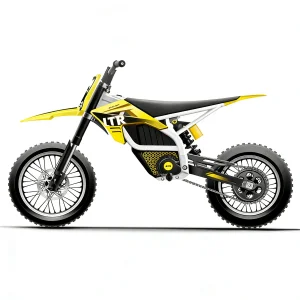
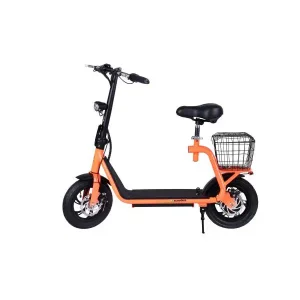
An in-depth analysis of demographic shifts, healthcare infrastructure modernizations, and micro-mobility technological convergence driving global demand for electric wheelchairs and personal transport solutions.
The global market for micro-mobility devices and electric wheelchairs is undergoing a profound paradigm shift. Driven by a rapidly aging global demographic—where the United Nations estimates the population aged 60 and over will double to 2.1 billion by 2050—the demand for reliable, ergonomically engineered, and technologically advanced electric scooters and mobility wheelchairs has transitioned from a specialized medical niche into a mainstream industrial mobility sector.
Historically, personal mobility devices were segmented strictly into either clinical medical equipment (such as power wheelchairs regulated under medical device frameworks) or consumer recreational kick-scooters. However, user intent mining and global procurement patterns reveal an increasing crossover: B2B buyers, medical device importers, municipal transport operators, and commercial fleet managers now seek hybrid solutions. Modern consumers and healthcare providers demand products that combine the rugged durability and high-torque performance of electric scooters with the safety, stability, and therapeutic comfort of medical-grade wheelchairs.
Accelerating urban density and expanding healthcare insurance coverage across North America, Western Europe, and East Asia have catalyzed government subsidies for mobility devices, driving strict requirements for certified, long-range power mobility.
The integration of high-density lithium-ion battery chemistry (NMC & LiFePO4) alongside Field-Oriented Control (FOC) vector controllers has extended operating ranges while significantly reducing chassis weight compared to traditional lead-acid systems.
Global markets mandate rigorous compliance frameworks, including EU MDR (2017/745), US FDA 510(k), EN 12184 safety testing, and UN 38.3 lithium battery transportation safety, necessitating verified factory partnerships.
Examining the structural supply chain efficiencies, raw material integration, robotic manufacturing precision, and scale economics centered in Zhejiang, Jiangsu, and Guangdong manufacturing corridors.
China’s dominance in the global production of electric scooters, electric wheelchairs, and personal mobility equipment is rooted in an unprecedented industrial cluster effect. Geographically concentrated hardware zones—such as Wuyi, Yongkang, and Taizhou in Zhejiang Province—form a tightly integrated ecosystem where component sourcing, precision engineering, and vehicle assembly occur within a localized radius.
For international procurement directors, contracting directly with established Chinese manufacturers yields measurable technical and financial advantages over fragmented assembly operations in other regional markets:
Chinese factories benefit from immediate proximity to tier-1 suppliers of brushless hub motors, aircraft-grade 6061 aluminum alloy extrusions, tooling facilities, and automated SMT circuit board manufacturing lines. This localization reduces component lead times from months to days.
Leading manufacturers utilize automated TIG robotic welding for main chassis frames, CNC laser pipe cutting, hydrostatic paint lines, and computerized dynamometer testing rigs to ensure frame fatigue resistance under heavy load conditions.
High annual output allows top-tier Chinese factories to absorb specialized molding and design costs, offering global B2B partners bespoke plastic injection fairings, custom ergonomic seating, and customized controller programming at low unit costs.
Evaluating structural, mechanical, electrical, and control system choices across high-performance electric scooters and heavy-duty folding mobility wheelchairs.
| Engineering Parameter | Lightweight Folding Wheelchairs | Commercial Urban Scooters | Heavy-Duty Mobility / Citycoco |
|---|---|---|---|
| Motor Technology | Dual 180W - 250W Planetary Gear / BLDC Transaxle | 500W - 1000W Direct Drive BLDC Hub Motor | 3000W - 4000W High-Torque Brushless Hub Motor |
| Operating Voltage | 24V DC Systems | 48V - 60V DC Systems | 60V - 72V DC Systems |
| Battery Cell Chemistry | LiFePO4 (LFP) / Ternary Lithium (NMC) | High-Drain NMC 18650 / 21700 Lithium Cells | High-Capacity Lithium-ion Pack (20Ah - 60Ah) |
| Braking Architecture | Intelligent Electromagnetic Braking (Auto-Hold) | Front & Rear Mechanical/Hydraulic Disc Brakes | Dual Hydraulic Regenerative CBS Disc Brakes |
| Chassis Structure | Magnesium Alloy / Lightweight 6061 Aluminum | High-Tensile Carbon Steel / Aluminum Frame | Reinforced Steel Tubular Frame Chassis |
| Controller Type | PG Drives / Dynamic Brushless Joystick Vector Controller | Sine-Wave FOC 6-Tube / 9-Tube Controller | High-Current Intelligent Programmable FOC Controller |
| Max Gradient / Incline | 8° – 12° Slope Gradeability | 15° – 20° Slope Gradeability | 25° – 35° Slope Gradeability |
| Safety Compliance | EN 12184, ISO 7176, CE MDR, FDA 510(k) | CE, EN 17128, UL 2272, RoHS | EEC/COC L1e/L3e, DOT, CE, UN 38.3 |
In mobility wheelchair design, safety mechanics differ fundamental from high-speed urban e-scooters. Electric wheelchairs rely primarily on Electromagnetic Brakes (EMB). When the operator releases the joystick controller, the electromagnetic clutch instantly engages via spring tension, locking the drive transaxle even on steep inclines without requiring mechanical hand levers. This zero-power hold function is crucial for preventing roll-backs in physical rehabilitation environments.
Conversely, commercial electric scooters and heavy-duty Citycoco models operating at speeds between 25 km/h and 80 km/h utilize dual hydraulic disc brakes equipped with E-ABS (Electronic Anti-lock Braking System). The E-ABS system feeds kinetic energy back into the lithium pack during braking while preventing wheel lockup on wet asphalt surfaces.
How tailored scooter and wheelchair engineering solves specific mobility operational challenges across global healthcare, municipal, and commercial sectors.
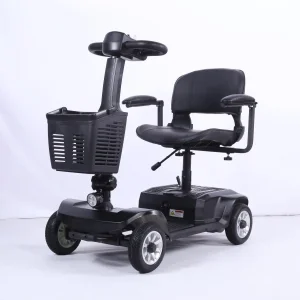
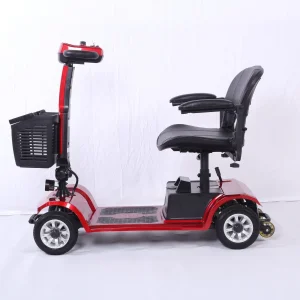
Hospital complexes and long-term care institutions mandate power wheelchairs with ultra-tight turning radii (< 850mm), anti-microbial synthetic upholstery, flip-up armrests for patient lateral transfers, and non-marking solid PU tires to preserve sanitary floor coatings.
Active seniors requiring assisted mobility for air transport or vehicle trunk loading depend on ultra-lightweight folding electric scooters (such as 180W-250W models). These units utilize airline-approved 24V 10Ah lithium battery modules under UN 38.3 transport safety limits.
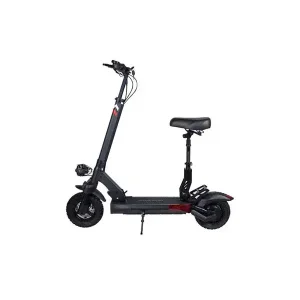
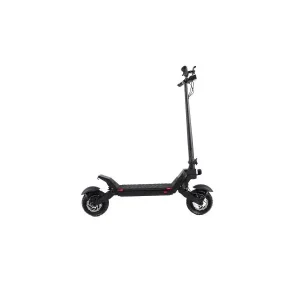
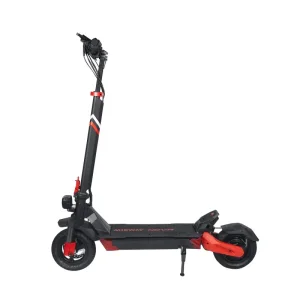
Urban commuters and rental operations mandate 500W to 1000W heavy-duty kick scooters featuring IPX5 full-vehicle waterproofing, swappable battery compartments, built-in IoT telematics units (GPS/4G), and solid puncture-proof 10-inch pneumatic tires.
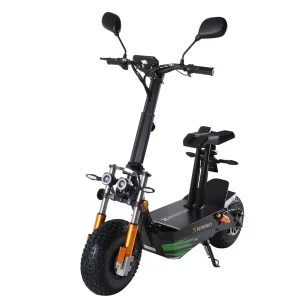
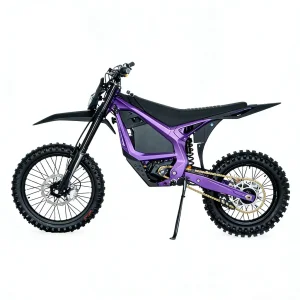
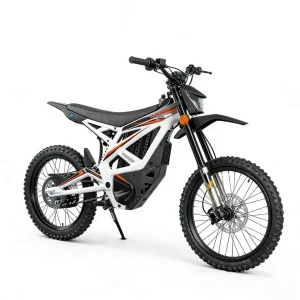
Sprawling industrial parks, university campuses, and eco-resorts deploy high-capacity 3000W - 4000W Citycoco fat-tire scooters and electric motorcycles. These offer dual-seat options, extended payloads up to 200kg, and superior clearance for off-road gravel tracks.
A step-by-step risk management framework for international buyers to evaluate Chinese supplier credentials, manage factory audits, and streamline customs clearances.
When evaluating potential manufacturing partners in China for electric wheelchairs or commercial electric scooters, B2B procurement managers must look beyond superficial marketing materials. A rigorous factory audit strategy evaluates three primary operational domains:
Shipping high-capacity lithium battery devices requires specialized logistics management. Importers must ensure their supplier provides a complete compliance dossier prior to container loading:
Key technological vectors redefining smart personal mobility, from AI-assisted obstacle avoidance to solid-state battery integration.
Next-generation power wheelchairs are adopting millimeter-wave radar and ultrasonic sensor arrays. Integrated microcontrollers detect rear and side obstacles, automatically decelerating the vehicle to prevent collisions in crowded public venues.
Industry adoption is shifting toward Lithium Iron Phosphate (LiFePO4) and semi-solid state batteries due to their superior thermal stability, non-combustible profile, and extended lifecycle exceeding 2,500 charge cycles compared to traditional NMC chemistries.
Commercial scooter and wheelchair fleets are incorporating CAN-bus connected IoT modules. Operators receive real-time battery state-of-health metrics, predictive motor maintenance alerts, and Over-The-Air (OTA) firmware updates remotely.
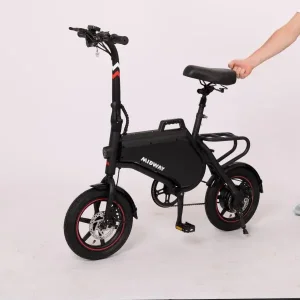
Browse additional high-capacity electric mobility devices, heavy-duty Citycoco scooters, and adult power wheelchairs available for direct container load procurement.
Direct answers to technical, regulatory, and logistics queries regarding sourcing electric wheelchairs and mobility scooters from Chinese OEM factories.
