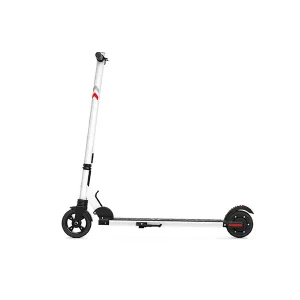
Direct-from-factory solutions engineered for urban transit, fleet rentals, and medical distribution.
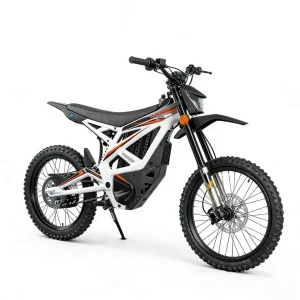
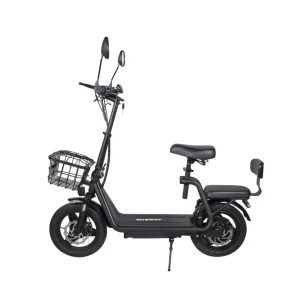
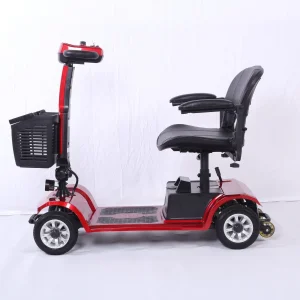
Analyzing demographic shifts, micro-mobility infrastructure expansion, and OEM sourcing trends shaping global personal transportation markets.
The global foldable mobility scooter market is experiencing unprecedented compound growth, driven by a dual-engine market dynamic: rapid global population aging and the acceleration of last-mile urban accessibility networks. By 2030, over 1.4 billion people worldwide will be aged 60 or older. This shift has redefined mobility equipment from purely clinical medical devices into lifestyle accessibility vehicles that demand aesthetic appeal, rapid folding ergonomics, and lightweight airline-approved transportability.
Modern consumers and mobility rental fleets no longer accept cumbersome, 80kg traditional mobility chairs that require dedicated vehicle lifts. The contemporary procurement market strongly favors aircraft-safe lithium battery scooters (under 300Wh capacity per UN38.3 standards) with quick-release chassis mechanisms. Overseas importers operating in North America, Europe, Australia, and the Middle East require partners capable of delivering sub-25kg net weight frames without sacrificing structural rigidity or load capacity.
Understanding the hardware ecosystem of Wuyi, Jinhua, and Zhejiang manufacturing clusters.
Located in the heart of Zhejiang’s hardware manufacturing corridor (Wuyi/Jinhua), top mobility factories operate within a 30-mile radius of raw material suppliers, precision CNC aluminum extrusion plants, motor winding specialists, and specialized BMS assembly facilities. This extreme supply chain density reduces lead times from component concept to mass prototype by up to 65% compared to Western manufacturers.
China foldable mobility scooter factories manufacture over 80% of the world's electric mobility devices. This massive annual output allows factories like Yuema (WuYi YueMa Leisure Articles Co., Ltd.) to amortize expensive high-pressure die-casting tooling and automated robotic welding rigs over hundreds of thousands of units, providing B2B buyers with unprecedented unit cost efficiencies without sacrificing build quality.
Leading factories maintain in-house powder coating lines, automated SMT PCB surface mounting for controller units, robotic frame welding, and automated end-of-line dynamometer testing. By controlling every stage from raw aluminum billet to packed container loading, Chinese suppliers offer tight quality assurance and rapid turnarounds on custom OEM modifications.
A rigorous breakdown of structural metallurgy, kinematic linkage systems, motor efficiency curves, and battery protection systems.
High-end China factories utilize 6061-T6 aluminum alloy and pressure-cast magnesium alloy chassis. 6061-T6 offers a tensile strength of over 310 MPa and a yield strength of 276 MPa while remaining lightweight. In contrast, cheaper low-end factories utilize mild carbon steel, which increases overall vehicle weight by 45% and renders the scooter prone to structural oxidation in coastal environments.
The core vulnerability of any folding scooter lies in its hinge pivot mechanism. Tier-1 factories engineer patented double-pivot locking latches reinforced with hardened 304 stainless steel pins and high-density polyurethane bushing seals. These mechanisms undergo 20,000-cycle stress fatigue testing to ensure zero structural play or chassis flex after prolonged operational wear.
Modern foldable mobility scooters incorporate high-torque brushless permanent magnet hub motors (250W to 600W range) integrated with dynamic electromagnetic (EM) braking systems. When the user releases the throttle lever, the automatic EM brake engages immediately, holding the scooter securely on inclines of up to 12 degrees without relying on mechanical friction cables.
Safety is paramount for lithium-powered mobility. Modern factories implement Intelligent Battery Management Systems (BMS) with multi-point temperature sensors, cell balancing protocols, over-current protection, and short-circuit cutoff circuits. Batteries utilize certified 18650 or 21700 lithium-ion cells with UN38.3, IEC62133, and MSDS documentation ready for international freight forwarders.
| Engineering Parameter | Commercial Heavy-Duty Spec | Ultra-Light Travel Spec | Standard Economy Spec |
|---|---|---|---|
| Frame Material | 6061-T6 Aviation Grade Aluminum | Cast Magnesium Alloy | Standard Carbon Steel Tube |
| Folding Mechanism | 1-Touch Automated / Remote Actuated | 2-Step Manual Quick-Latch | Bolt-Secured Manual Hinge |
| Motor Rating & Type | 250W - 500W Brushless Differential / Hub | 180W - 250W Dual Front/Rear Hub | 150W Brushed DC Motor |
| Max Payload Capacity | 150 kg (330 lbs) | 120 kg (265 lbs) | 90 kg (198 lbs) |
| Braking System | Regenerative + Dynamic EM Brake | Automatic Electromagnetic Brake | Manual Cable Disc / Drum Brake |
| Battery Compliance | UN38.3, MSDS, CE, EN17128, ISO 13485 | UN38.3 Flight Approved (<300Wh) | Basic CE Mark Only |
How global importers, fleet operators, healthcare networks, and travel destinations deploy foldable mobility units.
Specialized medical supply houses require mobility devices with strict ISO 13485 quality control, CE medical compliance, and FDA registrations. These distributors prioritize long-term spare part availability (motors, BMS boards, tires) and customizable branding/packaging for local retail distribution networks.
Hospitality and leisure operators deploy rental fleets of ultra-durable foldable mobility scooters. Key requirements include zero-maintenance solid rubber tires, heavy-duty anti-tip rear wheels, easy battery swapping systems, and scratch-resistant powder-coated frame finishes to withstand harsh marine or high-use rental environments.
International transit hubs provide passenger accessibility assistance using gate-checked foldable scooters. These models must feature quick-fold capabilities, clear battery capacity labelling (wh wattage under strict airline regulatory cutoffs), and robust lifting handles for baggage handler operations.
A step-by-step framework for B2B buyers auditing China mobility scooter suppliers.
A top-tier factory begins quality control long before final assembly. Audit teams verify that raw aluminum tubing is tested via spectrographic analysis for alloy purity. Battery cells must undergo automated voltage matching and internal resistance impedance sorting to ensure uniform power draw across all parallel battery strings.
During frame construction, robotic welding seams are randomly subjected to dye penetrant testing and ultrasonic flaw detection to identify micro-cracks. Electronics and wiring harnesses are tested with automated continuity and insulation resistance testers before chassis enclosure installation.
100% of manufactured units must pass automated roller-dynamometer testing for throttle response, max speed calibration, climb torque verification, and electromagnetic brake stopping distance. Packed boxes undergo 1.5-meter drop testing and vibration simulation to prevent transit damage.
Ensure the manufacturing entity holds genuine certificates in their legal entity name (e.g., WuYi YueMa Leisure Articles Co., Ltd.). Check test reports for EN 12184 / EN 17128 for European road compliance, CE Machinery Directive, UL2272 for electrical safety, and UN38.3 transport documentation.
Direct answers to technical, logistics, compliance, and OEM customization inquiries.
Direct-from-factory models engineered for global distribution networks and retail dealers.
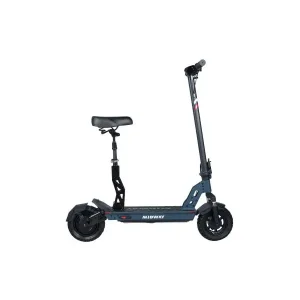
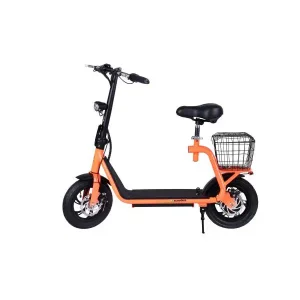
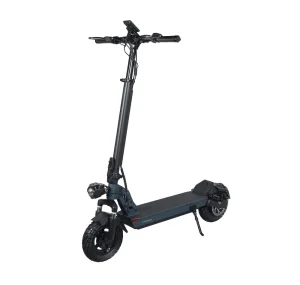
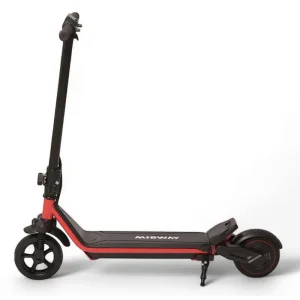
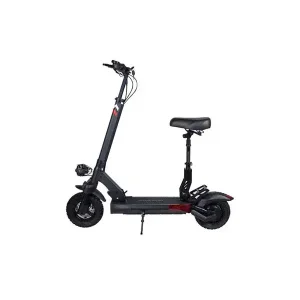
Whether you are expanding a medical distribution network, procuring a resort rental fleet, or launching a custom OEM electric scooter brand, our engineering team is ready to assist with technical specs, OEM quotes, and container logistics.
Request Factory Quotation & Technical Catalog