Direct factory-sourced electric micro-mobility vehicles manufactured under ISO9001, CE, EN17128, and UL certification standards.
The global light electric vehicle (LEV) sector has underwent a fundamental structural evolution over the past decade. Driven by municipal carbon-neutrality mandates, urban congestion fees, and the exponential expansion of last-mile logistics networks, demand for personal mobility devices—ranging from 350W urban kick scooters to high-output 35KW electric motorcycles—has skyrocketed. At the operational heart of this transformation is China’s consolidated OEM/ODM manufacturing landscape.
China produces over 80% of the world’s electric two-wheelers. However, for B2B importers, brand owners, and fleet operators, navigating the ecosystem requires distinguishing between transactional trading vendors and true "Good Electric Scooter Factories". An authentic tier-1 manufacturing facility is defined not merely by assembly throughput, but by vertical integration: in-house CNC chassis fabrication, automated Surface Mount Technology (SMT) for controller boards, precision battery cell sorting, and rigid environmental testing chambers.
Evaluating potential manufacturing partners demands rigorous empirical criteria. Distributing uncertified or structurally substandard vehicles risks catastrophic recall expenses, brand devaluation, and legal liability in regulated markets such as North America (ANSI/CAN/UL 2272) and the European Union (EN 17128:2020 & EEC L-category homologation).
Top-tier factories implement thermal-isolated aluminum casing with integrated phase-change materials (PCM). Automated spot-welding machines ensure micro-ohmic contact resistance across 18650 or 21700 cell pack matrices.
Leading manufacturers utilize silicon steel stator laminations (0.35mm thickness) combined with neodymium-iron-boron (NdFeB) permanent magnets rated for high thermal tolerance (up to 150°C without demagnetization).
Robotic TIG welding of aviation-grade 6061-T6 aluminum alloy or high-tensile carbon steel frames eliminates human variability, guaranteeing fatigue resistance under 100,000 cyclic impact loads.
| Evaluation Domain | Standard Trading Manufacturer | Advanced Tier-1 OEM/ODM Factory | Direct Impact on Importer |
|---|---|---|---|
| Battery Sourcing & BMS | Generic B-grade cells; basic hardware BMS lacking thermal sensors. | Grade-A CATL/EVE/EVE/Panasonic cells; Smart CAN-bus BMS with real-time balancing. | Extends battery cycle life from 300 to 1,000+ cycles; eliminates fire hazard risks. |
| Frame Quality Testing | Manual visual sampling; no dynamic stress vibration rigs. | Dynamic 3-axis vibration testing, drop testing, computer-controlled stress analysis. | Prevents structural stem fractures during high-speed off-road operation. |
| Waterproofing Protocol | Silicone gel sealing applied manually; no pressure decay testing. | Automated gasket sealing; IPX5 whole-vehicle and IPX7 battery enclosure vacuum testing. | Dramatically reduces warranty return rates caused by rain ingress in urban fleets. |
| Compliance Documentation | Third-party self-declarations; outdated lab reports. | TÜV / SGS certified EN17128, UL2272, EEC L3e homologation packages ready for customs. | Guarantees seamless customs clearance and legal commercial sales in EU/US. |
The electrification architecture of personal mobility vehicles is shifting away from simple DC brushed motors toward sophisticated permanent-magnet synchronous systems driven by Field-Oriented Control (FOC) vector wave controllers. Understanding these engineering nuances is critical for B2B product procurement directors establishing market differentiation.
Unlike legacy square-wave controllers that produce high electromagnetic noise and mechanical vibration, modern FOC vector controllers dynamically adjust the current vector based on rotor position. This results in smooth acceleration, 15% greater energy conversion efficiency, and silent motor operation under max torque output.
For high-output electric dirt bikes and heavy motorcycles (e.g., 10KW to 35KW configurations), stepping up system voltage from 48V to 72V or 96V drastically reduces current draw (Amperage) for equivalent power output. Lower current minimizes thermal loss in wiring harnesses, extending continuous top-speed sustained riding times.
Industrial and fleet-grade electric scooters are now natively built with embedded IoT modules featuring 4G LTE-M, GPS/GLONASS tracking, BLE communication, and CAN-bus telemetry. This enables remote Over-The-Air (OTA) firmware updates, geofencing, dynamic speed limiting, and predictive maintenance diagnostics.
Vehicle configuration must strictly align with regional geography, regulatory speed limits, consumer ergonomics, and specific commercial deployment scenarios. A one-size-fits-all manufacturing approach leads to high product failure rates in field conditions.
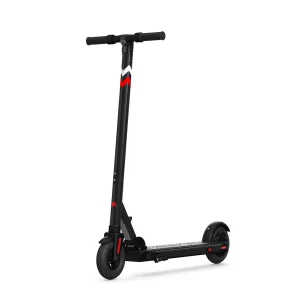
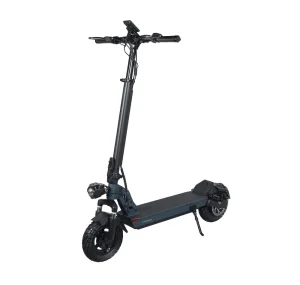
Target Vehicle: 350W - 600W 36V/48V Folding Kick Scooters.
Key Features: Lightweight aircraft-grade aluminum frame (< 18kg), quick-folding latch mechanism, 8.5 to 10-inch pneumatic or honeycomb tires. Ideal for metropolitan transit integration in Europe and East Coast USA.
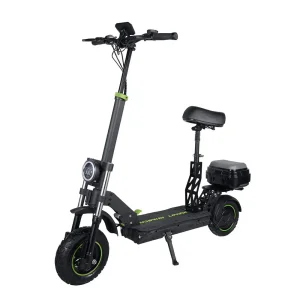
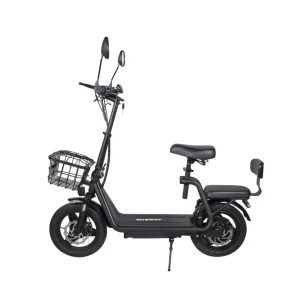
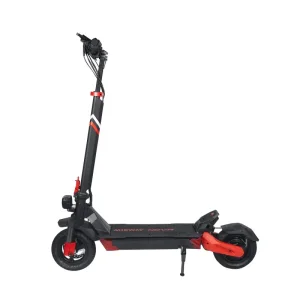
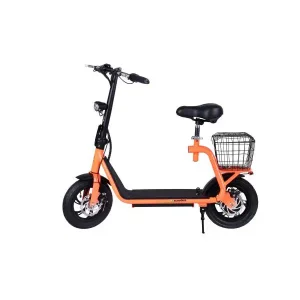
Target Vehicle: 1000W 48V/60V Electric Scooters & Citycoco Utility Platforms.
Key Features: Swappable dual-battery bays, rear cargo rack integration, reinforced dual rear shock absorbers, high-payload capacity (150kg+). Engineered for food delivery and courier operations in LATAM, Southeast Asia, and Europe.
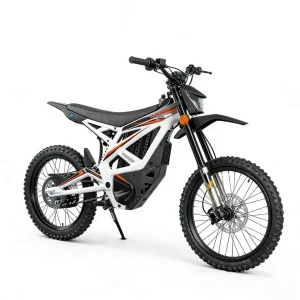
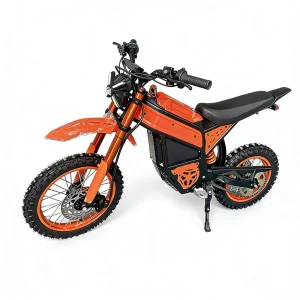
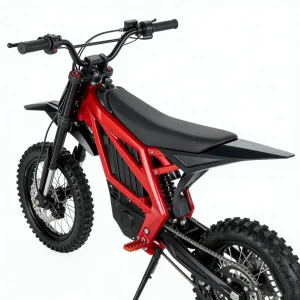
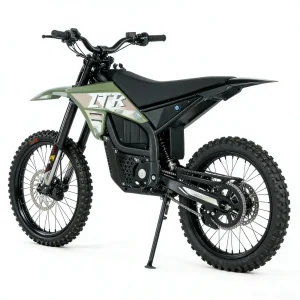
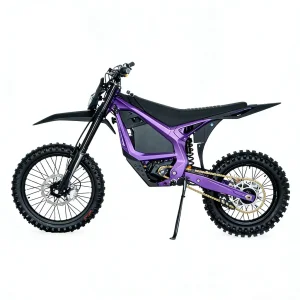
Target Vehicle: 1500W to 35KW Heavy Duty Dirt Bikes & Motorcycles.
Key Features: High-ground-clearance suspension systems, deep-tread knobby off-road tires, torque outputs exceeding 120Nm, rugged steel or forged aluminum alloy swingarms for cross-country terrain.
For importers and distributors seeking market leadership, selecting a China factory that provides end-to-end OEM and ODM services is mandatory. Customized vehicle engineering allows brands to achieve unique product aesthetics, optimized performance specs, and defensible market margins.
From 3D CAD rendering and rapid SLA prototyping to custom plastic injection molds and aluminum extrusion profiles. Private-label partners can lock exclusive regional distribution rights for unique frame geometries.
Modular component options: Select specific battery chemistries (LiFePO4 for longevity vs NMC for energy density), custom controller tuning (curved acceleration vs linear response), and customized color TFT displays.
To optimize import tariffs and reduce international freight costs, factories offer Semi-Knocked Down (SKD) and Completely Knocked Down (CKD) packaging solutions with full technical assembly training documentation.
Essential technical, regulatory, and procurement questions answered by leading industry manufacturing engineers.
Advanced electric mobility solutions featuring app connectivity, high-voltage powertrains, and heavy-duty utility frames.