Direct factory engineering models optimized for commercial rental durability, rapid maintenance, and high payload stability.
Analyzing global commercial expansion, demographic acceleration, and China's dominance in high-reliability electric mobility scooter production.
The global commercial mobility ecosystem is experiencing an unprecedented paradigm shift. Driven by rapid demographic aging across North America, Western Europe, and East Asia, alongside a surging post-pandemic expansion in accessible leisure travel, "Rent A Mobility Scooter" has evolved from a niche medical equipment service into a multi-billion-dollar commercial fleet market. Today, resort conglomerates, international theme parks, cruise operators, municipal transport hubs, and equipment leasing agencies require heavy-duty, ultra-reliable electric mobility scooters capable of continuous multi-shift operations.
As global fleet operators scale their inventory, procurement directors face critical choices regarding chassis durability, battery chemistry, telemetry integration, and Total Cost of Ownership (TCO). China's advanced electric mobility manufacturing hubs—centered in industrial clusters like Zhejiang and Jiangsu—have transformed to meet these demands. By combining Industry 4.0 automation with hyper-integrated supply chains, top-tier Chinese factories offer global buyers unmatched engineering customization, strict international certification compliance (CE, UL, EN12184), and structural resilience engineered specifically for high-frequency rental environments.
Deconstructing search semantics to align factory OEM capabilities with institutional equipment buyer requirements.
In digital search dynamics, queries containing "Rent A Mobility Scooter" exhibit dual intent. While end-consumers seek short-term rentals for medical recovery or vacations, commercial B2B buyers—such as fleet managers, hospital procurement officers, and resort concessionaires—search for manufacturing partners capable of supplying the foundational vehicle fleets that power these rental operations. Understanding this distinction is pivotal for industrial sourcing.
| Engineering Feature | Consumer Personal Mobility Scooter | Commercial Fleet Rental Scooter (OEM Target) |
|---|---|---|
| Daily Operating Cycle | 1 to 3 hours per day (Intermittent use) | 8 to 14 hours per day (Continuous multi-user load) |
| Chassis & Frame Tensile Strength | Standard welded steel / 100kg-120kg payload limit | Reinforced high-yield carbon steel / 150kg-200kg heavy-duty load |
| Battery System & Charging | Fixed Lead-Acid or standard plug-in Lithium-ion | Quick-swappable modular Lithium-ion (UN38.3) with fast-docking BMS |
| Anti-Vandalism & Security | Basic ignition key / plastic body panels | Impact-resistant ABS+PC cladding, keyless RFID, anti-theft telemetry |
| Braking & Safety Controls | Standard electromagnetic brake | Dual-stage auto-regenerative electromagnetic braking with emergency manual release |
| IoT & Fleet Management | None (Standalone operation) | Integrated GPS/GNSS, cellular telematics, CAN-bus API for remote fleet monitoring |
Commercial rental fleets demand structural engineering built for diverse user body types. Chinese OEM factories utilize robotic MIG welding to construct high-yield carbon chassis capable of supporting 180kg+ safely over steep inclines.
Modern rental operators require real-time tracking of battery status, geolocation geofencing, and diagnostic trouble codes (DTC). Direct factory integration of CAN-bus telematics streamlines fleet operations.
Minimize rental downtime with modular sub-assemblies. Toolless battery removal, plug-and-play wiring harnesses, and quick-change solid tires reduce field repair times from hours to under 10 minutes.
Why Zhejiang and Jiangsu hardware manufacturing clusters provide unmatched efficiency, cost competitiveness, and structural quality control.
China's dominance in the electric mobility sector is not merely a product of production volume, but the result of mature industrial ecosystem integration. In specialized manufacturing zones such as Wuyi, Zhejiang, electric scooter production benefits from hyper-localized component sourcing. Frame fabrication, precision motor winding, plastic injection molding, and lithium battery pack assembly occur within a 30-kilometer radius, dramatically shortening product development cycles and minimizing supply chain disruptions.
Ensuring full regulatory alignment across European CE EN12184, US FDA Class II, UL2272, and UN38.3 lithium transport protocols.
For international mobility rental fleet operators, regulatory compliance is non-negotiable. Operating uncertified mobility equipment exposes companies to severe legal liability, insurance voidance, and customs seizures. Leading Chinese manufacturers design products strictly within international safety frameworks from initial CAD modeling through final assembly.
European standards for electrically powered wheelchairs and mobility scooters. Covers static stability, dynamic obstacle climbing, thermal safety, and electromagnetic compatibility (EMC).
Comprehensive electrical system certification evaluating drive train, battery pack, and charger system combination against electrical shock, short-circuit, and fire hazards.
Mandatory hazardous goods transport certification for lithium batteries. Ensures safe global maritime and air freight clearance without customs delays.
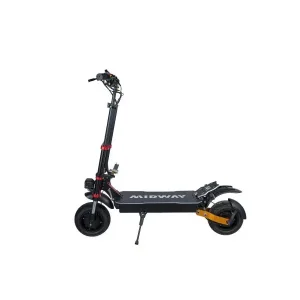
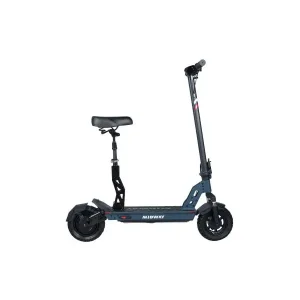
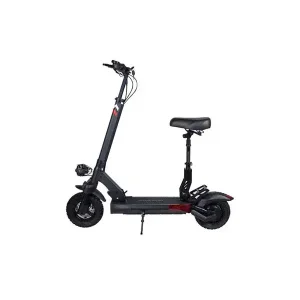
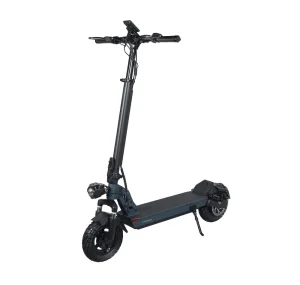
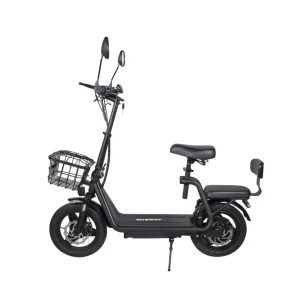
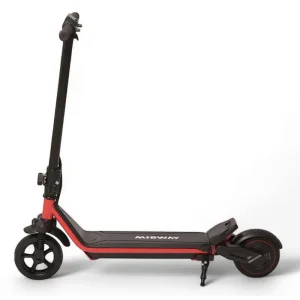
Advanced mobility units engineered for urban commuting, senior rental fleets, and resort venue transport.
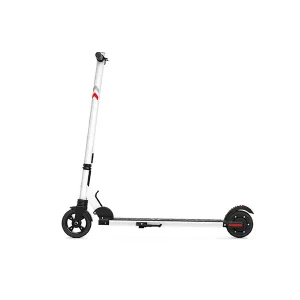
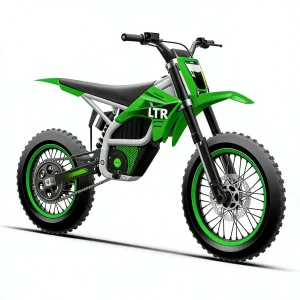
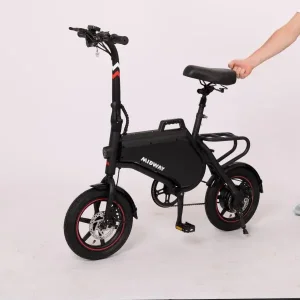
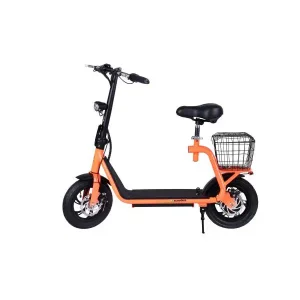
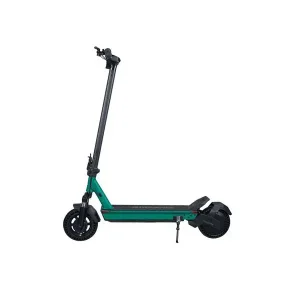
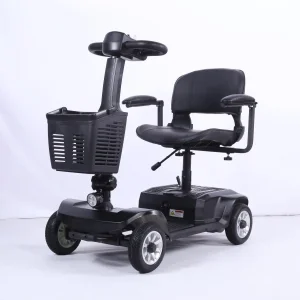
How specialized mobility scooter engineering aligns with high-density commercial rental environments.
Theme parks require mobility rental fleets operating 12+ consecutive hours daily over paved pathways and moderate gradients. Factory customizations include speed governor limits (e.g., 6 km/h cap for pedestrian safety), high-capacity front storage baskets, heavy-duty anti-tip rear wheels, and RFID keyless activation for fast guest rental turnarounds.
Maritime applications demand compact, folding or disassembling mobility scooters that fit through standard ship cabin doorways and gangways. Key manufacturing specifications include corrosion-resistant marine-grade hardware, lightweight aluminum frame alloys, and UN38.3 lithium battery safety clearance for international maritime transport.
Healthcare networks and rehabilitation hubs require mobility units with ultra-smooth acceleration profiles, intuitive delta-tiller steering controls, ergonomic orthopedic memory-foam seating, and non-marking solid rubber tires designed for quiet indoor hospital corridor navigation.
Addressing critical engineering, logistical, and commercial inquiries for global equipment buyers.
Partner with China's premier electric mobility scooter manufacturer. Request detailed technical specifications, factory audit reports, and volume container pricing today.
Request OEM Catalog & Fleet Inquiry