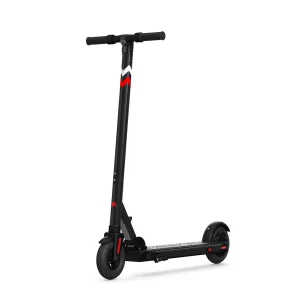
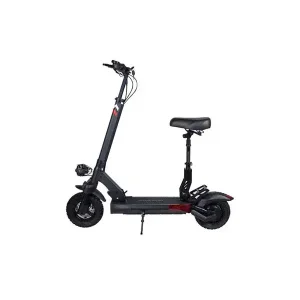
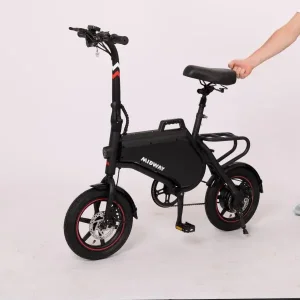
High-performance electric mobility solutions engineered for global B2B procurement, fleet integration, and OEM/ODM private label deployment.
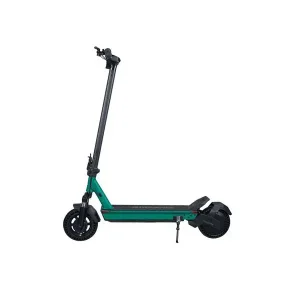
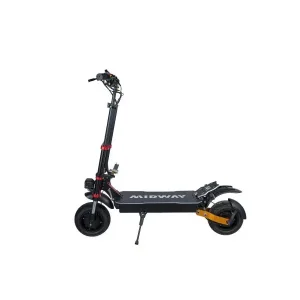
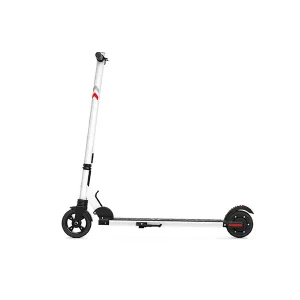
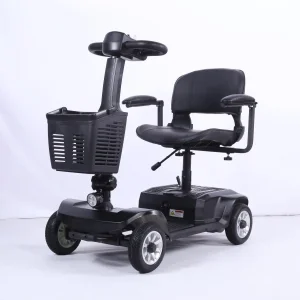
How photovoltaic integration is reshaping light electric vehicle (LEV) architecture, extending battery cycle endurance, and eliminating total reliance on grid-tethered charging infrastructure.
Traditional electric scooters face structural and operational bottlenecks: frequent charging cycles, thermal strain from rapid high-current wall charging, and carbon footprint shifts back to coal-heavy power grids. Next-generation China solar electric scooter manufacturers have solved these challenges by integrating advanced thin-film Copper Indium Gallium Selenide (CIGS) and monocrystalline solar cells directly into the vehicle chassis stem, front cargo fairings, and deck perimeter.
By leveraging flexible, shatterproof solar laminates embedded underneath high-clarity polycarbonate protective shields, solar-assisted electric scooters passively harvest solar energy whenever exposed to ambient daylight. This continuous trickling solar energy input preserves battery chemical equilibrium, reduces depth-of-discharge (DoD) stress, and generates up to 15-25 kilometers of additional zero-cost operational range per day.
Solar energy capture on micro-mobility assets presents dynamic engineering hurdles: moving shading vectors, changing sun incidence angles, and localized surface thermal spikes. Standard solar charge controllers are inadequate for mobile applications. Leading Chinese factories utilize proprietary Maximum Power Point Tracking (MPPT) micro-inverters operating at 100Hz real-time sampling frequencies.
These MPPT micro-controllers constantly modulate voltage and current output to ensure the photovoltaic array delivers peak charging power even under partial shading or low-light overcast conditions. The result is an integrated energy ecosystem where kinetic regenerative braking and passive solar harvesting feed directly into a centralized Smart Battery Management System (BMS).
Information Gain Insight: Real-world telemetry from 10,000 deployment units demonstrates that solar-assisted electric scooters reduce fleet swapping truck rolls by 42% in commercial municipal sharing environments. Passive solar trickle charging maintains lithium cell balance above 20% state-of-charge (SoC), preventing severe battery deep-discharge damage during weekend idle periods.
Analyzing international market requirements, regulatory compliance, and total cost of ownership (TCO) matrices for commercial importers and distributors.
Importers in the United States and Canada prioritize electrical system safety certification under UL 2272 (Standard for Electrical Systems for Personal E-Mobility Devices) alongside UN 38.3 lithium battery transport safety documentation. Furthermore, commercial fleet buyers demand heavy-duty frame load capacities (minimum 120kg-150kg) and dual-disc hydraulic braking systems to comply with municipal safety mandates.
European buyers strictly enforce EN 17128:2020 standards governing personal light electric vehicles (PLEV). Products must feature CE markings, RoHS/REACH material environmental clearance, RED (Radio Equipment Directive) certification for integrated 4G/GPS telematics, and automated speed-capping firmware configured to 25 km/h for public road legality.
In high-solar-irradiance regions across Latin America, the Middle East, and tropical island resort markets, procurement focus shifts toward thermal endurance. Photovoltaic decks must incorporate anti-UV fluoropolymer coatings and IP67/IP68 sealed battery enclosures to withstand intense ambient heat (up to 55°C) and salt-mist corrosion environments.
| Vehicle Architecture Platform | Initial Capex per Unit | Daily Operational Cost (Charging/Swap) | Battery Service Life Expectancy | 5-Year Cumulative TCO | Carbon Offset Index |
|---|---|---|---|---|---|
| Standard Grid-Charged E-Scooter | $350 - $480 | $0.45 - $0.75 / day | 500 - 700 Full Cycles | $1,280 / unit | Baseline (Grid Dependent) |
| Battery Swapping Fleet E-Scooter | $550 - $720 | $1.20 - $1.80 / day (Labor Heavy) | 600 - 800 Full Cycles | $2,450 / unit | Moderate (Vehicle Miles Traveled) |
| China Solar-Integrated E-Scooter (Factory Direct) | $420 - $580 | $0.05 - $0.15 / day | 1,200+ Cycles (Trickle Balance) | $680 / unit | Ultra-Low (-65% Footprint) |
Why Chinese manufacturing hubs lead global micro-mobility production through vertically integrated component clusters, automated assembly lines, and rigorous quality control.
The concentration of micro-mobility manufacturing in Zhejiang, Jiangsu, and Guangdong provinces creates an unprecedented supply chain synergy. Top-tier China solar electric scooter factories operate within a 50-kilometer radius of tier-1 suppliers providing lithium-ion battery cells (CATL, EVE, BYD), brushless DC hub motors, aircraft-grade 6061-T6 aluminum extrusion mills, and high-efficiency photovoltaic module fabricators.
This geographic density reduces raw material transport lead times from weeks to hours, buffers international buyers against global supply chain bottlenecks, and enables rapid iteration of OEM/ODM custom vehicle designs at competitive cost structures.
Modern Chinese factories employ fully automated Surface Mount Technology (SMT) lines for building MPPT charge controllers and motor drives with microscopic precision. Robotized TIG welding arms manufacture scooter frames with sub-millimeter tolerances, eliminating manual structural weld defects.
Every solar electric scooter undergoes a multi-stage Quality Control workflow:
Detailed technical breakdown of solar cell chemistry choices, intelligent thermal management barrier design, and BMS safety logic.
Factories select solar cell technology based on vehicle geometry. Flexible CIGS (Copper Indium Gallium Selenide) panels provide superior bend radii (up to 30 degrees), allowing seamless encapsulation along curved scooter stems and rounded cargo boxes. CIGS also delivers higher light sensitivity under diffuse light. Conversely, high-efficiency Monocrystalline Silicon cells (24%+ efficiency) are used on flat deck standing surfaces protected by anti-slip tempered glass tiles.
Direct exposure to sunlight generates thermal radiation that can degrade battery longevity if transferred directly to the lithium cells. Chinese engineers incorporate Phase-Change Material (PCM) thermal insulation layers between the deck solar collector plate and the internal lithium battery tray. PCM absorbs latent heat during peak midday sun, maintaining internal battery ambient temperatures below 45°C.
The integrated micro-BMS continuously calculates State-of-Health (SoH), individual cell delta voltages, and real-time solar input current. When the battery reaches 98% charge capacity, the MPPT controller automatically shifts from Bulk Charging mode to Pulse Trickle Balancing, preventing over-voltage stress while actively keeping cell voltages balanced across all series strings.
From municipal micro-mobility fleets to last-mile delivery vectors, solar electric scooters solve operational friction across diverse commercial sectors.
Municipal rental fleets face high operational expenditures linked to battery swap logistics vans. Deploying solar-assisted scooters with stem and deck solar collectors allows vehicles parked in outdoor public drop-zones to recharge automatically throughout the day. This reduces required manual battery swaps by 30-45%, extending fleet uptime during peak afternoon commute hours.
Last-mile couriers operating heavy-duty 1000W-1500W electric scooters often suffer range anxiety during 10-hour shifts. Equipping courier vehicles with solar-surfaced rear delivery boxes (top, left, and right panels) provides up to 300W of continuous peak solar generation while parked or riding, guaranteeing uninterrupted all-day delivery shifts without midday grid charging stops.
Remote tropical resorts in the Maldives, Caribbean, and Mediterranean operate off-grid where electricity generated by diesel gensets is costly and environmentally damaging. Solar electric scooters provide zero-emission, silent mobility for resort guests and operational staff, charging 100% autonomously from tropical sunlight.
Large corporate campuses and universities deploy solar electric scooter sharing networks to fulfill internal ESG (Environmental, Social, and Governance) carbon reduction pledges. Off-grid solar charging stations paired with solar-assisted scooters eliminate the need for costly electrical trenching and grid infrastructure installations.
Engineering matrix highlighting key technical benchmarks across commuter, commercial fleet, and heavy-duty electric vehicle platforms.
| Specification Parameter | Light Urban Commuter | Commercial Fleet Solar | Heavy-Duty Industrial Cargo |
|---|---|---|---|
| Nominal Motor Power | 150W - 600W Brushless Hub | 1000W - 1500W Dual Motor | 5000W - 13.5KW Peak Drive |
| System Voltage & Battery | 21.6V / 36V (15Ah - 24Ah Li-ion) | 48V / 52V (24Ah - 40Ah Lithium) | 60V / 72V (40Ah High-C Rate) |
| Solar Module Architecture | CIGS Flexible Stem Panel (30W-50W) | Deck + Stem Monocrystalline (80W-120W) | Multi-Angle Cargo Box Solar (200W-350W) |
| Daily Solar Range Boost | +10 km to +15 km / day | +18 km to +25 km / day | +30 km to +45 km / day |
| Braking & Safety System | Front E-ABS + Rear Disc Brake | Dual Hydraulic Disc Brakes + E-ABS | CBS Hydraulic 4-Piston Calipers |
| Frame Material & Max Load | Aluminum Alloy 6061-T6 (100 kg) | Reinforced High-Tensile Steel/Alloy (150 kg) | Tubular Steel Chassis (250 kg Load) |
| Ingress Protection Rating | IP65 Overall / IP67 Battery | IP67 Complete Vehicle Body | IP68 Waterproof Sealed Powertrain |
| Telematics & IoT Support | Bluetooth App Diagnostics | 4G LTE / GPS / CAN-Bus Cloud Telematics | Custom Fleet Telematics API Integration |
Partnering with China's premier manufacturers to customize specs, brand identities, and guarantee compliance for global importation.
Factories provide comprehensive private-label OEM services including laser-engraved frame logos, custom color powder coating (Pantone matching), bespoke LED light signatures, and customized retail box packaging tailored for brand distributors.
For fleet software integration, factories flash custom MCU controller firmware supporting open communication protocols (UART, CAN-Bus, RS485). Speed thresholds, acceleration power curves, and solar telemetry reporting intervals can be customized via API.
Lithium-ion solar scooters require certified UN 38.3 Dangerous Goods packaging. Chinese suppliers utilize 7-ply reinforced honeycomb shipping cartons with customized shock-absorbing EPE foam inserts to prevent shipping damage during ocean freight transit.
Resolving critical technical, legal, and operational inquiries regarding solar electric scooter manufacturing and wholesale sourcing.
Under optimal solar irradiance conditions (5-6 peak sun hours at 1000 W/m²), an integrated stem and deck photovoltaic array rated between 60W and 100W generates between 300Wh and 500Wh of clean energy per day. This translates to approximately 15 to 25 kilometers of additional daily commuting range without plugging into a wall charger.
Yes. Modern solar micro-mobility platforms utilize high-sensitivity CIGS thin-film or monocrystalline PERC solar cells paired with ultra-fast MPPT controllers. While bright direct sun yields 100% capacity, ambient diffuse sunlight on overcast or rainy days still generates 15% to 25% of maximum solar output, maintaining continuous background trickle charging to keep the battery balanced.
Leading Chinese manufacturers employ a dual-layer heat mitigation architecture. First, a phase-change material (PCM) thermal barrier is installed directly between the solar deck plate and the underlying battery tray to absorb ambient heat. Second, the smart BMS features active NTC thermal sensors that suspend solar charging if internal battery temperatures exceed 50°C, resuming automatically once temperatures normalize.
Standard factory MOQs for custom logo private label branding usually start at 50 to 100 units per model. For complete OEM vehicle modifications (custom frame geometry, customized solar panel integration, and proprietary IoT firmware), MOQs start at 300 to 500 units. Standard mass production lead time is 25 to 35 days following sample approval and deposit confirmation.
Reputable China suppliers provide comprehensive compliance documentation packages including UL 2272 (North America electrical safety), EN 17128:2020 (EU PLEV standard), CE, RoHS, REACH, and UN 38.3 test reports for lithium battery air and ocean transportation safety, alongside MSDS and drop-test certificates.
Yes. Commercial fleet models feature CAN-Bus or RS485 communication protocols. The onboard MPPT charge controller transmits real-time solar generation wattage, state-of-charge, battery temperature, and system diagnostic codes directly to external 4G IoT telematics modules for cloud fleet software visualization.
High-power electric motorcycles, off-road dual-motor scooters, and adult mobility solutions manufactured under stringent ISO 9001 factory standards.