High-performance micro-mobility platforms engineered for commercial durability, retail distribution, and urban commuting environments.
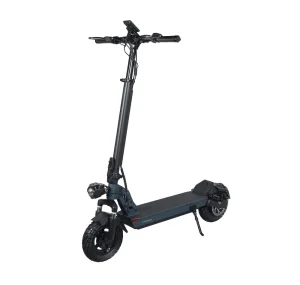
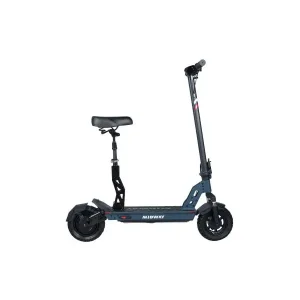
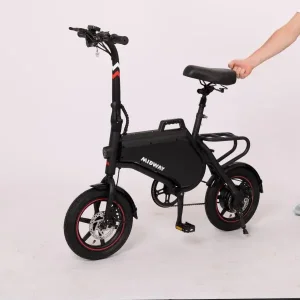
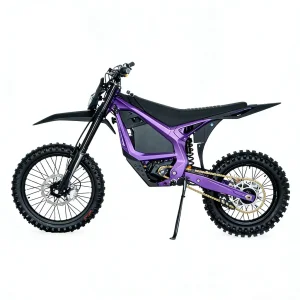
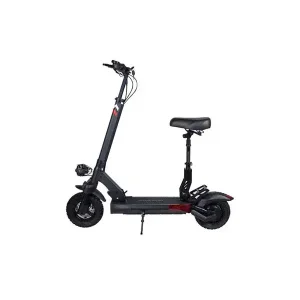
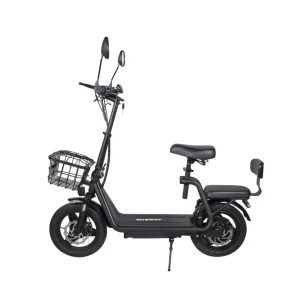
An in-depth structural analysis of light electric vehicle (LEV) procurement trends, battery chemistry shifts, and localized compliance pressures across North America, Europe, and Asia-Pacific.
The global transition toward decentralized, zero-emission urban transport has accelerated the demand for light electric vehicles (LEVs)—specifically electric bicycles, kick-scooters, and specialized electric mobility vehicles. According to industry intelligence forecasts, the global micro-mobility market size is projected to expand from $55.4 billion in 2023 to over $180 billion by 2032, exhibiting a compound annual growth rate (CAGR) of 14.2%. This structural expansion is driven by escalating urban congestion, stringent municipal zero-emission zones (ZEZ), and a paradigm shift in enterprise last-mile logistics.
Shared mobility operators and last-mile logistics providers demand high-cycle chassis capable of enduring 15,000+ kilometers of aggressive usage, forcing factories to upgrade frame metallurgy and weather-proofing standards.
Direct manufacturer integration eliminates middle-tier broker margins. Scalable OEM contracts enable regional distributors to achieve gross profit margins exceeding 38% while maintaining competitive retail pricing.
Strict enforcement of safety certifications—such as EN 17128 in Europe and UL 2272 in North America—requires wholesale buyers to partner exclusively with audit-verified, certified manufacturing plants.
For high-volume importers, sourcing from established hardware manufacturing hubs—such as Wuyi and Jinhua in Zhejiang Province—offers distinct industrial network advantages. The regional cluster consolidates precision CNC machining, brushless DC motor winding, automated surface-mount technology (SMT) for controller PCBs, and robotic lithium-battery assembly within a 50-kilometer radius. This industrial density reduces supply chain lead times by up to 35% compared to fragmented assembly setups.
Mitigating supply chain risks through rigorous component selection, structural fatigue testing, and systematic quality assurance (QA) protocol implementation.
A tier-one electric scooter specification standard requires strict component verification:
To guarantee commercial reliability, factory production lines must subject units to comprehensive physical stress validations before container loading:
| Strategic Metric | White-Label / Standard OEM | Custom ODM Co-Development | Enterprise Fleet Customization |
|---|---|---|---|
| Tooling & NRE Expense | Zero (Existing Molds) | Moderate to High ($15k - $50k) | High ($30k - $100k+) |
| Lead Time to Market | Fast (15 – 25 Days) | Medium (60 – 90 Days) | Structured (90 – 120 Days) |
| Branding Customization | Silk-screen logo, custom colorways | Custom frame geometry & plastics | Integrated IoT module, custom app, fleet lock |
| Minimum Order Quantity (MOQ) | 50 – 100 Units | 500 – 1,000 Units | 1,000+ Units |
| Target Buyer Profile | Regional Retailers & E-commerce Sellers | Established Mobility Brands | Municipal / Commercial Operators |
Integrating next-generation powertrain dynamics, intelligent thermal management, and IoT cloud telemetry into modern electric scooter platforms.
Field-Oriented Control (FOC) algorithms optimize phase current switching, providing whisper-quiet motor operation, linear torque acceleration curves, and 12% extended battery range through regenerative braking.
Advanced Battery Management Systems monitor individual cell voltages, temperature gradients, and charge-discharge rates. Features dual thermal cut-offs and real-time state-of-health (SOH) diagnostic reporting.
Constructed with heat-treated 6061-T6 aluminum alloy chassis. Delivers an optimal balance of low kerb weight and high structural yield strength capable of supporting payloads up to 150 kg.
Seamless customs clearance and market legitimacy through rigorous certification adherence across key importing jurisdictions.
Navigating global regulatory landscapes requires meticulous documentation and compliance testing. Non-compliant e-mobility imports risk border seizure, heavy fines, or recall liability. Direct factory supply relationships ensure that products come pre-certified with authentic lab testing reports from accredited bodies (SGS, TUV, Intertek).
Specialized electric mobility solutions designed for high-load capacity, off-road applications, and senior transportation independence.
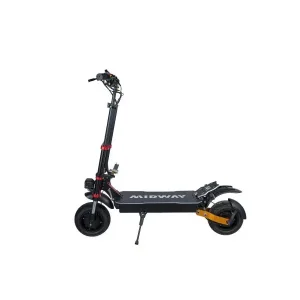
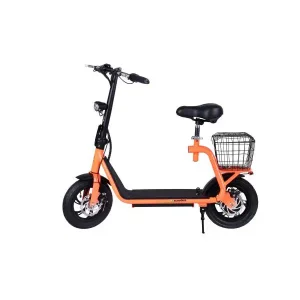
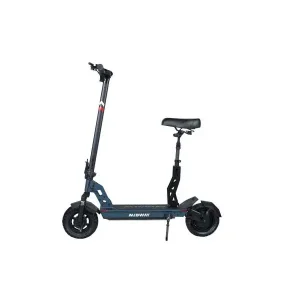
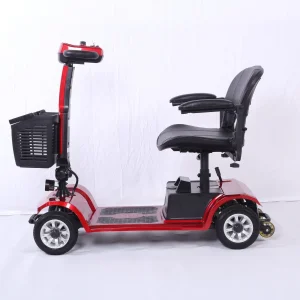
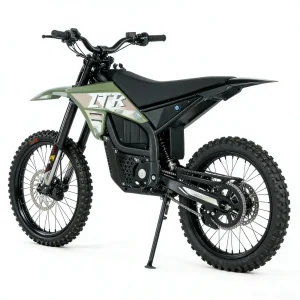
Protecting importer profitability through robust after-sales frameworks, modular maintenance designs, and structured warranty fulfillment.
Scooters feature plug-and-play waterproof wiring harnesses, external controller bays, and quick-swap battery modules, reducing technician repair time down to under 15 minutes per unit.
Every bulk container order includes complimentary high-wear spare parts packages—including extra tires, inner tubes, brake pads, throttles, and display dashboards—preventing local stockouts.
Direct access to bilingual factory technicians for troubleshooting BMS firmware, controller mapping, and custom app integration, supported by comprehensive video documentation.
Authoritative technical answers addressing critical sourcing, manufacturing, and logistics considerations for B2B partners.
For standard OEM production (utilizing verified stock frames and existing certified components), factory lead time is typically 20 to 25 calendar days following receipt of deposit. Custom ODM orders involving new mold development, bespoke frame geometry, or tailored firmware require approximately 45 to 60 days for sample sign-off and pilot production runs.
All lithium-ion battery assemblies undergo UN 38.3 vibration, thermal shock, and external short-circuit testing. Products are shipped under Class 9 Dangerous Goods (DG) protocols with individual UN-certified hazard packaging, safety fire-retardant liners, and official MSDS (Material Safety Data Sheet) compliance files for seamless maritime carrier acceptance.
Our baseline MOQ for silk-screen brand printing and custom carton packaging starts at 50 to 100 units per model. Custom frame color anodization or specific powder coating finishes require an MOQ of 200 units. For full app SDK branding and custom IoT firmware, MOQs are negotiable based on annual contract volume commitments.
To legally distribute e-scooters in the EU, products must comply with EN 17128:2020 (PLEV safety standard), the CE Machinery Directive 2006/42/EC, Low Voltage Directive (LVD), and EMC Directive. Furthermore, battery packs must be RoHS 2.0 compliant. For road-legal electric motorcycles, full EEC type-approval certificate documentation is required.
Utilizing Grade-A ternary lithium (NMC) cells, our battery systems deliver 800 full charge-discharge cycles while maintaining over 80% of original nominal capacity. For heavy commercial or fleet applications, we offer Lithium Iron Phosphate (LiFePO4/LFP) options that achieve 2,000 to 3,000 cycles under standard operating conditions.
