High-demand electric scooters, mobility vehicles, and electric motorcycles manufactured under ISO9001 and certified for international export.
An empirical evaluation of youth micro-mobility trends, regulatory shifts, and commercial demand vectors shaping B2B sourcing strategies worldwide.
The global market for juvenile micro-mobility, specifically focused on children's electric scooters, has transitioned from toy-grade novelties to highly engineered, safe, and regulated personal electric vehicles (PEVs). Driven by modern parental emphasis on outdoor physical recreation, technological familiarity among Generation Alpha, and the rapid miniaturization of high-efficiency brushless DC (BLDC) motors, global B2B demand has reached unprecedented historical highs.
For international procurement directors, retail chain buyers, and brand OEMs, navigating the ecosystem of Wholesale Childrens Electric Scooters Manufacturers & Manufacturer options requires a nuanced understanding of regulatory compliance, structural mechanical integrity, and battery safety architecture. The contemporary market demands products that bridge the gap between playful engagement and absolute physical security.
Market studies indicate a compound annual growth rate (CAGR) of over 12.4% for light youth electric vehicles through 2030. Key growth hubs include North America (driven by suburban park culture), Western Europe (catalyzed by expanding micro-mobility infrastructure), and East Asia. To capture market share, B2B importers cannot rely on generic trading intermediaries; direct alliance with specialized Chinese manufacturing hubs offering true technological transparency is paramount.
How Zhejiang and Wuyi hardware manufacturing clusters deliver unparalleled cost-to-performance efficiency and technical agility for global B2B procurement.
The concentration of precision light-electric vehicle manufacturing in Wuyi, Zhejiang Province, represents the pinnacle of industrial supply chain integration. Unlike fragmented overseas assembly operations, Chinese enterprise manufacturers benefit from localized component ecosystems: precision aluminum alloy extruders, automated motor copper winding plants, custom injection molding operations, and lithium-ion battery pack assembly facilities all operating within a 30-kilometer radius.
This geographic density drastically reduces lead times from initial component forging to final assembly validation. Importers partnering with direct wholesale children's electric scooters manufacturers gain access to dynamic production scaling. Whether adapting frame geometry for ergonomics or deploying custom firmware speed limits, Chinese factories deliver prototypes in days rather than months.
To eliminate product failure rates in retail markets, elite manufacturers implement a multi-tier Quality Assurance (QA) protocol. Every youth electric scooter undergoes systematic stress testing prior to container loading:
| Testing Phase | Engineering Evaluation Criteria | Standard Applied | Target Quality Threshold |
|---|---|---|---|
| Frame Stress Testing | Pneumatic 100kg cyclical load fatigue on folding joint | ISO 4210 / EN 17128 | Zero structural hairline fractures after 100,000 cycles |
| BMS & Battery Testing | Thermal runaway simulation, overcharge & drop test | UN 38.3 / IEC 62133 | 100% voltage balancing & zero ignition risk |
| Waterproofing Check | High-pressure IPX4/IPX5 water spray on motor hub & deck | IEC 60529 | Zero liquid ingress to electrical controller box |
| Riding Calibration | Automated dyno roller test for electronic speed limiting | ASTM F963-17 | Strict acceleration curve limits (Max 8-15 km/h) |
Analyzing end-user environments and operational deployment contexts for youth electric scooters across global distribution channels.
Key engineering shifts shaping the next generation of children's electric scooter manufacturing.
While traditional Lithium Nickel Manganese Cobalt (NMC) batteries dominate adult electric mobility due to higher energy density, progressive wholesale children's electric scooters manufacturers are increasingly offering Lithium Iron Phosphate (LiFePO4) battery packs. LiFePO4 chemistry provides exceptional thermal and chemical stability, virtually eliminating fire risks under severe impact or overcharging. Furthermore, LiFePO4 batteries deliver over 2,000 to 3,000 charge cycles compared to 500 cycles for standard NMC cells, vastly extending product lifespan for consumer brands.
Next-generation models incorporate Bluetooth Low Energy (BLE) connectivity connected to parental control smartphone applications. Parents can dynamically establish top-speed thresholds (e.g., locking speed at 6 km/h for beginner riders and unlocking up to 14 km/h as confidence grows), monitor real-time battery status, set geofenced riding boundaries, and remotely disable the motor in emergency scenarios. Factory integration of BLE controllers gives B2B brand owners a powerful technological differentiator in retail environments.
Legacy youth scooters utilized harsh square-wave electronic speed controllers (ESC) that produced sudden, jarring motor engagement, frequently causing novice riders to lose balance. Modern factory engineering has adopted 32-bit Sinusoidal FOC controllers. FOC technology provides whisper-quiet operation, ultra-smooth acceleration ramps, and regenerative braking efficiency—ensuring a smooth, controlled riding experience tailored specifically to developing motor skills in young children.
A major bottleneck for importers has historically been warranty handling and after-sales maintenance. Advanced factory designs now utilize modular plug-and-play wiring looms with waterproof IP67 quick-connectors. Component replacements—such as thumb throttles, LED display consoles, electronic brake levers, or battery modules—can be completed in under 10 minutes without specialized technical expertise, dramatically reducing warranty claim overheads for global distributors.
A structured framework for international buyers to evaluate factory capability, manage shipping logistics, and guarantee landed product profit margins.
Procuring electric vehicles at scale involves complex operational calculations beyond simple unit FOB pricing. To maximize Return on Investment (ROI) and safeguard market reputation, enterprise sourcing officers must systematically execute a four-stage supplier auditing process:
A major friction point in international trade is battery transport documentation. Professional wholesale children's electric scooters manufacturers provide comprehensive Dangerous Goods (DG) documentation packages, including MSDS (Material Safety Data Sheet), UN38.3 summary reports, drop test compliance documentation, and sea transport safety certificates (IMDG code compliance), guaranteeing smooth customs clearance at destination ports.
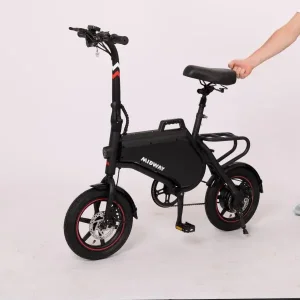
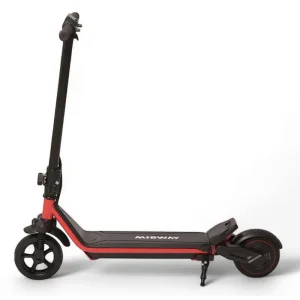
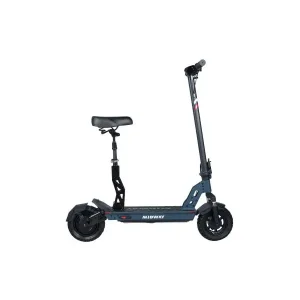
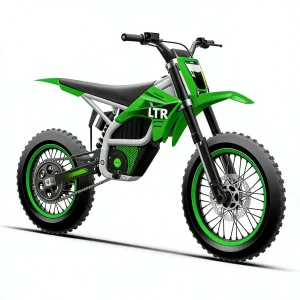
Discover our comprehensive collection of electric scooters, senior mobility vehicles, and high-power electric motorcycles ready for global distribution.
Clear, authoritative responses regarding safety certifications, minimum order quantities, custom branding, and shipping compliance.
