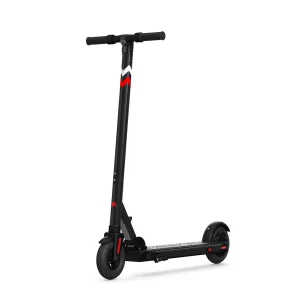
Factory-direct electric scooters, high-torque Citycoco units, and mobility solutions engineered for global enterprise distributors.
Analyzing the macro-environmental forces driving wide-tire electric vehicle adoption across commercial fleets, municipal transport networks, and personal mobility sectors.
The global micro-mobility ecosystem is experiencing a structural paradigm shift driven by urban decarbonization mandates, rising fuel costs, and the urgent need for last-mile logistics efficiency. At the forefront of this transformation is the Citycoco mobility scooter—a distinct class of electric vehicle characterized by ultra-wide fat tires, high-torque brushless hub motors, and heavy-duty tubular chassis architecture.
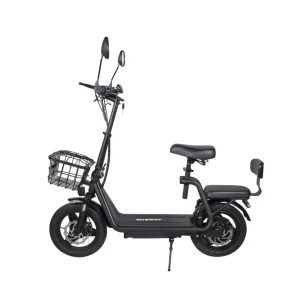
Unlike conventional lightweight electric kick scooters or traditional narrow-wheel mopeds, Citycoco mobility scooters bridge the critical operational gap between low-speed personal mobility devices and highway-capable electric motorcycles. Their unique center-of-gravity distribution, coupled with massive contact patches provided by 18-inch to 225-mm wide pneumatic tires, offers unprecedented stability, payload handling, and multi-terrain capability.
From a B2B procurement perspective, the market expansion of Citycoco mobility scooters is fueled by three distinct commercial segments:
Shared mobility operators and last-mile delivery providers in European and North American metropolitan areas require vehicles with minimal maintenance requirements. Citycoco models, featuring direct-drive hub motors and fewer mechanical moving parts, deliver a drastically reduced Total Cost of Ownership (TCO).
Coastal resorts, eco-tourism parks, and island rental fleets favor the Citycoco architecture due to its user-friendly handling. The low seat height and wide tires allow inexperienced riders to operate the vehicle with confidence across sandy, gravelly, or paved paths.
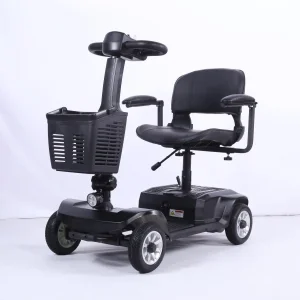
As populations age in Europe and East Asia, there is an escalating demand for stylish, non-stigmatized mobility scooters. Three-wheel and wide-base Citycoco variants provide exceptional balance, enabling seniors and individuals with reduced mobility to maintain independence.
Why Zhejiang’s manufacturing hubs serve as the global nexus for electric vehicle engineering, component integration, and cost optimization.
When sourcing wholesale Citycoco mobility scooters, international buyers consistently prioritize Chinese manufacturers—specifically those clustered in the hardware and vehicle manufacturing zones of Wuyi and Yongkang in Zhejiang province. China’s competitive dominance in the electric two-wheeler sector is not merely a product of labor availability; it is grounded in an unmatched industrial ecosystem that offers distinct operational efficiencies:
Within a 50-kilometer radius in Zhejiang, manufacturers have direct access to specialized Tier-1 suppliers for seamless tube bending, robotized welding, custom tire moulding, brushless motor winding, and Lithium-ion Battery Management System (BMS) fabrication. This ultra-dense supply cluster eliminates international shipping delays for component sub-assemblies, reducing production lead times from months to days.
China manufactures over 70% of the world’s lithium battery cells. Domestic scooter factories directly integrate automotive-grade ternary lithium (NMC) and Lithium Iron Phosphate (LiFePO4) pouch and 18650/21700 cells into standard scooter chassis. Paired with high-efficiency copper-wound permanent magnet synchronous hub motors (PMSM), Chinese suppliers achieve optimal power density and thermal dissipation at scalable price points.
Factory Efficiency Insight: Vertically integrated factories like WuYi YueMa Leisure Articles Co., Ltd. utilize automated robotic arm frame welding, computer-controlled electrostatic powder coating, and automated end-of-line dyno testing. This ensures that every Citycoco unit rolling off the line complies with structural integrity, electrical insulation, and braking tolerance specifications mandated by EU EEC/COC and US DOT standards.
Evaluating how different global industries leverage Citycoco and mobility scooters for specialized commercial utility.
The operational versatility of Citycoco mobility scooters stems from their unique geometry. Below is an examination of key global application scenarios where commercial enterprises deploy these vehicles:
Navigating dense traffic corridors in European hubs (e.g., Amsterdam, Paris, Barcelona) requires zero-emission, agile transport. EEC/COC homologated 1500W–3000W Citycocos equipped with turn signals, side mirrors, and VIN plates act as legal road scooters, allowing commuters to bypass gridlock and reduce parking footprints.
In Mediterranean, Caribbean, and Southeast Asian tourist destinations, rental operators utilize customized Citycoco fleets. Features like dual removable lithium battery packs (60V 20Ah x2) allow instant battery swapping, keeping rental units operational 24/7 without long charging downtime.
E-commerce and food delivery services in urban hubs install heavy-duty rear cargo racks, insulated delivery boxes, and reinforced double hydraulic rear shocks on Citycoco frames. High-torque 2000W+ hub motors effortlessly handle 15-degree incline climbs while carrying heavy loads.
Large manufacturing plants, airports, military bases, and university campuses utilize quiet, wide-tire mobility scooters for security personnel. The wide footprint provides low ground pressure, preventing turf damage on golf courses and green spaces.
Deconstructing the powertrain, battery telemetry, and structural engineering standards of modern Citycoco mobility scooters.
The technology behind Citycoco scooters has evolved far beyond early single-speed prototypes. Current commercial models integrate automotive-grade smart technologies designed to maximize safety, extend range, and withstand rigorous commercial daily use.
| Feature Category | Standard Commercial Citycoco | High-Performance Electric Scooter | Senior Accessibility Mobility Unit |
|---|---|---|---|
| Motor Power Rating | 1500W – 3000W Brushless Hub Motor | 4000W – 10000W PMSM Mid/Hub Motor | 180W – 500W Differential Gear Motor |
| Battery Architecture | 60V 20Ah / 30Ah Lithium-ion Pack | 72V 40Ah – 50Ah High-Rate Lithium | 21.6V – 48V Sealed Lead Acid / Lithium |
| Braking System | Front & Rear Hydraulic Disc Brakes | Dual Hydraulic Disc + Electronic ABS | Automatic Electromagnetic Braking |
| Tire Dimensions | 18x9.5-8 / 225/55-8 Tubeless Fat Tires | 10-inch to 14-inch Off-Road Tubeless | 8-inch Solid or Pneumatic Anti-Tip |
| Max Speed Range | 45 km/h – 65 km/h (EEC Restricted) | 80 km/h – 120 km/h | 6 km/h – 15 km/h |
| Regulatory Approval | EEC, COC, CE, DOT compliant | CE, UN38.3, RoHS | CE Medical, ISO13485 compliant |
A strategic guide for wholesale buyers, importers, and brand owners evaluating OEM/ODM manufacturing partnerships in China.
To successfully navigate international trade, mitigate supply chain risks, and guarantee local market compliance, enterprise procurement teams must evaluate potential supplier partners against four critical pillars of quality assurance:
For European distribution, scooters must hold EEC (European Community Whole Vehicle Type Approval) and deliver a Certificate of Conformity (COC) specifying motor wattage, VIN coding, noise ratings, and speed limitations. Furthermore, lithium battery packs must carry UN38.3 certification alongside MSDS documentation to permit legal ocean and air freight transport globally.
Tier-1 factory suppliers provide full original equipment manufacturing (OEM) capabilities. Importers should verify factory capabilities regarding customized frame colors (RAL matching), laser-etched brand logos, custom handle bar grips, tailored LCD instrument cluster splash screens, and specialized packaging engineered to survive drop-tests.
A reliable supplier relationship depends on long-term after-sales support. Enterprise buyers must negotiate spare parts allocation—typically requesting a 2% to 3% wearing-parts package (controllers, brake pads, throttles, inner tubes) bundled with container shipments, backed by 12 to 24-month warranties on motors and lithium batteries.
Prior to issuing a purchase order, buyers should request third-party factory audits (e.g., SGS, TÜV, Bureau Veritas) or review internal quality control processes. Key manufacturing checkpoints include frame vibration stress testing, battery pack salt-spray corrosion testing, waterproof IP rating validation (IP65 for connectors), and final road testing.
Addressing essential technical, legal, and logistical inquiries regarding Citycoco mobility scooter procurement.
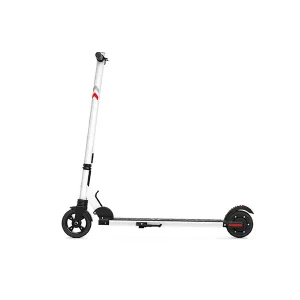
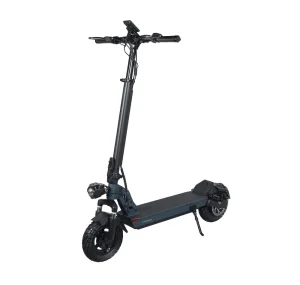
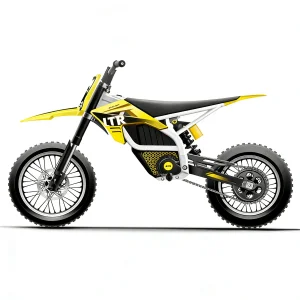
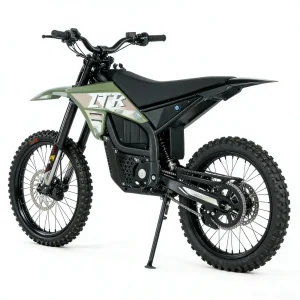
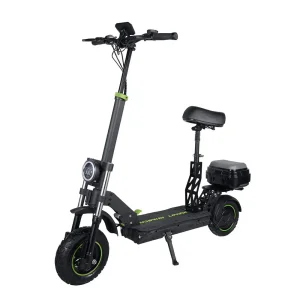
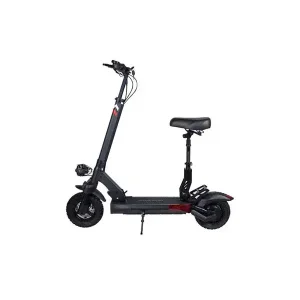
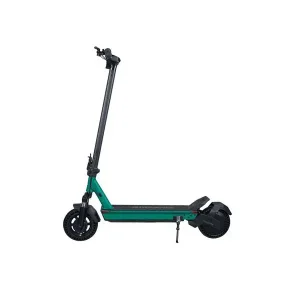
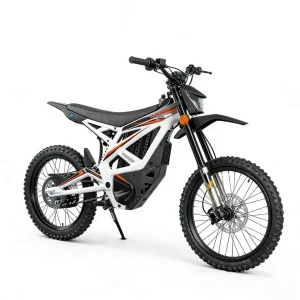
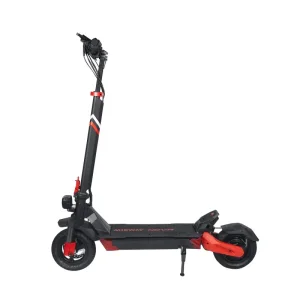
Browse our expanded catalog of factory-direct electric scooters, folding models, and high-wattage electric motorcycles available for bulk order.
Strengthening global supply chains through certified engineering, vertical integration, and factory-direct pricing.
As the demand for eco-friendly, robust micro-mobility solutions continues to expand across European, American, and Asia-Pacific markets, selecting the right manufacturing partner is vital. WuYi YueMa Leisure Articles Co., Ltd. combines over 20 years of specialized production expertise with a 34,000 m² state-of-the-art facility to deliver OEM/ODM excellence in Citycoco mobility scooters, folding electric scooters, and high-power electric motorcycles.
By controlling every step of the production cycle—from frame cutting and robotic welding to BMS integration and end-of-line testing—we ensure that every vehicle meets rigorous international standards (CE, EEC, COC, UL, UN38.3). Contact our engineering and sales export teams today to request custom catalog pricing, discuss MOQ tiers, or initiate factory audit inspections.