Direct factory supply models engineered for high-performance urban commuting, off-road applications, and commercial fleet deployments.
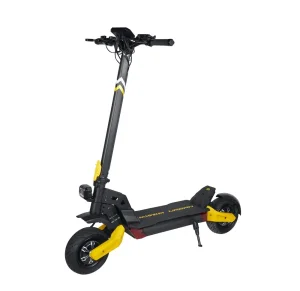
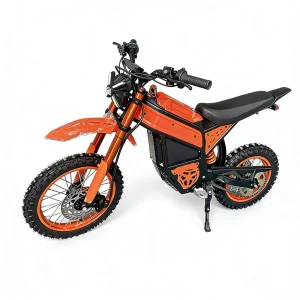
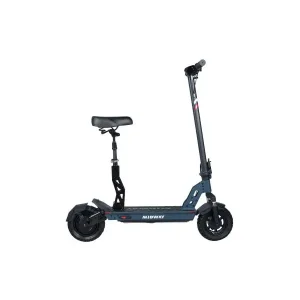
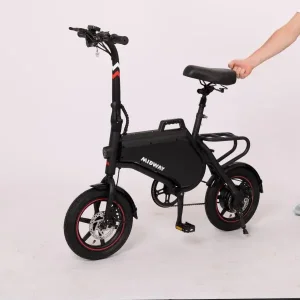
Analyzing the structural shift from standard 2-wheel fat-tire e-scooters to stable, high-payload 3-wheel Citycoco trike platforms across global B2B procurement networks.
The global light electric vehicle (LEV) market is undergoing a significant architectural expansion. While traditional two-wheel personal mobility scooters have dominated the micro-mobility sector for over a decade, commercial enterprise buyers, municipal operators, and regional distributors are increasingly demanding enhanced vehicle stability, higher payload limits, and broader user demographic accessibility. This demand shift has propelled the Citycoco Trike—a three-wheeled, wide-tire electric vehicle—to the forefront of modern B2B fleet procurement.
Unlike standard two-wheel electric scooters that rely heavily on rider balance and active body steering, three-wheel Citycoco trikes integrate dual-rear wheel axles or differential gearbox configurations. This structural dynamic fundamentally alters the center-of-gravity (CoG) vector, virtually eliminating low-speed tip-overs and reducing rider fatigue during prolonged operational shifts. For commercial fleet operators, this translates directly into reduced insurance liability, lower accident rates, and vastly expanded operational viability in dense urban centers, hilly terrains, and expansive industrial campuses.
Information Gain Insight: Modern B2B procurement of Citycoco trikes is no longer driven strictly by consumer novelty. It is anchored in precise fleet Total Cost of Ownership (TCO) calculations, modular cargo attachment versatility, and rigid regional compliance (such as European EEC L5e/L2e-P categories and US DOT exemptions).
Evaluating macro market growth, regional demand drivers, and commercial deployment models across Europe, North America, LATAM, and Asia-Pacific.
The EU market represents the highest-value tier for wholesale Citycoco trikes. Strict Euro 5 motorcycle category regulations govern L2e-P (three-wheel mopeds) and L5e (three-wheel tricycles). Importers require EEC (European Community Whole Vehicle Type Approval) and COC (Certificate of Conformity) documentation, alongside EN17128 safety certification for electronics and battery circuits.
Demand across the United States and Canada focuses heavily on last-mile delivery, private resort transportation, and golf course operations. Compliance centers on DOT/NHTSA vehicle classification, UL2272 electrical system safety standard, and UN38.3 lithium battery transport certification. B2B buyers emphasize 60V 2000W to 72V 4000W motor variants capable of handling steep inclines.
In Latin America and Southeast Asia, Citycoco trikes are rapidly replacing petrol-powered light delivery vehicles due to surging fuel costs and aggressive zero-emission urban mandates. Importers prioritize ruggedized chassis frames, heavy-duty rear hydraulic shocks, and modular dual-battery compartments to extend range past 100km per charge cycle.
Deconstructing the core mechanical, electrical, and digital engineering subsystems that define industrial-grade Citycoco trike manufacturing.
Commercial Citycoco trikes utilize two primary drive systems: Direct-Drive Brushless Hub Motors (BLDC) fitted directly into the rear wheels, or a centralized Brushless PMSM Motor coupled with a mechanical rear differential axle assembly. The differential setup dynamically varies wheel rotation speed during cornering, eliminating tire scrub and vastly improving turning radius and vehicle stability at speed.
The industry technical roadmap is moving decisively toward high-density LiFePO4 (Lithium Iron Phosphate) and advanced NMC (Nickel Manganese Cobalt) pouch cell configurations. Modern BMS units feature CAN-bus communications, passive cell balancing, over-charge/over-discharge protection, thermal cutoffs, and IP67 waterproof enclosure ratings, ensuring over 1,500 full charge cycles under rugged daily commercial use.
High-grade trikes utilize seamless robotic-welded carbon steel tubular frames (38mm-45mm tube diameters). Hydraulic combined braking systems (CBS) featuring triple 220mm ventilated disc brakes with multi-piston calipers provide linear stopping power. Front inverted hydraulic fork suspension paired with rear dual spring-over-oil dampers absorb severe road impacts while preserving rider control.
Exploring targeted commercial deployment environments where Citycoco trikes deliver maximum operational ROI.
With low-emission zones (LEZs) proliferating in major global metros, courier services use cargo-fitted Citycoco trikes. Equipped with rear 150L-300L thermal insulated storage boxes, these trikes navigate narrow alleyways and pedestrian plazas inaccessible to delivery vans.
Coastal resorts, island tourist destinations, and national parks lease fleets of wide-tire Citycoco trikes. The 225mm wide tubeless tires effortlessly glide over loose sand and gravel, while the low center-of-gravity ensures high safety for inexperienced tourist riders.
Large manufacturing compounds, port facilities, and warehouse hubs employ heavy-duty trikes for maintenance personnel transit, tool transport, and internal inventory movement, dramatically reducing downtime across multi-acre sites.
For aging demographics desiring independent personal mobility without the medical appearance of traditional mobility scooters, low-step-through Citycoco trikes offer a stylish, stable, and empowering alternative for community travel.
Why the Wuyi & Yongkang industrial hardware cluster in Zhejiang Province serves as the dominant global hub for electric trike production.
Global B2B procurement of electric vehicles depends heavily on supply chain density, raw material access, component standardisation, and rapid turn-around times. China's Zhejiang province—specifically the industrial corridor spanning Wuyi and Yongkang—produces over 70% of the world's fat-tire electric mobility vehicles. Sourcing directly from OEM/ODM factories within this cluster yields distinct competitive advantages:
Leading suppliers maintain full in-house capabilities: robotic frame bending and welding, automated electrostatic powder coating lines, SMT controller assembly, wire harness looming, and computerized dyno testing. This eliminates multi-tier middleman markups and preserves total quality traceability.
Proximity to tier-1 motor manufacturers, battery pack assembly facilities, hydraulic brake suppliers, and tire vulcanization plants minimizes component lead times. Critical replacement parts are readily accessible for high-volume orders and ongoing warranty support.
Established Chinese factories support complete private-label branding, customized chassis color matching (RAL codes), battery capacity tailoring, controller programming (speed/acceleration curves), and specialized packaging for CKD (Completely Knocked Down) or SKD (Semi-Knocked Down) shipping.
Mitigating risk for international importers through rigorous testing, global certification, and structured warranty pipelines.
All export-grade Citycoco trikes must undergo rigorous laboratory testing. Ensure your supplier provides valid CE, RoHS, Machinery Directive (MD), and Low Voltage Directive (LVD) certificates. For North America, electrical chargers and battery systems must hold UL2272 / UL2271 listings.
Lithium-ion battery packs are classified under UN3480 / UN3481 Class 9 Dangerous Goods. Reliable manufacturers issue complete UN38.3 test reports, Material Safety Data Sheets (MSDS), and Air/Sea Transport Safe Certificates required by ocean carriers and customs brokers.
Tier-1 OEM suppliers support B2B distributors with structured warranty programs (typically 12-24 months for frame and motor, 12 months for lithium battery packs) and supply 2%-3% wear-and-tear spare parts (brake pads, levers, switches, tires) free of charge with full container load (FCL) shipments.
Explore additional high-demand models, fast-chargers, app-connected scooters, and long-range electric motorcycles.
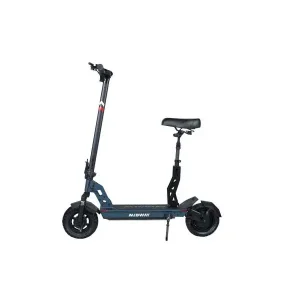
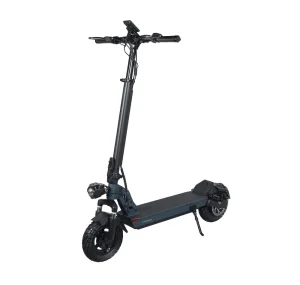
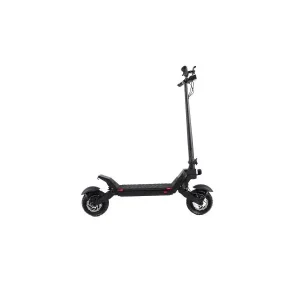
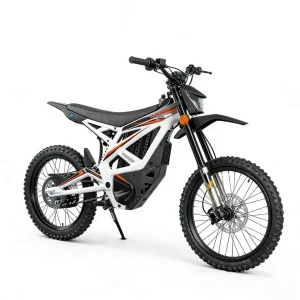
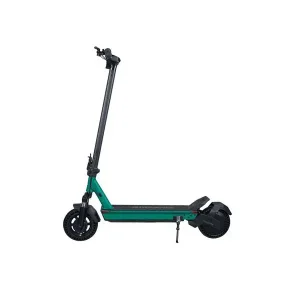
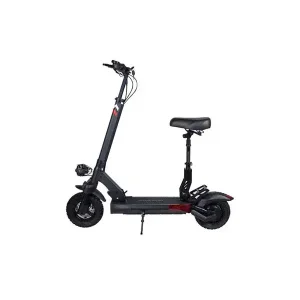
A standardized workflow for international distributors sourcing wholesale Citycoco trikes from OEM manufacturers.
Define operational requirements: target speed limits, gradeability (climbing angle), battery chemistry (NMC vs LiFePO4), load capacity, EEC homologation needs, and custom logo/color requirements.
Order sample evaluation units to test real-world battery range under load, frame rigidity, hydraulic braking response, dynamic turning stability, and local road legal compliance.
Conduct online or on-site factory audit (ISO9001 compliance, IQC/FQC inspection processes). Upon deposit, mass assembly commences with batch quality testing on dyno benches.
Maximize freight efficiency. Standard 40ft High Cube (HQ) containers accommodate approximately 38-42 assembled Citycoco trikes or up to 75-90 units in SKD metal-crate packaging.
Addressing key operational, technical, legal, and financial questions for commercial trike procurement.
