Explore our top-tier manufacturing output featuring high-torque hub motors, robust frame engineering, and advanced lithium battery management systems (BMS).
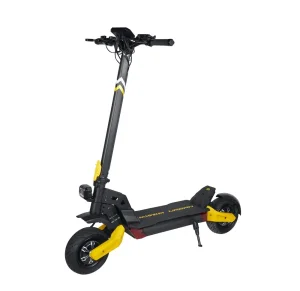
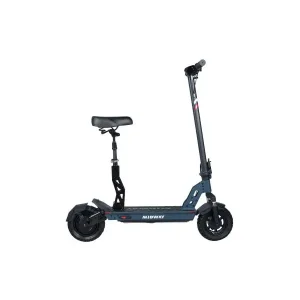
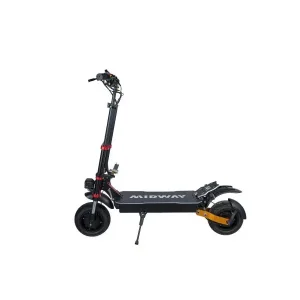
Navigating the shift toward zero-emission urban micro-mobility, strict regulatory frameworks, and advanced factory-level OEM/ODM customization.
The global electric personal mobility sector is experiencing a paradigm shift driven by urban congestion, stringent municipal carbon regulations, and rapid advancements in energy storage technology. Search queries surrounding Wholesale E Wheels Electric Scooter Suppliers & Factories reflect an increasingly sophisticated buyer profile. Global buyers are no longer seeking generic consumer products; enterprise importers, mobility fleet operators, and regional distributors now demand high-gain technical clarity, verifiable certification standards, and direct factory transparency.
In accordance with Google’s Search Quality Rater Guidelines (E-E-A-T: Experience, Expertise, Authoritativeness, and Trustworthiness), this whitepaper consolidates over two decades of front-line OEM/ODM manufacturing expertise. Our objective is to provide actionable engineering insights, technical comparison frameworks, and strategic procurement methodologies that streamline global supply chain integration.
Procuring electric scooters at scale requires navigating complex regional regulatory landscapes. Failure to verify regulatory compliance before issuing a purchase order can lead to customs seizures, hefty compliance fines, and catastrophic brand reputational damage. Below is an overview of the mandatory certifications required for major destination markets:
| Region / Market | Mandatory Standard | Technical Scope & Focus Area | Factory Testing Requirement |
|---|---|---|---|
| European Union | EN 17128:2020 / CE-MD | Mechanical strength, speed limits (25 km/h), electronic stability, thermal safety | Dynamic structural fatigue, IPX5/IPX7 ingress testing, braking performance |
| North America | UL 2272 / ANSI | Electrical system safety, battery pack single-cell thermal runaway prevention | Overcharge, short circuit, crush, impact, and drop safety validation |
| Global Transport | UN 38.3 / MSDS | Lithium battery air/sea freight safety regulations | Altitude simulation, thermal test, vibration, shock, external short circuit |
| Environmental Compliance | RoHS 2.0 / REACH | Hazardous substance restriction in plastics, wiring, and soldering alloys | XRF chemical analysis, material composition verification |
Why Zhejiang and Guangdong manufacturing ecosystems represent the benchmark for global E-mobility supply chains.
Manufacturing clusters in Wuyi, Yongkang, and Shenzhen consolidate raw materials, precision CNC machining, brushless motor winding, and PCB assembly within a 50 km radius, reducing component lead times by up to 60%.
Automated robotic welding lines and standardized component tooling minimize labor overheads. Scale economies allow Chinese factories to deliver superior power-to-weight ratios and component grades at competitive B2B price points.
From custom controller algorithm tuning (Field-Oriented Control / Sine-Wave vector drivers) to custom frame mold development, Chinese manufacturers offer flexible engineering adaptors for private-label brand positioning.
The structural integrity of an electric scooter or light electric motorcycle hinges on chassis metallurgy and thermal safety engineering. Leading Chinese export facilities utilize 6061-T6 aviation-grade aluminum alloys and high-tensile carbon steel for high-impact load zones. Robotically TIG-welded joints undergo ultrasonic non-destructive testing (NDT) to prevent structural fatigue under sustained dynamic loads.
Simultaneously, the battery enclosure represents the heart of vehicle safety. Premium factory production integrates intelligent Battery Management Systems (BMS) featuring real-time cell balancing, passive/active thermal management, dual-stage overcurrent protection, and IPX7 waterproof casing to prevent moisture ingress and thermal runaway.
Matching specialized vehicle architectures to targeted global commercial and consumer use cases.
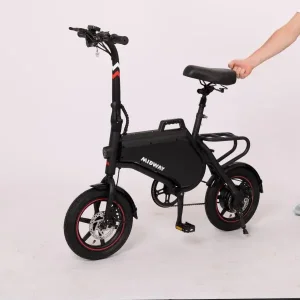
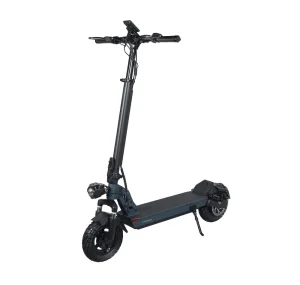
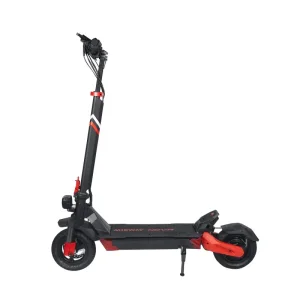
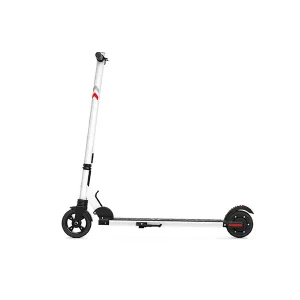
Vehicle Specs: 600W – 1200W Motors, 48V/52V Lithium Packs, Lightweight Folding Frames.
Market Fit: European & North American urban commuters navigating high-density transit corridors.
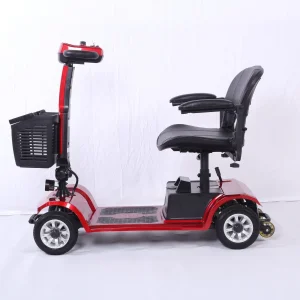
Vehicle Specs: 250W – 600W Low-RPM Transaxle Motors, 24V Systems, Electromagnetic Braking.
Market Fit: Medical supply distributors, senior living communities, and specialized mobility retail chains.
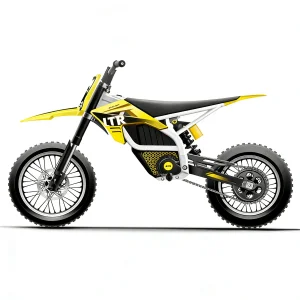
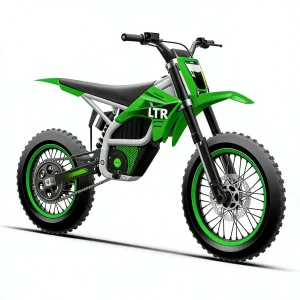
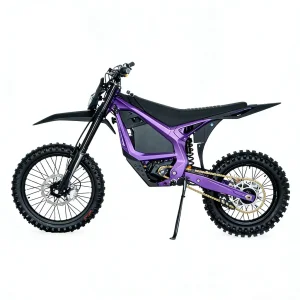
Vehicle Specs: 4000W – 35kW High-Voltage (96V) Motors, Dual Hydraulic Suspension, Knobby Tires.
Market Fit: Adventure parks, recreational sports hubs, and premium high-performance power sports dealers.
Vehicle Specs: Heavy-Duty Rear Racks, Swappable 60V Battery Architecture, Integrated IoT/GPS Telematics.
Market Fit: On-demand delivery platforms, postal services, and commercial fleet operators.
A systematic evaluation framework designed for procurement managers to mitigate import risks and maximize long-term ROI.
Selecting the right supplier when sourcing E Wheels Electric Scooters requires evaluating a manufacturer's production ecosystem, quality control standards, and financial viability. Below is our 4-Step Factory Inspection Checklist developed through decades of industry operations:
Verify that the factory performs strict screening on raw components: lithium battery cell internal resistance matching, motor hall sensor bench testing, and aluminum extrusion purity analysis.
Audit automated assembly line operations. Ensure torque-calibrated screwdrivers are used on structural fasteners, and verify 100% water-tightness testing on electronic enclosures.
Every finished vehicle must undergo full-throttle dyno testing, automated brake distance measurement, high-vibration stress simulation, and complete IP grade spray chamber verification.
Beyond FOB unit prices, procurement executives must analyze door-to-door shipping parameters. Partnering with suppliers experienced in dangerous goods (DG Class 9 Lithium Battery) logistics ensures compliance with maritime conventions and prevents unexpected port demurrage fees.
Additionally, establishing a spare parts buffer (3% to 5% standard consignment stock containing controllers, displays, throttle assemblies, and brake pads) ensures localized warranty fulfillment and maintains high end-user satisfaction scores.
Expert answers to common engineering, regulatory, logistics, and wholesale purchasing inquiries.
Complete product lineup optimized for global distribution networks, commercial fleets, and specialty retail channels.