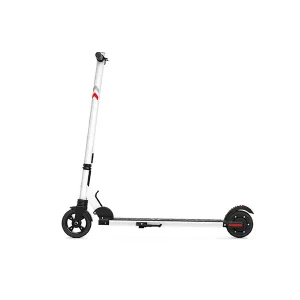
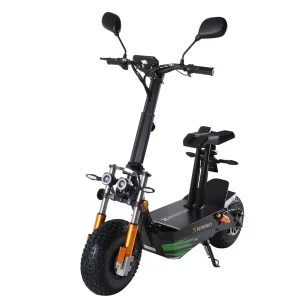
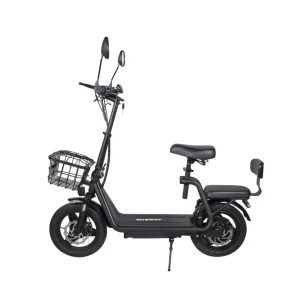
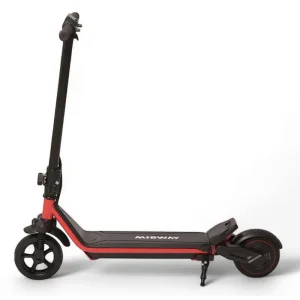
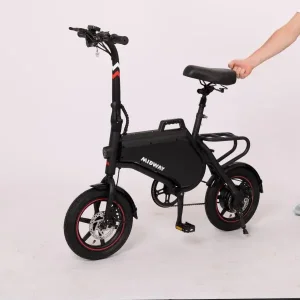
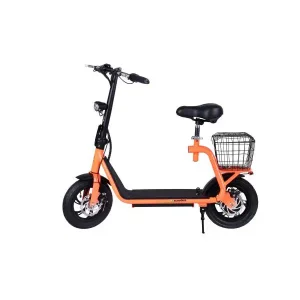
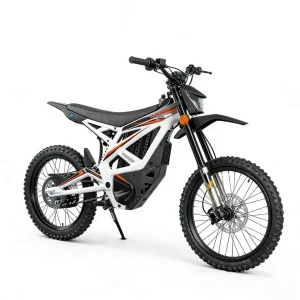
Explore our industrial-grade lineup of electric scooters, Citycoco fat-tire models, and high-voltage electric motorcycles engineered for global B2B importers and commercial fleets.
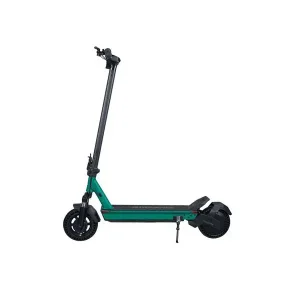
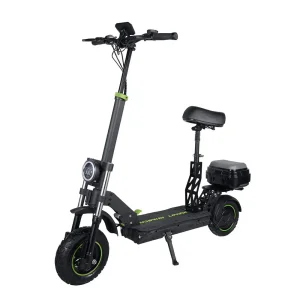
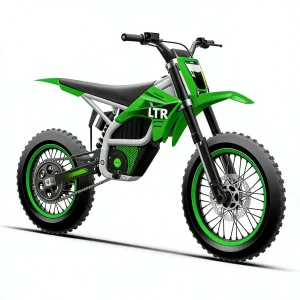
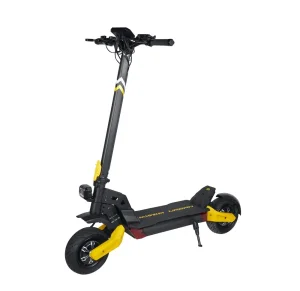
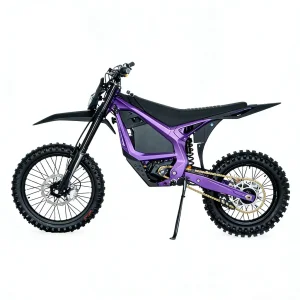
Analyzing macroeconomic drivers, supply chain consolidation, and manufacturing cost architectures across global electric vehicle (EV) ecosystems.
The global micro-mobility sector has underwent a structural transformation, evolving from a consumer leisure market into a crucial pillar of urban transportation and enterprise logistics. As corporate buyers, fleet operators, regional distributors, and e-commerce brand owners evaluate procurement channels, understanding the underlying wholesale electric scooter cost structure becomes paramount for maximizing profit margins and ensuring long-term operational viability.
A original equipment manufacturer (OEM) wholesale electric scooter pricing model is determined primarily by five core sub-assemblies. The Bill of Materials (BOM) directly dictates the Free on Board (FOB) quotation price provided by tier-1 China suppliers. Below is an engineering-level breakdown of cost distribution in standard 48V to 60V commercial e-scooters:
| Component Group | Percentage of Total BOM Cost | Primary Technical Drivers | Impact on Wholesale FOB Unit Price |
|---|---|---|---|
| Lithium-Ion Battery Pack | 35% – 45% | Cell chemistry (LFP vs. NMC), Grade A/B classification, BMS smart communications (CAN-bus, 4G IoT). | High ($70 – $220+ based on capacity Ah) |
| Powertrain (Motor & Controller) | 18% – 22% | Wattage rating (150W to 5000W+), BLDC hub motor design, Sine wave FOC vector controller efficiency. | Medium-High ($35 – $140) |
| Structural Frame & Body | 15% – 20% | Aviation-grade 6061-T6 aluminum alloy vs. high-carbon steel, CNC machining, robotic welding quality. | Medium ($25 – $80) |
| Braking & Suspension System | 8% – 12% | E-ABS regenerative braking, hydraulic oil disk brakes vs. mechanical cable drum brakes, hydraulic dampening. | Moderate ($15 – $45) |
| Electronics, Tires & Finishing | 8% – 12% | Pneumatic off-road tires, IP67 waterproof wiring harness, color LED dashboard, automated assembly/testing. | Moderate ($15 – $40) |
Because battery cells account for nearly half of the unit cost, fluctuations in raw lithium carbonate (Li2CO3) market spot prices directly correlate with wholesale quotes. Working with a vertically integrated OEM manufacturer that maintains long-term contracts with cell suppliers (e.g., CATL, EVE, Panasonic, LG) hedges distributors against unexpected price spikes during peak production seasons.
Technological advancement, stringent international compliance standards, and sustainable manufacturing practices are changing supply chain dynamics.
Strict adherence to European standard EN 17128:2020 and North American UL 2272 / UL 2271 electrical safety guidelines is mandatory. Higher compliance costs are offset by reduced product recall risks and seamless custom clearances for B2B importers.
Lithium Iron Phosphate (LiFePO4) is replacing traditional ternary NMC cells in commercial e-scooters. LFP offers 2,000+ thermal charge cycles (vs. 800 for NMC), reducing total operational cost per kilometer for delivery and sharing fleets despite slightly lower energy density.
Modern wholesale scooters incorporate 4G IoT telematics modules directly wired to controller systems. This enables real-time GPS tracking, remote battery health telemetry, OTA firmware updates, and geofencing capabilities straight from factory production lines.
Matching technical motor wattage, voltage configurations, and battery capacities to specific regional buyer intents and commercial operations.
Targeted at everyday urban commuters, office workers, and retail customers seeking lightweight, foldable electric kick scooters.
Engineered for public rental operators, municipal sharing programs, and campus transportation systems requiring heavy-duty durability.
Tailored for couriers, gig-economy drivers, and commercial logistics companies navigating dense metropolitan environments.
Designed for sports, off-road rental tracks, rural terrain commuting, and high-speed electric motorcycle enthusiasts.
Examining technological innovations in motor efficiency, battery structural design, and automated factory manufacturing processes.
The manufacturing efficiency of electric vehicles depends heavily on motor controller dynamics and thermal management. Modern OEM factories are moving away from traditional square-wave controllers to advanced Field-Oriented Control (FOC) sine-wave vector controllers. FOC controllers deliver smooth acceleration, reduce acoustic motor noise by up to 15 dB, and boost energy conversion efficiency to over 92%.
Eliminating modular intermediate casings directly integrates battery cells into the scooter deck frame. CTP increases volumetric energy density by 15-20%, reducing raw material manufacturing costs while providing a lower center of gravity for improved rider stability.
By recapturing kinetic energy during braking events and converting it back into chemical energy inside the lithium battery, integrated E-ABS systems extend real-world commuting range by 6% to 10% without increasing battery cell count.
Factory automation utilizes 6-axis robotic welding arms for chassis construction. Automated ultrasonic flaw detection and dynamic fatigue testing (up to 300,000 vibration cycles under load) ensure zero frame breakage rates in the field.
How B2B buyers can optimize land-in wholesale costs, protect brand margins, and conduct factory audits.
When importing wholesale electric scooters from China suppliers, the base FOB quote represents only part of your final landed expenditure. Importers must calculate the complete equation:
Landed Unit Cost = FOB Factory Price + Ocean/Rail Freight Per Unit + Import Customs Tariffs + Local Port Handling + Insurance & Certificate Amortization
By partnering with experienced manufacturers offering **SKD (Semi Knocked Down)** or **CKD (Completely Knocked Down)** packaging options, distributors can reduce shipping volume space requirements by up to 35%, dramatically lowering ocean freight cost per unit during high-tariff cycles.
Before committing to large-scale wholesale production orders, enterprise procurement managers should evaluate suppliers against a rigorous 6-step factory verification framework:
Direct technical and financial insights for commercial buyers, importers, and e-scooter wholesale managers.
Wholesale costs are primarily driven by battery cell brand and capacity (NMC vs. LFP, Ah rating), motor output wattage (350W up to 35kW), controller sophisticatedness (sine wave FOC vs square wave), frame material (6061 aluminium alloy vs steel), braking systems (hydraulic disc vs drum), and international certification compliance (CE, UL 2272, EN 17128).
Standard OEM production MOQs typically start at 50 to 100 units for standard factory models. For custom branding (custom logo, specialized color painting, custom packaging, and custom BMS software programming), MOQs usually range between 200 to 500 units or one full 20ft container load.
Lithium battery packs are classified as Class 9 Dangerous Goods. To legally clear customs in North America and Europe, shipments require UN38.3 test summary reports, MSDS (Material Safety Data Sheets), and certified sea/air freight transport safety certificates. UL 2271 (battery pack) and UL 2272 (full vehicle electrical system) are mandatory for major North American retailers.
Yes. Responsible manufacturers recommend allocating a 2% to 3% spare parts buffer on every wholesale container order. Common high-wear components include pneumatic tires, inner tubes, brake pads, throttle assemblies, LED lights, display dashboards, and replacement chargers.
Standard factory production lead time is 25 to 35 days following deposit confirmation and sample approval. Lead times may fluctuate slightly based on battery cell supply chain availability and seasonal manufacturing peaks prior to global holidays.
SKD (Semi Knocked Down) means scooters are shipped 85-90% pre-assembled; buyers only attach handlebars and front wheels. CKD (Completely Knocked Down) ships all parts completely unassembled, significantly reducing volume freight costs and local import tariffs if local assembly facilities exist.
Browse our expanded collection of brushless motor e-scooters, mobility solutions, Citycoco models, and heavy-duty electric motorcycles.