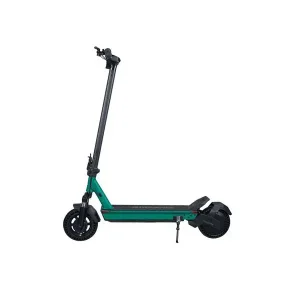
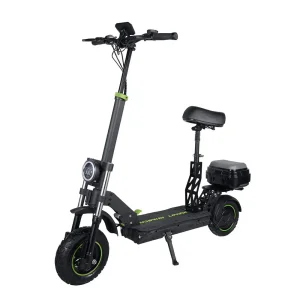
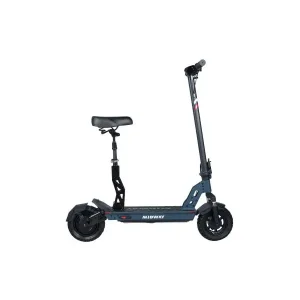
High-efficiency, factory-direct electric personal mobility solutions engineered for international commercial compliance and wholesale distribution.
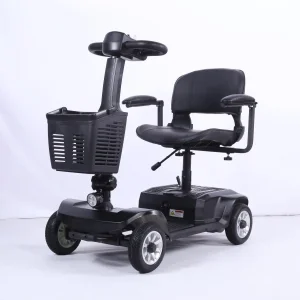
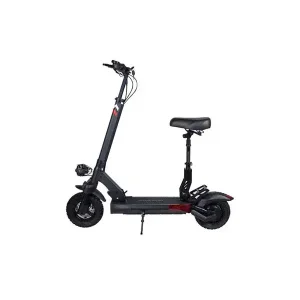
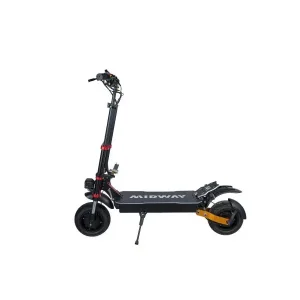
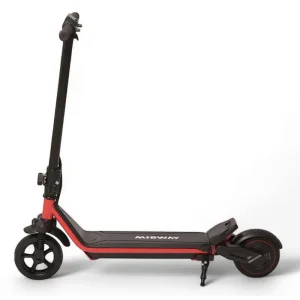
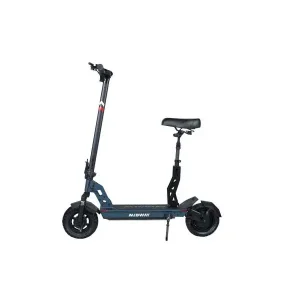
Understanding market penetration, regulatory shifts, and commercial demand for light electric vehicles (LEVs) across primary global jurisdictions.
The global light electric vehicle (LEV) market has transitioned from an emerging eco-conscious alternative into a core pillar of modern municipal transportation infrastructure and commercial logistics networks. Driven by aggressive zero-emission mandates, skyrocketing urban congestion metrics, and shifting consumer preferences toward last-mile efficiency, the global market for electric scooters, mobility vehicles, and heavy-duty electric motorbikes is expanding at an unprecedented Compound Annual Growth Rate (CAGR) exceeding 8.5% through 2030.
For B2B buyers, fleet operators, regional importers, and white-label brands, navigating the sourcing ecosystem requires an in-depth understanding of how global commercial dynamics intersect with industrial manufacturing output. Sourcing "wholesale free electric scooters"—referring to unbranded, OEM-ready, customizable electric platform mobility units—provides commercial importers with unprecedented flexibility to capture local market share without incurring redundant R&D costs.
Driven by strict EN 17128 safety standards, European buyers prioritize battery safety (CE, RoHS), IPX5+ water resistance ratings, and precise dual-braking configurations. Demand centers heavily on 250W–600W commuter models and specialized senior mobility scooters.
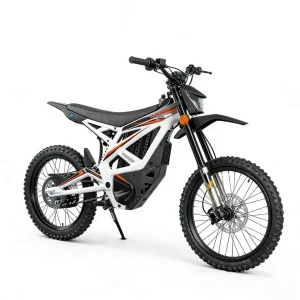
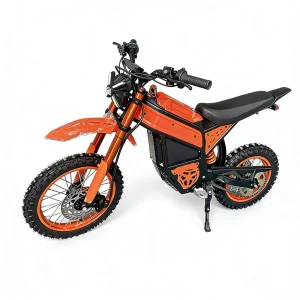
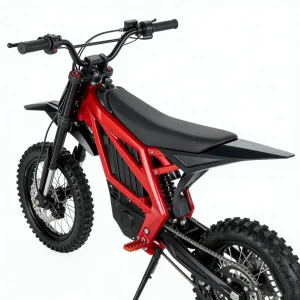
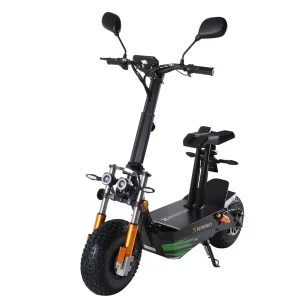
The North American marketplace exhibits strong growth in multi-motor high-wattage units (1000W–5000W), Citycoco fat-tire leisure cruisers, and off-road dirt bikes. Safety certification under UL 2272 is now a critical barrier to entry for tier-1 distributors.
Across Latin America, Southeast Asia, and the Middle East, electric scooters are heavily deployed for last-mile delivery fleets and affordable personal commuting. Importers favor rugged steel/aluminum hybrid frames with high ROI lifecycle specs.
Analyzing the structural advantages of Wuyi and Zhejiang hardware manufacturing clusters: vertical integration, unit economics, and automated QA.
The global dominance of Chinese electric scooter suppliers is not merely a product of labor efficiency; it is the result of an unprecedented hyper-dense industrial supply chain ecosystem. Regions like Wuyi, Yongkang, and the broader Zhejiang province possess complete local industrial clusters that supply 100% of sub-tier components within a 50-kilometer radius.
This geographic concentration of specialized suppliers—spanning precision aluminum die-casting, automated CNC frame welding, Surface Mount Technology (SMT) for motor controllers, and lithium-ion Battery Management System (BMS) integration—allows direct manufacturers to minimize lead times and eliminate transatlantic supply chain friction.
By producing frames, brushless hub motors, and wiring harnesses in-house, tier-1 Chinese factories strip out middleman margins, offering wholesale buyers unmatched price-to-performance ratios.
State-of-the-art Chinese suppliers utilize modular chassis platforms. Importers can easily mix and match motor wattages (150W to 5000W), battery chemistries, and display electronics.
Modern factories utilize automated dyno testing rigs, salt-spray corrosion chambers, chassis vibration fatigue testers, and 100% computerized battery cell balancing checkouts prior to packaging.
With high-capacity automated production lines, leading suppliers can scale output from 500 units per month to 15,000+ units per month with consistent build quality and predictable shipping windows.
Information Gain Insight: Sourcing directly from Zhejiang-based manufacturers yields an estimated 28% to 42% cost reduction compared to regional trading intermediaries, while providing direct engineering access for bespoke structural modification and localized branding.
Mapping specific electric mobility hardware architectures to commercial, municipal, personal, and industrial use-cases.
To maximize retail sell-through or fleet ROI, wholesale buyers must align vehicle hardware specifications with precise operational environments. The term "free electric scooter" in the enterprise procurement space denotes base-level modular chassis platforms ready for full OEM adaptation across five primary commercial verticals:
| Application Scenario | Recommended Specs | Key Structural Features | Primary Target Audience |
|---|---|---|---|
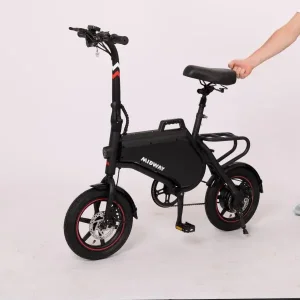
| Last-Mile Commuting | 150W – 500W Motors, 24V–36V Lithium, 8–10 Inch Pneumatic/Solid Tires | Foldable aerospace-grade aluminum chassis, dual brake systems, under 15kg weight | Urban professionals, college campuses, multi-modal transit commuters |
| Heavy Duty & Off-Road | 1000W – 5000W Dual Hub Motors, 48V–60V 20Ah+, Hydraulic Shocks | Reinforced high-tensile steel frame, knobby tubeless tires, dual disc hydraulic braking | Extreme sports enthusiasts, rural terrain workers, rental adventure parks |
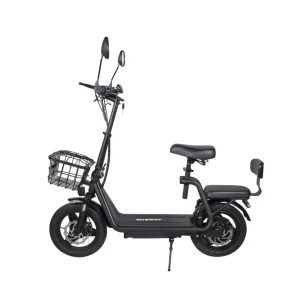
| Elderly & Mobility Assist | 180W – 600W Brushless Gear Motors, 48V 10Ah+, Ergonomic Seating | 3-Wheel or 4-Wheel stability geometry, electromagnetic automatic parking brakes, anti-tip rear wheels | Medical equipment distributors, senior care centers, mobility assistance retail |
| Cruiser & Citycoco Style | 13.5kW – 3000W Motors, 60V–72V High-Capacity Lithium Packs | Ultra-wide fat tires (18x9.5 inch), hydraulic fork suspension, two-seater passenger capability | Beach resorts, urban lifestyle commuters, eco-friendly delivery fleets |
| Commercial Delivery Fleets | 500W – 1200W Motors, Swappable 52V 24Ah Lithium Modules | Heavy-duty rear cargo racks, IoT telemetry modules, ultra-durable solid rubber tires | Courier services, food delivery apps (UberEats/DoorDash contractors), industrial complex transport |
Evaluating the performance metrics that dictate vehicle longevity, thermal management, and rider safety.
Modern electric scooters utilize Direct-Drive Brushless DC (BLDC) Hub Motors. Key quality differentiators include high-temperature neodymium magnets (rated up to 180°C), copper coil winding purity (99.9% oxygen-free copper), and efficient heat-dissipating aluminum stator hubs that prevent thermal degradation during sustained hill climbing.
The battery system accounts for 40–50% of total unit cost. Premium export models utilize Grade-A 18650 or 21700 cylindrical cells (such as LG, Samsung, or top-tier domestic Chinese cells like Eve/CATL). Integrated Smart BMS architectures provide real-time thermal monitoring, overcharge protection, short-circuit auto-shutoff, and active cell balancing.
Scooter frames undergo high cycle fatigue testing (100,000+ stress impacts). Importers must choose between 6061-T6 Aircraft-Grade Aluminum Alloy for optimal strength-to-weight ratio in portable models, or High-Tensile Carbon Steel for high-power electric motorcycles and Citycoco fat-tire platforms.
Step-by-step risk mitigation protocol for volume importers, wholesalers, and private label distributors.
Procuring electric scooters at scale requires more than evaluating initial unit quotes. Importers must execute a structured, multi-phase verification protocol to ensure long-term product reliability, regulatory compliance, and seamless customs clearance.
Before issuing purchase orders, demand verified documentation directly from the factory. Key credentials include ISO 9001 quality management certification, UN38.3 lithium battery transport testing reports, MSDS (Material Safety Data Sheets), and CE certificates under the Machinery Directive 2006/42/EC and EN 17128 standard.
Establish clear technical specifications in the Sales Agreement. Define motor peak vs rated power, battery cell brand and discharge rates, display unit waterproofing (IP rating), software speed governor settings to match local laws, custom branding artwork, and reinforced carton packaging with 5-ply corrugated board for drop-test protection.
Implement AQL (Acceptable Quality Limit) 2.5 standards for pre-shipment inspections. Audits should cover visual cosmetic checks, weld joint inspection via non-destructive methods, water spray tests for ingress protection, dynamic road testing under maximum rated payload, and battery discharge performance benchmarks.
Standard enterprise terms usually involve 30% T/T deposit upon order confirmation and 70% balance paid against Bill of Lading (B/L) copy after pre-shipment inspection approval.
Electric scooters with lithium batteries fall under Class 9 Dangerous Goods (UN 3171 / UN 3481). Partner with suppliers experienced in sea freight container consolidation (FCL/LCL) with full DG documentation.
Negotiate a 1% to 3% complimentary spare parts package (controllers, throttles, inner tubes, brakes, and LED displays) included in bulk shipments to maintain high domestic customer satisfaction.
Emerging technologies set to define the next decade of personal electric vehicle manufacturing.
Modern wholesale models are increasingly equipped with Bluetooth, 4G telematics, GPS tracking, remote app lock/unlock, battery health diagnostics, and firmware updates over-the-air (FOTA), crucial for commercial rental fleets.
Transitioning toward Sodium-Ion (Na-Ion) and Solid-State battery options promises higher thermal stability, lower fire risk, enhanced low-temperature operation down to -20°C, and significant raw material cost reductions.
Advanced Micro-Mobility Assistance Systems (AMAS) utilizing onboard cameras and radar sensors to detect pedestrian hazards, sidewalk riding, and surface degradation, actively regulating power output to prevent collisions.
Direct answers to crucial commercial and engineering questions asked by international B2B purchasers.
In B2B manufacturing contexts, "Free Electric Scooter" typically refers to "White-Label" or unbranded platform scooters supplied free of pre-existing trademark constraints. It allows commercial importers to freely customize colorways, logos, software parameters, packaging, and technical specifications for localized distribution without licensing fees.
For standard stock models with custom logo branding, factory MOQs typically start between 20 to 50 units. For complete OEM modifications (custom frame geometry, customized motor controllers, or proprietary molds), MOQs range from 200 to 500 units depending on production setup costs.
Established Chinese exporters provide complete Dangerous Goods (DG) documentation packages, including UN38.3 test summaries, MSDS documentation, 1.2-meter drop test reports, and marine transport safety certificates. Products are packaged in UN-rated heavy-duty cartons with isolated battery terminals conforming to IMO/IATA regulations.
For the European Union, CE compliance (Machinery Directive, LVD, EMC), RoHS, and EN 17128 certification are standard. For North America, UL 2272 (for electrical system safety), FCC approval for wireless controllers, and DOT/EPA compliance for high-powered electric motorcycles are typically mandated by customs and major retail channels.
Standard lead time for a 20ft or 40ft High Cube container order (approx. 200–500 scooters) is generally 25 to 35 calendar days after deposit receipt and final sample confirmation. Peak manufacturing seasons (Q3 before holiday retail peaks) may extend lead times to 45 days.
High-performance electric motorcycles, specialized mobility vehicles, chargers, and custom-configured platforms.