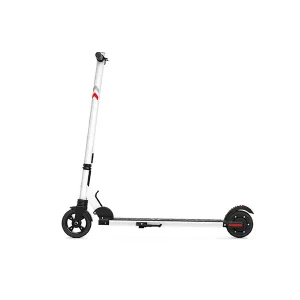
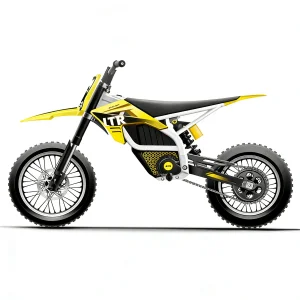
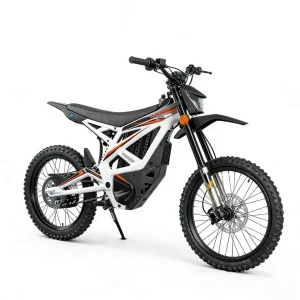
High-demand commercial inventory directly from our Zhejiang production facility. Fully customizable for international importers, brand owners, and fleet operators.
As urban density escalates worldwide, micro-mobility has shifted from a novel consumer trend to an essential component of modern civic transportation infrastructure. Within this sector, the **lightest electric scooter** segment represents the fastest-growing niche for B2B importers, corporate fleets, and distributors.
Historically, personal electric vehicles were plagued by heavy lead-acid batteries and bulky steel chassis, pushing total weights past 20 to 25 kilograms. Today, global regulatory compliance—such as European Standard EN 17128:2020, North American UL 2272, and strict public transit carry-on rules (e.g., London Underground, Paris Métro, and NYC MTA regulations capping personal transport devices)—has created intense commercial demand for high-performance e-scooters weighing between 7.5 kg and 12 kg.
For B2B buyers and regional brand distributors, sourcing from verified Chinese OEMs with dedicated lightweight manufacturing capabilities is critical. Raw material prices, combined with intricate stamping and die-casting procedures, mean that weight reduction cannot come at the expense of structural fatigue limits or battery payload capacity. Factory direct manufacturers must achieve mass optimization through advanced metallurgy, integrated battery-in-stem architectures, and high-efficiency brushless DC motors.
Shaving weight off a vehicle designed to support payloads of 100 kg to 120 kg over uneven terrain requires sophisticated aerospace-grade metallurgy and Finite Element Analysis (FEA) testing.
While standard scooters use lower-grade 6063 aluminum, high-end lightweight models utilize hydroformed 6061-T6 or 7075-T6 heat-treated aluminum alloys. Yield strength jumps from 145 MPa to over 500 MPa, allowing thinner wall tubing without compromising frame rigidity.
Magnesium is 33% lighter than aluminum and 75% lighter than steel. Die-cast magnesium alloy decks provide exceptional natural vibration damping (reducing road fatigue) while dramatically lowering total frame mass.
Toray T700 unidirectional carbon fiber layups replace traditional metallic steering columns. Carbon fiber offers an unmatched strength-to-weight ratio, absorbing high-frequency pavement chatter while keeping stem weight under 450 grams.
Safety compliance requires robust folding mechanisms. Modern factories design CNC-machined dual-stage locking clamps that eliminate stem play and wobbling while operating seamlessly in under 3 seconds.
Designing the lightest electric scooter demands an uncompromising focus on energy density. Heavy steel copper-wire motors and bulky battery cases are engineered out using ultra-thin silicon steel laminations and high-discharge lithium cells.
A. Direct-Drive Brushless DC (BLDC) Hub Motors: Standard hub motors rely on thick iron cores that add unwanted rotational inertia and physical weight. Premier OEMs employ 0.2mm high-permeability silicon steel sheets combined with Neodymium N52SH magnets (rated for 150°C thermal stability). This engineering refinement yields a nominal 250W to 500W power output with a motor mass under 1.8 kg, achieving an efficiency peak exceeding 88%.
B. High Gravimetric Density Battery Formatting: The single heaviest component of any electric scooter is its energy storage system. By transitioning from traditional 18650 lithium cells (approx. 200 Wh/kg) to high-density 21700 lithium-ion cells (exceeding 260 Wh/kg), factories can pack 36V 7.8Ah (280Wh) of energy into a battery module weighing less than 1.4 kg.
C. Smart BMS Thermal Management & Energy Recovery: Integrated Smart Battery Management Systems (BMS) with thermal sensor arrays allow higher continuous discharge rates without requiring heavy metal cooling heatsinks. Furthermore, double-stage Regenerative Braking Systems (E-ABS) feed up to 10% of deceleration energy back into the pack, extending usable range without adding extra physical battery mass.
Understanding regional user demographics and urban infrastructure is vital for wholesale buyers selecting inventory profiles for local markets.
Target Hubs: Tokyo, Singapore, London, Berlin, New York.
Riders carry scooters up multi-story subway stairs, onto overcrowded trains, and under office desks. Vehicles must be under 10 kg, featuring single-click folding and compact stem profiles.
Target Hubs: Tech parks, hospital compounds, university grounds.
Campus security, staff, and students require swift internal transit between facilities. Low mass prevents indoor floor scuffing and reduces injury risks in pedestrian zones.
Target Hubs: Suburban commuters, motorhome travelers.
Used as a last-mile bridge after parking vehicles outside high-congestion city centers or at campsite destinations. Ultra-flat folding geometry is mandatory for compact trunk fitting.
Target Hubs: Historic European centers (Southern Europe, UK).
Buildings lacking elevators require residents to hand-carry transport devices up 3 to 5 flights of stairs. A sub-10 kg weight profile is the primary purchasing decision filter.
Next-generation technological breakthroughs will continue redefining personal electric mobility over the coming decade.
Solid-state lithium electrolytes are projected to reach commercial mass production by 2027. Gravimetric densities will top 400 Wh/kg, reducing overall battery pack mass by an incredible 40% while eliminating thermal runaway and fire risks entirely.
AI-driven structural generative design algorithms remove non-stress-bearing metal from chassis joints, producing organic, hollowed-out internal lattice structures 3D-printed in titanium-magnesium alloys.
Eliminating physical charging ports enhances IP67 water/dust protection ratings. Fleet storage racks and home floor mats will charge scooters automatically via high-efficiency resonant magnetic coils.
Integrated CAN-bus controllers with 5G micro-transceivers enable over-the-air (OTA) firmware updates, dynamic GPS anti-theft tracking, remote diagnostic locks, and automatic speed adjustment in restricted geo-fenced zones.
WuYi YueMa Leisure Articles Co., Ltd. operates a vertically integrated 34,000 m² production base in Zhejiang, China. We empower global brand owners and distributors with turnkey OEM and ODM engineering capabilities.
Strict Quality Assurance & ISO Compliance: Every scooter leaving our assembly line undergoes automated testing protocols including 100,000-cycle handlebar vibration stress testing, dynamic deck drop impact tests, electronic brake calibration, and full IPX5/IPX7 water ingress chamber validation.
Customization & Private Label Capabilities: We offer custom anodized frame colors, laser-etched brand logos, custom BMS firmware tuning (for speed/range caps in compliance with local road laws), custom box packaging, and localized charging plug configurations (EU, US, UK, AU).
Regulatory Documentation Support: We supply comprehensive documentation packages to ensure fast customs clearance and regulatory approval, including CE, RoHS, EN 17128, UL 2272 certification test reports, MSDS sheets, and UN38.3 lithium battery transport safety clearance.
| Specification Parameter | Ultra-Lightweight Class | Standard Commuter Class | Heavy-Duty Performance Class |
|---|---|---|---|
| Net Vehicle Weight (kg) | 7.5 kg – 11.5 kg | 14.0 kg – 18.5 kg | 24.0 kg – 45.0 kg+ |
| Primary Frame Metallurgy | Carbon Fiber / AZ91D Magnesium / 7075-T6 Al | 6061-T6 Aluminum Alloy | Reinforced Steel & Heavy Al-Alloy |
| Motor Configuration | Single 250W – 350W Superlight BLDC Hub | Single 350W – 600W Hub | Dual 1000W – 5000W Motors |
| Battery Pack Formatting | 21700 High-Density LG/Samsung (36V) | 18650 Standard Cells (36V / 48V) | High-Capacity 52V / 60V / 72V Packs |
| Max Payload Capacity | 100 kg – 110 kg | 120 kg | 150 kg – 200 kg |
| Folding Speed & Mechanism | < 3 sec Single-Click Latch | 5 sec Dual-Latch System | Heavy Pin Lock / Bolted Clamp |
| Portability Index Rating | Excellent (10 / 10) | Moderate (6 / 10) | Low (2 / 10 - Vehicle Storage Only) |
Answers to essential technical and commercial questions for wholesale buyers, importers, and original equipment brand partners.
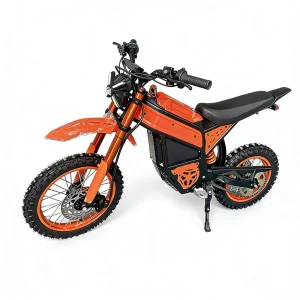
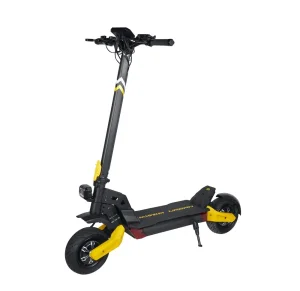
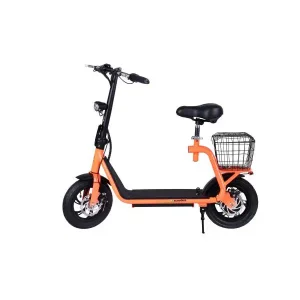
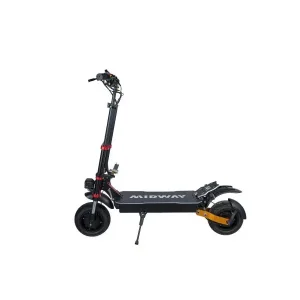
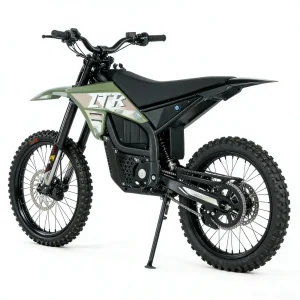
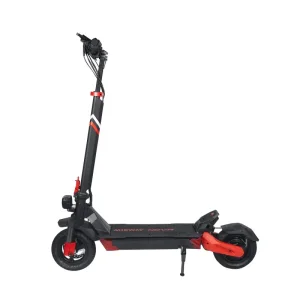
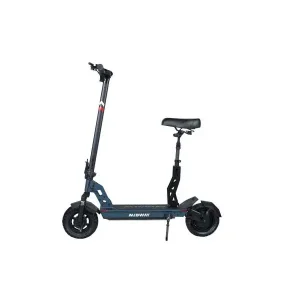
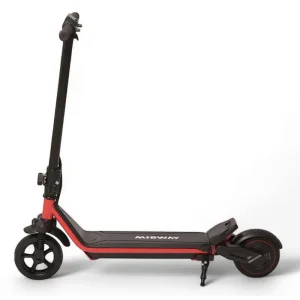
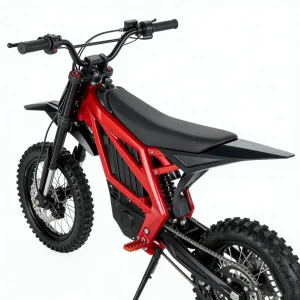
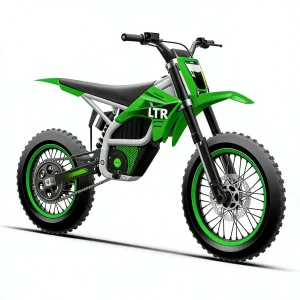
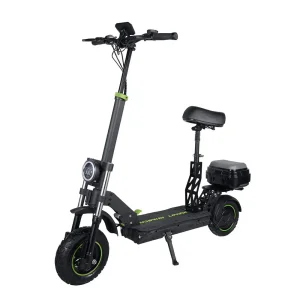
From ultra-light urban kick-assist scooters to heavy-duty off-road e-motorcycles, browse our secondary manufacturing catalog below.