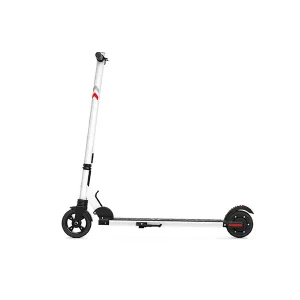
Factory-direct inventory built to international standards with customizable lithium battery packs, ergonomic frames, and heavy-duty drivetrains.
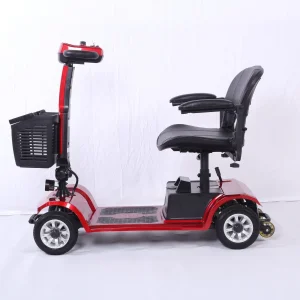
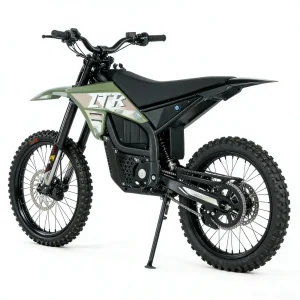
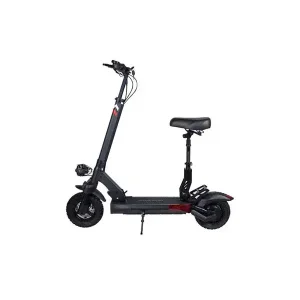
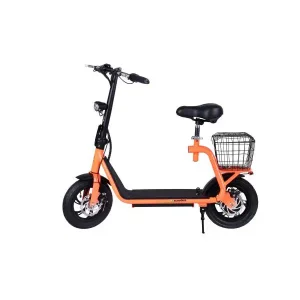
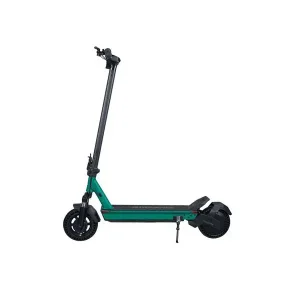
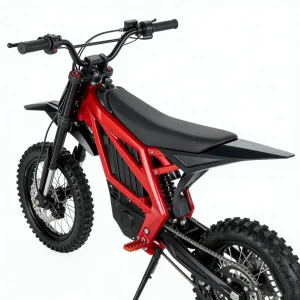
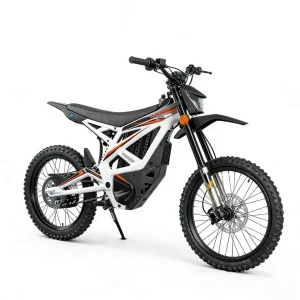
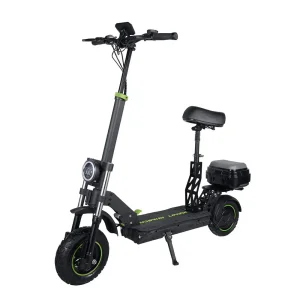
The global personal mobility sector is undergoing an aggressive structural shift toward lightweight, high-energy-density personal electric vehicles (PEVs). Driven by an aging worldwide demographic, rapidly expanding medical equipment rental networks, and stringent municipal urban micro-mobility guidelines, commercial buyers—including regional medical device distributors, healthcare facility operators, and OEM brand owners—are re-evaluating their sourcing frameworks. Partnering with certified Wholesale Lightweight Mobility Scooter Manufacturers in China has evolved from a simple cost-reduction tactic into a strategic imperative for supply chain resilience, regulatory compliance, and market share expansion.
Modern lightweight mobility scooters represent a synthesis of advanced metallurgy, intelligent battery management systems (BMS), and human-centric ergonomics. Unlike legacy heavy-duty 4-wheel mobility scooters that exceed 80–100 kg and require dedicated vehicle lifts, lightweight folding models weigh under 30 kg, allowing effortless stowage in automobile trunks or airline cargo holds. Achieving this weight reduction without compromising structural integrity or rider payload capacity demands precise manufacturing engineering, high-tensile alloy selection, and automated robotic welding protocols.
At the core of premium lightweight mobility scooter manufacturing lies material science. Leading Chinese original equipment manufacturers (OEMs), such as WuYi YueMa Leisure Articles Co., Ltd., leverage aerospace-grade 6061-T6 aluminum alloys and structural magnesium-aluminum composites. These materials deliver superior strength-to-weight ratios compared to traditional carbon steel frames while maintaining high corrosion resistance across diverse climate conditions.
| Material / Frame Type | Yield Strength (MPa) | Total Frame Weight | Payload-to-Weight Ratio | Target B2B Application |
|---|---|---|---|---|
| 6061-T6 Aircraft Aluminum | 276 MPa | 18.5 – 22.0 kg | 6.5 : 1 | Commercial Travel & Rental Fleets |
| Magnesium Alloy Composite | 220 MPa | 14.0 – 16.5 kg | 8.0 : 1 | Ultra-Portable Travel Scooters |
| Standard Structural Carbon Steel | 250 MPa | 38.0 – 55.0 kg | 2.8 : 1 | Heavy-Duty Outdoor Mobility |
Advanced structural engineering extends beyond material selection to include fatigue-resistant folding mechanisms. Quick-fold hinges, dual-latch safety locks, and automatic electromagnetic brake linkages must undergo minimum 20,000-cycle stress testing to ensure lifetime operational reliability. By deploying automated CNC precision machining and robotic TIG welding, top-tier factories eliminate micro-structural voids, ensuring each chassis withstands dynamic payload stresses up to 150 kg (330 lbs).
Evaluating a Lightweight Mobility Scooter Manufacturer requires analyzing the geographic industrial cluster surrounding the production plant. The Wuyi hardware and electric vehicle hub in Zhejiang Province, China, represents the premier global manufacturing cluster for personal electric mobility. This localized supply network grants manufacturers unprecedented structural efficiencies:
Factory Insight: Purchasing directly from an integrated manufacturer eliminates trading intermediaries, allowing global distributors to capture higher operating margins while retaining direct control over product customization, warranty reserves, and spare parts supply pipelines.
Navigating international regulatory barriers is crucial when importing medical and personal transport equipment. A qualified manufacturer must deliver complete technical documentation, test reports, and compliance certificates for destination markets. Sourcing non-compliant equipment risks customs seizures, punitive fines, and catastrophic product liability exposure.
Compliance with EN 12184 (Electrically powered wheelchairs & scooters), CE Marking under Medical Device Regulation (EU MDR 2017/745) Class I, and RoHS 2.0 hazardous substance restrictions.
FDA 510(k) clearance for medical mobility assistance devices, UL 2272 certification for personal e-mobility electrical systems, and FCC Part 15 Class B electromagnetic compatibility.
UN 38.3 lithium battery transport safety certification, MSDS reports, and drop-test documentation enabling seamless international air, sea, and courier freight logistics.
To support global enterprise buyers, modern OEMs provide localization frameworks. This includes localized owner manuals, multi-language digital displays, region-specific charger plugs (EU 220V, US 110V, UK 240V), and standardized spare parts buffer stocks (controllers, throttles, tires, electromagnetic brakes) shipped alongside primary container loads.
Procurement directors must look beyond FOB unit prices to evaluate Total Cost of Ownership (TCO) and long-term supply chain velocity. Key evaluation dimensions include:
| Procurement Metric | Industry Standard | Yuema Factory Specification | Business Impact for Importers |
|---|---|---|---|
| Minimum Order Quantity (MOQ) | 50 – 100 Units | Flexible Tiered MOQs (Sample Support Available) | Minimizes initial capital tie-up & inventory risk. |
| Production Lead Time | 35 – 45 Days | 20 – 30 Days (Standard Container Load) | Accelerates inventory turnover & cash-to-cash cycles. |
| BMS Protection Protocols | Basic Overcharge/Overdischarge | Smart BMS: Thermal sensing, short-circuit, cell balancing | Reduces warranty claim rate to under 0.5%. |
| OEM/ODM Customization Scope | Logo printing only | Full private label, custom frame colors, tailored motor power | Establishes proprietary brand equity & margin control. |
The personal mobility industry is evolving rapidly. Forward-thinking distributors must align with manufacturers investing in next-generation technologies:
Lightweight mobility scooters serve diverse commercial sectors beyond traditional medical supply stores:
Compact turning radii (under 1.2 meters) allow seamless navigation through narrow indoor corridors, dining halls, and elevators within assisted living communities.
Airline-approved battery models provide instant passenger assistance across expansive international terminal gates and cruise ship decks.
Toolless disassembly and ultra-light folding frames enable tourists to transport rented scooters effortlessly in standard sedan trunks.
Essential technical, operational, and procurement queries answered by our senior engineering team.
For European distribution, compliance with EN 12184, CE marking under the EU MDR 2017/745 (for medical classification), and RoHS is required. For the United States, FDA 510(k) registration is necessary for medical mobility claims, along with UL 2272 for electrical system safety and UN 38.3 for lithium battery transport.
Yes. Air transport compliance depends on lithium battery capacity. IATA regulations permit lithium-ion batteries rated up to 300Wh (or two batteries of up to 160Wh each) for mobility aids. We offer certified flight-safe battery options accompanied by complete UN38.3 documentation.
We offer end-to-end customization including private-label logo branding, custom frame paint finishes (RAL color matching), customized lithium battery pack configurations (24V/36V/48V), motor power adjustments (250W to 1000W), controller tuning, tailored packaging boxes, and multi-language user manuals.
Our ISO9001:2015 process includes incoming component checks (IQC), frame welding inspection, circuit testing (IPQC), and 100% final road testing (FQC). We back our products with a 1-year warranty on core electrical components (motor, controller, battery) and structural frames, supporting distributors with free warranty replacement parts in every container load.
Expand your portfolio with our complete line of electric commuting scooters, high-power motorcycles, and commercial mobility vehicles.