Factory-direct electric scooters, senior mobility vehicles, and high-performance brushless hub motor systems engineered for commercial fleets, retail distribution, and bulk procurement.
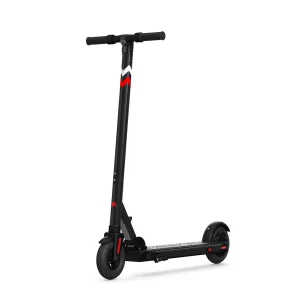
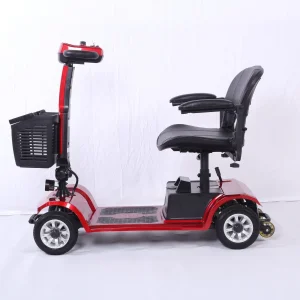
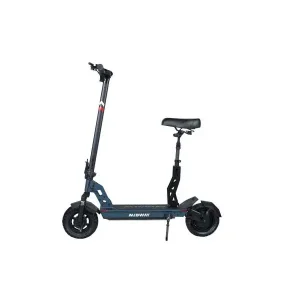
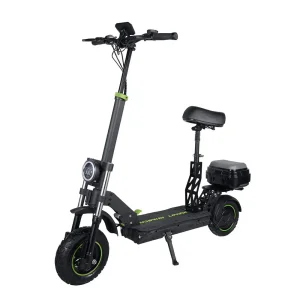
An analytical evaluation of market dynamics, demographic shifts, and supply chain re-configuration shaping the global electric micro-mobility and mobility scooter sectors.
The global personal electric vehicle (PEV) market is undergoing a structural transformation driven by urbanization, zero-emission transportation mandates, and an accelerating demographic shift toward aging populations in North America, Europe, and East Asia. Electric mobility scooters—encompassing light urban kick-scooters, heavy-duty utility vehicles, three-wheeled medical mobility aids, and wide-tire Citycoco cruisers—have transitioned from niche recreational items into critical infrastructure for personal autonomy and last-mile transportation networks.
According to recent industry telematics and global import-export data, the worldwide electric scooter market size is projected to expand from $21.4 Billion in 2023 to over $42.8 Billion by 2032, registering a compound annual growth rate (CAGR) of 8.5%. This growth is bifurcated into two primary commercial vectors: high-efficiency urban micro-mobility solutions designed for young commuters and sharing fleets, and specialized senior mobility scooters engineered to satisfy strict medical-device regulatory frameworks (such as FDA Class II and EU Medical Device Regulation compliance).
Aging populations across Germany, Japan, and the US are escalating demand for ergonomic 3-wheel and 4-wheel mobility scooters with 250W-600W motor profiles and low-speed stability controls.
Logistics operations and rental platforms require heavy-duty 1000W-3000W scooters equipped with swap-ready lithium battery packs, IP67 waterproofing, and IoT telematics.
Global markets are mandating rigorous compliance including EN 17128 for light motorized vehicles, UL 2272 for electrical system safety, and CE/ROHS directives.
Deconstructing the operational, material, and cluster ecosystem advantages of China's primary electric vehicle production hubs in Zhejiang and Jiangsu provinces.
China accounts for more than 85% of global electric scooter production, maintaining an unmatched competitive advantage built upon decades of industrial clustering, integrated component supply chains, and vertical manufacturing capabilities. The Wuyi and Yongkang hardware corridors in Zhejiang Province, combined with Wuxi’s motor and controller technology cluster, represent the epicenter of worldwide electric mobility engineering.
Unlike regional assembly plants in destination markets that rely on imported knock-down (CKD) kits, premier Chinese OEM manufacturers execute end-to-end production under one roof. This includes robotized frame welding using aircraft-grade 6061-T6 aluminum alloy and high-tensile steel, high-precision automated motor stator winding, SMT surface-mount processing for digital controllers, and in-house battery packing lines equipped with active cell balancing technologies.
Concentrated raw material sourcing (aluminum, lithium, copper, rare-earth neodymium magnets) reduces unit bill-of-materials (BOM) costs by 25-40% compared to overseas assembly.
Rapid tooling, 3D CAD modeling, and modular chassis architectures allow factory engineering teams to move from concept design to functional prototype in under 21 business days.
Multi-stage testing protocols including computerized dynamometer motor load testing, salt spray anti-corrosion chambers, vibration endurance rigs, and IPX5/IPX7 waterproof testing.
High-capacity automated production lines enable volume throughput capable of fulfilling 10,000+ unit orders monthly with consistent 25-35 day shipping lead times.
Analyzing how specific engineering features translate to real-world operational success across commercial, residential, healthcare, and industrial environments.
Urban transit networks demand lightweight, foldable 350W-600W electric scooters with fast-charging 36V/48V lithium-ion batteries. Key functional requirements include:
Designed specifically for elderly users and individuals with limited physical mobility, 250W 24V models prioritize safety, stability, and ease of control:
Large-scale manufacturing facilities, airports, and logistics hubs utilize 1000W-1500W electric scooters to streamline staff mobility:
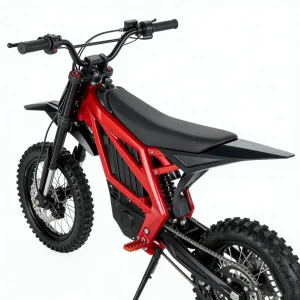
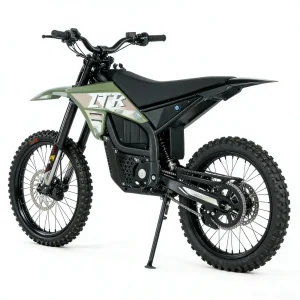
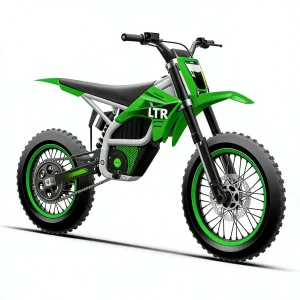
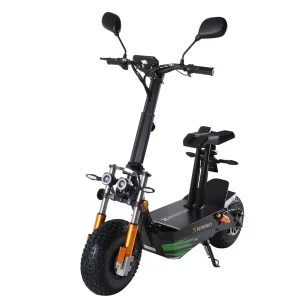
Heavy-duty 3000W to 35KW electric motorcycles and Citycoco fat-tire scooters target eco-tourism rentals and off-road enthusiast markets:
Direct technical breakdown of next-generation motor controllers, battery chemistry transitions, and intelligent telematics reshaping global manufacturing standards.
The electric mobility sector is shifting from basic mechanical assembly to highly integrated, software-defined hardware architectures. Forward-thinking B2B importers must align with manufacturers investing heavily in core powertrain technology, power electronics, and IoT telematics.
| Technology Vector | Legacy Benchmark (Generation I/II) | Next-Gen Standard (Generation III/IV) | B2B Sourcing Impact |
|---|---|---|---|
| Battery Cell Chemistry | Lead-Acid (SLA) / Standard 18650 NMC | Automotive-grade LFP (LiFePO4) & Sodium-Ion | Increases cycle life from 500 to 2,000+ cycles while mitigating fire risks. |
| Motor Control Electronics | Square-wave controllers | Sine-wave Field-Oriented Control (FOC) | Delivers smooth acceleration, reduced motor noise (<45dB), and +15% energy efficiency. |
| BMS Intelligence | Basic over-charge/over-discharge protection | Smart Cloud BMS with CAN-bus communication | Real-time cell status telemetry, remote diagnostics, and predictive maintenance alerts. |
| Chassis Engineering | Heavy carbon steel tubing | Hydroformed 6061 Magnesium-Aluminum Alloy | Reduces vehicle tare weight by 30% without sacrificing structural torsional rigidity. |
| Connectivity | Standalone LED display screen | 5G IoT Telematics, GPS Geofencing, NFC Lock | Enables fleet operators to deploy zero-hardware rental and asset-tracking networks. |
A strategic framework for B2B buyers, distributors, and brands to audit factories, manage international compliance, and lower total cost of ownership (TCO).
Ensure your factory partner provides verified test reports: EN 17128:2020 for European personal light electric vehicles, UL 2272 for electrical safety in North America, and UN 38.3 / MSDS certification for international lithium battery ocean freight.
Establish clear engineering specification sheets before contract signing. Standard OEM customization includes motor wattage configuration (250W–5000W), battery capacity (Ah), custom silk-screen branding, custom colorways (RAL matching), and tailored carton packaging.
Mitigate transit damage by specifying 7-layer double-wall corrugated export cartons with custom ISTA-tested molded EPS/EPE foam inserts. Verify container load density optimization to maximize unit counts per 40ft HQ container.
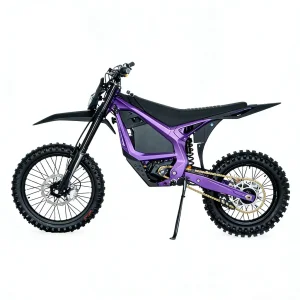
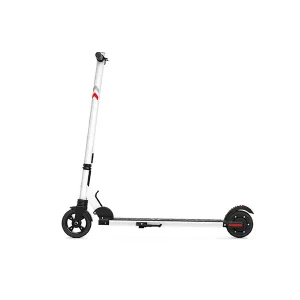
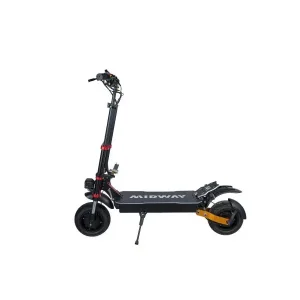
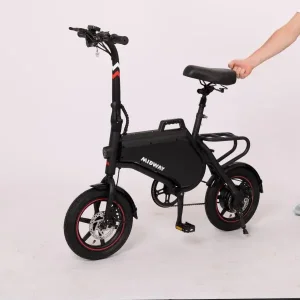
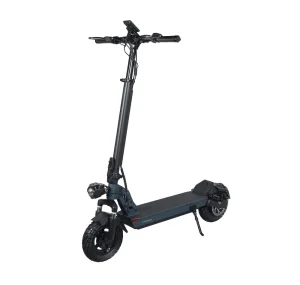
High-power electric motorcycles, Citycoco broad-wheel scooters, and long-range lithium scooters manufactured under strict ISO quality control systems.
Authoritative answers to critical engineering, commercial, legal, and operational questions asked by global mobility scooter importers.
