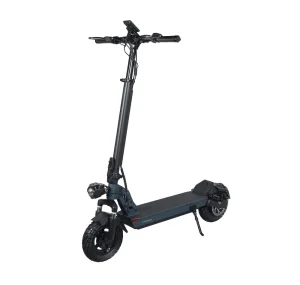
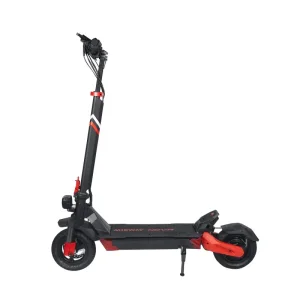
High-performance micro-mobility units engineered for urban commuting, elderly assistance, and heavy-duty logistics.
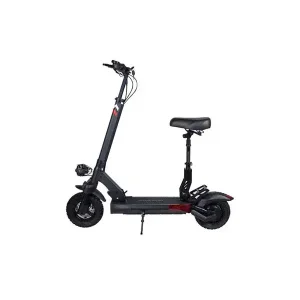
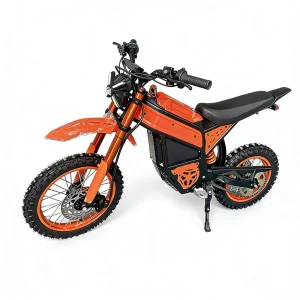
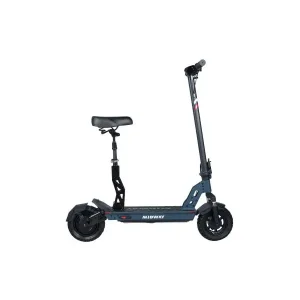
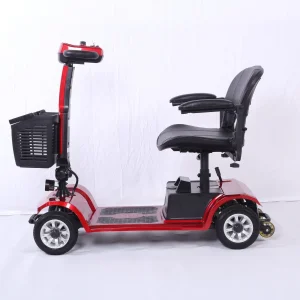
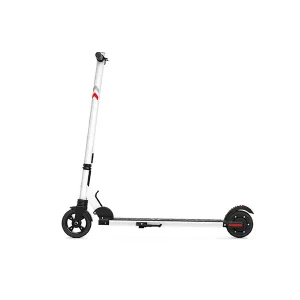
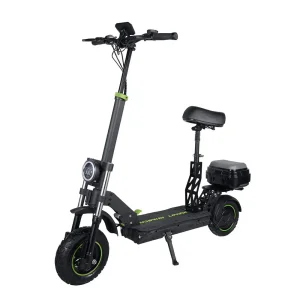
Examining the structural shifts in global demographics, urbanization patterns, and lightweight vehicle ergonomics shaping B2B sourcing requirements.
The global personal mobility device sector is undergoing an unprecedented structural transformation. Driven by the dual tailwinds of a rapidly aging global population—often referred to as the "Silver Tsunami"—and rapid urban densification, demand for high-efficiency, portable micro-mobility vehicles has surged. According to recent market intelligence reports, the global market for folding mobility scooters and lightweight electric power chairs is projected to expand from $8.4 Billion in 2023 to over $15.2 Billion by 2031, reflecting a compound annual growth rate (CAGR) of 7.8%.
Importers increasingly demand ultra-lightweight frames utilizing 6061-T6 aluminum and magnesium alloys, combined with UN38.3 certified lithium-ion battery modules (under 300Wh) that conform to FAA and IATA airline carriage regulations.
Manual multi-step latch systems are rapidly being replaced by one-touch mechanical articulation and wireless remote-controlled electronic folding mechanisms powered by dual linear actuators.
Commercial fleets and medical equipment rental operators require built-in CAN-bus communication, IoT GPS tracking, battery health monitoring (BMS telemetry), and automated diagnostic reporting.
Deconstructing the structural criteria global distributors, healthcare providers, and brands utilize to select China-based manufacturing partners.
Sourcing high-reliability folding mobility scooters at scale requires navigating complex engineering tradeoffs between structural rigidity, total curb weight, payload capacity, and battery safety compliance. Global distributors often encounter substantial friction points when working with non-integrated assembly factories. Strategic procurement directors prioritize suppliers with vertically integrated manufacturing chains—encompassing frame welding, robotic powder coating, harness fabrication, and dynamic load testing.
Tier-1 factories offer granular OEM/ODM customization options, including custom motor winding (speed vs. torque optimization), specialized controller programming (soft-start curve profiles), custom branding, ergonomic seating modifications, and regional charging plug compatibility.
Factory-direct suppliers mitigate global logistics risks by maintaining strategic buffers for key electronic components (MOSFETs, microcontrollers, Samsung/LG/Panasonic battery cells) and offering flexible SKD (Semi-Knocked Down) or CKD (Completely Knocked Down) shipping formats.
Tailored technical configurations designed for medical equipment distributors, travel & leisure fleets, and municipal micro-mobility operators.
Engineered to conform strictly with Medical Device Regulations (MDR 2017/745 Class I). Features electromagnetic automatic braking systems (EMB), anti-tip rear wheel geometries, flame-retardant upholstery materials, and ultra-smooth controller response curves tailored for elderly users.
Compact folding profiles engineered specifically to fit into cruise ship staterooms, commercial aircraft cargo holds, and resort shuttle trunks. Ruggedized powder-coated finishes resist marine environment salt-spray corrosion.
High-power 500W to 1500W brushless hub motor platforms designed for extensive multi-shift operation inside industrial complexes, university campuses, airport terminals, and large commercial warehousing facilities.
Navigating stringent international safety regulations, environmental directives, and local market clearance protocols.
Ensuring compliance with local product safety laws is paramount to protecting global brand equity and mitigating customs clearance bottlenecks. Professional manufacturing partners maintain robust Quality Assurance (QA) and Quality Control (QC) frameworks across every phase of production—from incoming raw material inspection (IQC) to in-process quality control (IPQC) and final pre-shipment inspection (OQC).
European Union: CE Marking under EN17128 (Personal Light Electric Vehicles), EN12184 (Electrically powered wheelchairs and scooters), MDD/MDR directives, and RoHS 2.0 hazardous substance restrictions.
North America: ANSI/RESNA WC-2 standards, UL2272 (Electrical Systems for Personal E-Mobility Devices), and FCC Part 15 Class B electromagnetic emission compliance.
Battery & Transport: UN38.3 lithium battery transport testing, MSDS documentation, and IEC 62133 safety certification for secondary sealed cells.
To empower regional distributors, factory agreements include mandatory 1% to 3% quick-wear spare parts allocations (controllers, throttles, tires, brake pads) shipped directly with main container shipments.
Additionally, modular wiring harness designs and standardized component interfaces enable local technician servicing without requiring specialized factory training. Modular battery enclosures feature plug-and-play connectors to streamline warranty battery swaps.
Anticipating technological convergence in artificial intelligence, battery chemistry, and structural material sciences.
The next decade of folding mobility scooter manufacturing will be characterized by the integration of advanced smart sensors, ultra-light carbon-composite chassis, and next-generation battery chemistries. Factory R&D investments are currently centered around four key innovation vectors:
Integration of mmWave radar sensors and ultrasonic proximity detectors to automatically decelerate vehicles when approaching obstacles, curbs, or pedestrians.
Transition from traditional liquid-electrolyte lithium cells to semi-solid state cells, doubling energy density (Wh/kg) while completely eliminating thermal runaway risks.
Replacing metallic frame assemblies with single-piece molded carbon fiber structural shells, reducing total chassis weight below 14kg without sacrificing strength.
Native 5G/IoT eSIM integration providing continuous firmware-over-the-air (FOTA) updates, predictive maintenance alerts, and automated theft prevention tracking.
Direct technical and operational answers to key queries raised by global importers, fleet operators, and distributors.
Standard MOQs for full factory OEM customization (custom frame colorways, branded packaging, custom controller firmware) start at 50 to 100 units depending on the specific chassis platform. For standard off-the-shelf catalog models, trial orders starting at 10 to 20 units are supported. Production lead times typically range from 25 to 35 calendar days following final sample approval and deposit confirmation.
All lithium battery packs installed in our electric scooters undergo rigorous UN38.3 testing protocols (including altitude simulation, thermal test, vibration test, shock test, external short circuit, and impact tests). We supply complete MSDS (Material Safety Data Sheet), UN38.3 test reports, and Dangerous Goods (DG) certification required for ocean shipping (IMO compliance) and air freight (IATA compliance).
Yes. We collaborate closely with medical equipment importers to provide complete Technical Construction Files (TCF), ISO 13485 quality management documentation, bio-compatibility test reports, and EMC test data necessary to support your regional regulatory filings with the US FDA, European Competent Authorities, or TGA Australia.
We provide a 24-month structural frame warranty and a 12-month warranty covering critical electronic components, including brushless motors, electronic controllers, lithium battery packs, and chargers. Warranty fulfillment is executed via immediate free spare part replacement dispatch with your subsequent orders or expedited air express shipment for urgent field claims.
Explore our full line of citycoco, high-voltage electric motorcycles, and long-distance commuting mobility solutions.