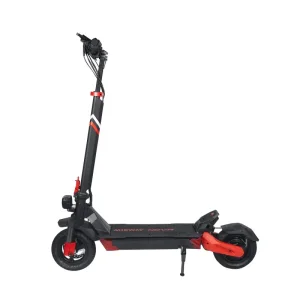
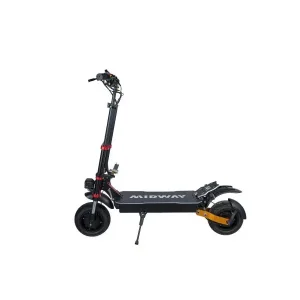
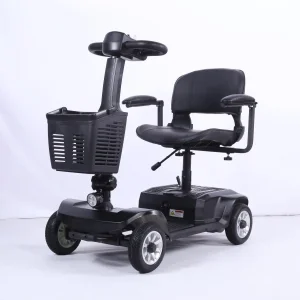
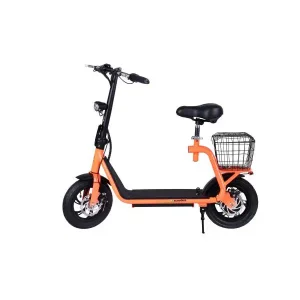
Direct factory supply of high-performance electric unicycles, mobility units, and heavy-duty electric scooters for global distributors.
An Industry Whitepaper on Technological Convergence, Market Expansion, and OEM Sourcing Architecture
The global personal electric vehicle (PEV) market is undergoing a seismic paradigm shift. While traditional dual-wheel electric kick scooters dominated early urban micro-mobility rollouts, enterprise buyers, logistics operators, and specialized mobility distributors are increasingly pivoting toward high-density, hyper-agile personal transport mechanisms. Central to this architectural evolution is the Single Wheel Electric Scooter—frequently categorized as the Electric Unicycle (EUC)—alongside heavy-duty multi-terrain electric platforms.
Single wheel electric scooters represent the pinnacle of self-balancing vehicular engineering. By consolidating propulsion, gyroscopic stabilization, and dynamic braking into a single central axis, these personal transporters deliver unmatched energy efficiency per kilometer, minimal storage footprint, and superior agility in dense urban topologies. As enterprise procurement directors analyze Total Cost of Ownership (TCO) across commercial fleets, direct OEM partnerships with verified manufacturers have become paramount to securing supply chain resilience, component traceability, and stringent battery safety compliance.
According to macroeconomic mobility data, the market for self-balancing and high-torque personal electric scooters is projected to expand at a compound annual growth rate (CAGR) of 14.8% through 2032. Driving factors include elevated fuel tariffs, municipal congestion zone regulations, expanding corporate campus infrastructures, and the demand for zero-emission last-mile logistics equipment.
Mitigating supply chain volatility through rigorous component evaluation, certified manufacturing methodologies, and robust structural engineering.
Industrial-grade single wheel electric scooters require structural rigidity to absorb high torsional stress. Leading tier-1 suppliers utilize CNC-machined 6061-T6 aviation grade aluminum alloy chassis combined with cast magnesium pedal assemblies, enduring over 1,500 kg of static load stress testing.
Battery architecture represents the core safety matrix. Wholesale procurement relies on Grade-A 21700 lithium-ion cells integrated with intelligent Battery Management Systems (Smart BMS) offering cell-level balance monitoring, dual thermal cut-offs, overcharge/overdischarge protection, and CAN-bus telemetry.
Single wheel balance maintenance requires zero-latency motor response. Utilizing high-torque Brushless DC (BLDC) hub motors with dual-Hall sensor redundancies guarantees uninterrupted balancing algorithms even in the event of a single sensor signal fallback, preventing unexpected cut-offs.
| Specification Metric | Consumer Standard Grade | Enterprise / Heavy-Duty Grade | Procurement Value Impact |
|---|---|---|---|
| Nominal Motor Power | 350W – 800W | 1500W – 3500W Continuous | Higher torque output, sustained hill-climbing capacity up to 35° inclines. |
| Battery System Voltage | 36V – 48V Architecture | 84V – 126V Architecture | Lower current draw, diminished heat buildup, extended battery lifecycle (+40%). |
| Max Payload Capacity | 100 kg (220 lbs) | 150 kg – 180 kg (396 lbs) | Accommodates heavy rider gear, cargo attachments, and tactical equipment. |
| Ingress Protection (IP) | IP54 (Basic Splash Resistance) | IP67 Sealed Core Componentry | Drastically reduced warranty returns caused by water ingress in inclement weather. |
| Controller Mosfets | 6 to 12 Basic Mosfets | 24 High-Current TO-247 Mosfets | Prevents thermal runaway cut-offs under high sustained power output demands. |
Custom engineering frameworks for specialized commercial sectors, industrial campuses, and municipal mobility operations.
Large-scale manufacturing facilities, distribution warehouses, and international airport terminals deploy single wheel electric scooters to reduce worker foot-travel time by up to 65%. Compact footprints allow users to transition effortlessly from riding to indoor walking.
Security forces operating across vast real estate assets utilize high-standing single wheel devices for elevated line-of-sight observation. Quiet electrical operation coupled with high top speeds ensures swift response times across paved and gravel surfaces.
Couriers utilize lightweight single wheel unicycles due to their unmatched portability. Riders can seamlessly board public transit systems, elevators, and office complexes without needing parking infrastructure, solving the critical final-mile friction point.
Navigating complex global export regulations with comprehensive factory certifications and localized market adaptations.
For international buyers, distributors, and retail brand owners, compliance non-negotiables govern market entry. Importing wholesale single wheel electric scooters and high-power e-mobility vehicles requires absolute adherence to regional electrical, chemical, and structural safety mandates.
A reliable supplier implementation follows a four-tier quality gate structure: IQC (Incoming Quality Control) verifying raw cell capacities and alloy purity; IPQC (In-Process Quality Control) testing controller soldering and automated harness wiring; FQC (Final Quality Control) executing 100% full-functional dyno test runs; and OQC (Out-Going Quality Control) verifying drop-proof export packaging integrity.
Pioneering advancements in smart self-balancing algorithms, solid-state battery technology, and IoT fleet telemetry.
The next era of single wheel electric scooter development is centered on three core technological pillars: autonomous stabilization enhancement, energy density amplification, and cloud-connected telemetry for commercial fleet governance.
Next-gen unicycles are transitioning toward semi-solid and solid-state battery chemistries. This shift yields a 30% increase in energy density (Wh/kg), near-zero risk of thermal runaway, and ultra-fast charging capabilities (0–80% charging in under 25 minutes).
Incorporating 6-axis MEMS IMU sensors with machine-learning predictive algorithms enables real-time terrain adjustment. The system micro-adjusts motor torque 2,000 times per second to neutralize terrain slippage, sudden potholes, and lateral wind gusts.
Commercial fleets benefit from integrated 4G/5G eSIM technology. Operations managers receive real-time updates on battery cell degradation, live GPS tracking, remote speed governor locking, and automated fault diagnostics directly to cloud management dashboards.
Direct answers for procurement officers, global distributors, and private label brand partners.
Explore our broader line of urban commuters, high-power hub motor scooters, and electric motorcycles built for global market success.
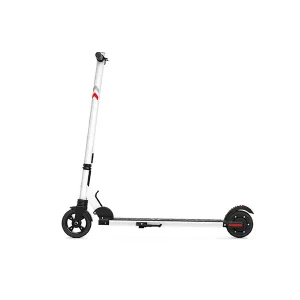
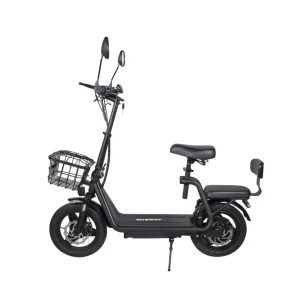
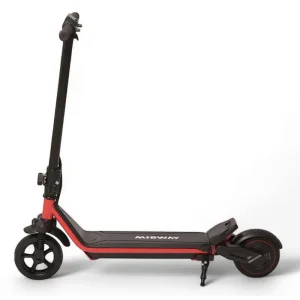
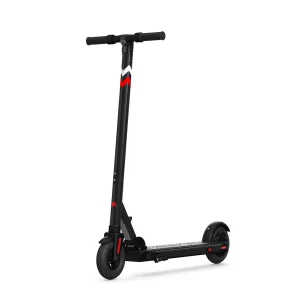
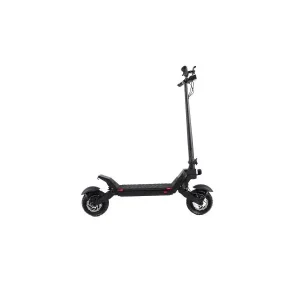
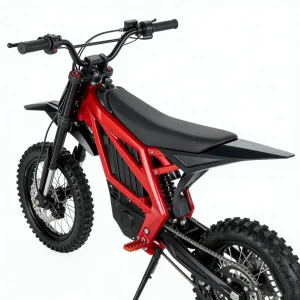
Leverage our 20+ years of industrial manufacturing excellence. Connect with our engineering and international trade team today to request customized RFQs, wholesale price tier sheets, and factory audit documentation.
Request Factory RFQ & Catalog