Engineered for high slope performance, cobblestone endurance, and EU CE EN17128 compliance.
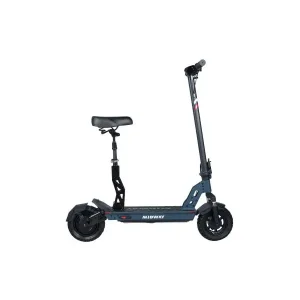
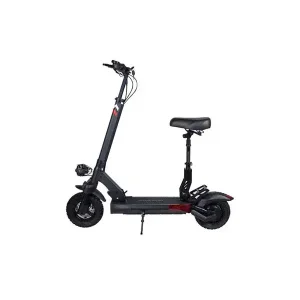
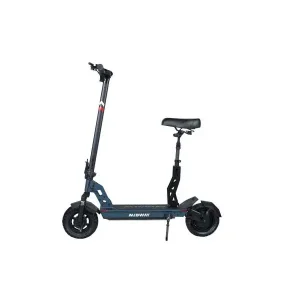
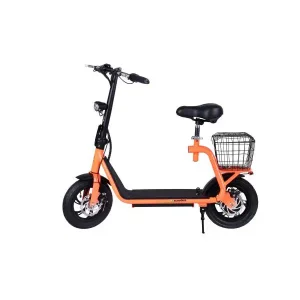
The Portuguese light electric vehicle (LEV) market is experiencing a structural pivot. Accelerated by the Plano Nacional de Energia e Clima 2030 (PNEC 2030) and municipal clean-air initiatives across the Metropolitan Areas of Lisbon (AML) and Porto (AMP), demand for high-reliability electric scooters has expanded beyond LAST-MILE consumer commuting into commercial fleet operations, tourism rentals, and corporate mobility schemes. For Portuguese importers, distributors, and fleet procurement executives, sourcing directly from top-tier Chinese original equipment manufacturers (OEMs) represents the most viable avenue to balance capital expenditure with engineering robustness.
"Deploying personal mobility devices in Portuguese urban hubs demands specialized engineering. Cobblestone pavements (Calçada Portuguesa), steep gradient inclines up to 18% in historical districts like Alfama and Bairro Alto, and maritime atmospheric corrosion require specific structural reinforcements that off-the-shelf commuter scooters cannot sustain."
Cities like Lisbon, Coimbra, and Porto feature dense elevation profiles. Standard 250W or 350W motors suffer from thermal throttling under sustained 15° hill climbs. OEM specifications serving Portugal must prioritize 48V/52V powertrains delivering 500W to 1000W peak output with high-torque winding designs to maintain steady speed without overheating.
The traditional Calçada Portuguesa induces continuous high-frequency vertical acceleration. Standard aluminum alloy frames frequently experience stress fractures at the folding mechanism hinge. Modern Chinese export manufacturing utilizes aviation-grade 6061-T6 aluminum extrusion frames paired with dual-pneumatic 10-inch tubeless tires or solid honeycomb dampers.
With major commercial activity concentrated along the Atlantic coastline (Lisbon, Porto, Setúbal, Faro), airborne salt sprays accelerate oxidation. B2B specifications require IPX5 or IPX7 ingress protection for electrical enclosures, anodized structural components, electro-coated motor casings, and stainless steel hardware (SUS304/SUS316).
Operating or selling micro-mobility vehicles in Portugal mandates strict adherence to national and European safety standards. Under the Portuguese Highway Code (Código da Estrada), updated via Decreto-Lei n.º 102/B/2020, electric scooters with a maximum continuous rated power of up to 250W (or up to 1000W for specific categorized mobility devices) and a maximum speed of 25 km/h are equated to bicycles. Devices exceeding these thresholds are subject to vehicle registration, mandatory insurance, and classification under L-category moped directives (L1e-B).
| Regulatory Dimension | Portuguese Legal Requirement (Código da Estrada) | OEM Manufacturing Technical Compliance |
|---|---|---|
| Maximum Speed Limit | 25 km/h electronic capping for public road utilization. | Firmware-locked dual-mode speed limiters (15 km/h Eco / 25 km/h Max). |
| Braking Performance | Independent front and rear braking systems required. | Dual braking architecture: Front E-ABS regenerative + Rear mechanical disc / drum. |
| Lighting & Visibility | White front light, red rear position light, side reflectors. | Integrated high-lumen LED headlight (≥300 Lux), E-Mark certified brake lights, 3M reflective strips. |
| Acoustic Signaling | Mandatory mechanical bell or acoustic warning horn. | Pre-installed 85dB+ horn integrated into handbar controls. |
| Battery & Electrical Safety | CE compliance, UN38.3 transport certification, RoHS compliance. | Smart BMS with overcharge, short-circuit, thermal cutoff, cell balancing, and IP67 battery housing. |
Chinese manufacturers exporting to Portuguese buyers must deliver full technical dossier packages (DoC - Declaration of Conformity) validating adherence to EN 17128:2020 (Light motorized vehicles for transportation of persons and goods), the Low Voltage Directive (LVD 2014/35/EU), and Electromagnetic Compatibility (EMC 2014/30/EU).
For Portuguese commercial importers, fleet management operators, and retail distributors, purchasing decisions extend beyond upfront unit pricing. A comprehensive evaluation of Total Cost of Ownership (TCO) over a 24-to-36-month operational lifecycle reveals that build quality, modular component design, and spare parts availability govern long-term profitability.
As electric scooter manufacturing transitions into its next technological generation, leading Chinese OEM factories are integrating advanced automotive-grade engineering into micro-mobility platforms destined for European deployment.
Equipped with CAN-bus or RS485 communication protocols, modern Smart Battery Management Systems transmit real-time telemetry—including individual cell voltage balancing, temperature sensor alerts (NTC), battery health status (SoH), and remaining range estimations—directly to mobile apps or fleet management dashboards via IoT modules (4G/LTE-M).
Utilizing high-grade neodymium magnets (N45H / N50H rated up to 150°C thermal tolerance) and ultra-thin silicon steel laminations, modern 36V-52V BLDC motors achieve energy conversion efficiency rates exceeding 88%. This lowers thermal dissipation during extended uphill operation across Portuguese cities.
Dual-stage kinetic energy recovery systems capture inertial force during deceleration on downhill descents (such as Lisbon's steep avenues), converting rotational mechanical energy back into electrical charge while extending overall brake pad life by up to 40%.
China remains the undisputed epicenter of global light electric vehicle manufacturing, controlling over 85% of global production capacity for electric kick scooters and e-bikes. This leadership position stems from complete vertical integration across the value chain: from lithium refinement and cell manufacturing (CATL, BYD, EVE) to precision aluminum processing, motor winding, and automated final assembly.
Clustered manufacturing eco-systems in Zhejiang, Jiangsu, and Guangdong provinces enable component suppliers to operate with just-in-time delivery models. This structural synergy lowers bill-of-materials (BOM) costs by 30% to 45% compared to localized European assembly lines.
Tier-1 Chinese export factories operate ISO 9001:2015 quality management systems, utilizing automated optical inspection (AOI), battery vibration testing, endurance drop tests, and IPX7 immersion test chambers prior to container loading.
Experienced Chinese exporters provide complete Customs Harmonized System (HS Code: 8711.60.10) documentation, EUR.1 origin support, and direct coordination with Portuguese freight forwarders for seamless clearance at Alfândega de Lisboa and Alfândega do Porto.
Ensuring frictionless market entry into Portugal requires validating compliance against national recycling and electronic equipment directive schemes. Distributors must partner with manufacturers whose documentation aligns with Portuguese regulatory bodies:
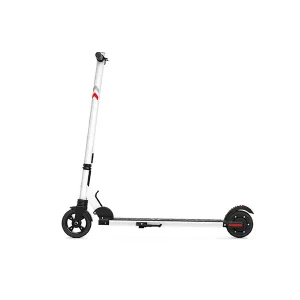
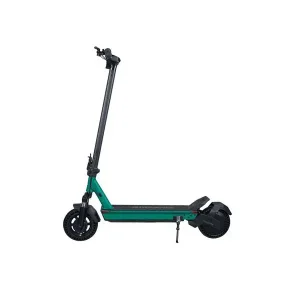
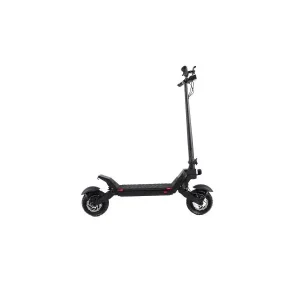
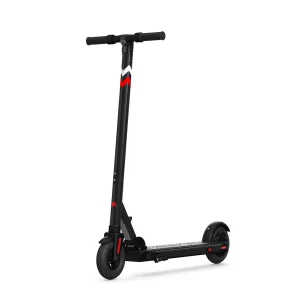
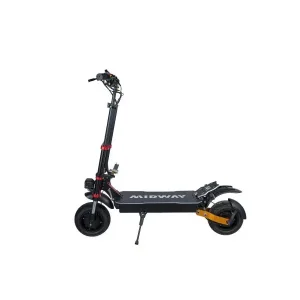
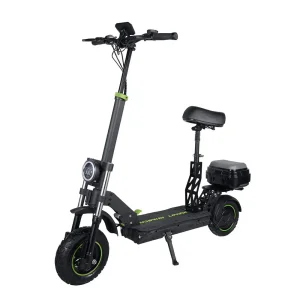
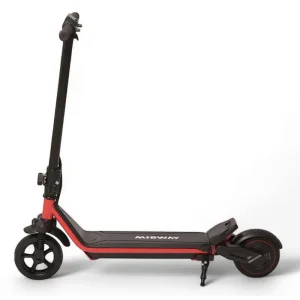
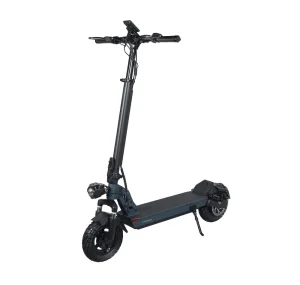
Explore our complete factory-direct lineup engineered for long-range efficiency, high torque, and custom OEM branding.
Expert answers regarding logistics, customization, warranty, and compliance for Portuguese importers.
Get customized wholesale price quotes, EN17128 compliance certificate copies, and complete catalog specifications delivered within 24 hours.
