Engineered for high durability, structural resilience against road salt, and superior battery efficiency under Midwestern urban conditions.
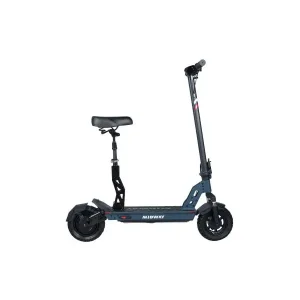
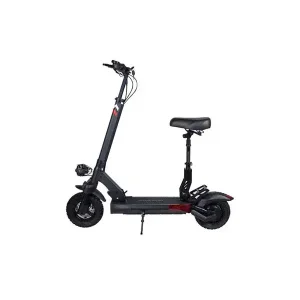
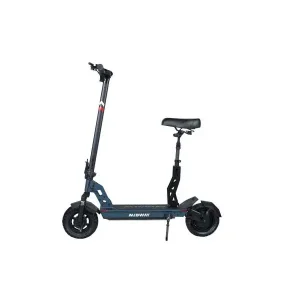
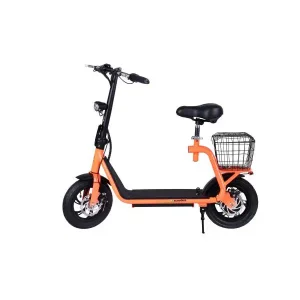
An authoritative analysis on energy density, structural alloys, and global manufacturing standards driving next-generation micro-mobility solutions.
The global electric scooter market has transitioned from basic personal transportation devices to heavy-duty, IoT-connected, commercial-grade fleet assets. As urban density increases across North American metropolises, commercial fleet operators, municipal contractors, and regional distributors require electric vehicles engineered with automotive-grade precision.
Modern micro-mobility hardware demands vertical integration—spanning raw material metallurgy, automated SMT PCB assembly, smart Battery Management Systems (BMS), and cloud-connected IoT telemetry. Importers and enterprise buyers serving tier-1 cities can no longer rely on consumer-grade kick scooters; they require industrial platforms built for continuous high-load operations, aggressive weather exposure, and strict regulatory compliance.
High-efficiency manufacturing relies on standardized modular platforms. By utilizing high-grade 6061-T6 aluminum extrusions, IPX7 water-resistant controller enclosures, and high-discharge lithium-ion cell architectures (such as 18650 and 21700 formats), Tier-1 manufacturers reduce operational failure rates to below 0.3%.
Strategic B2B procurement focuses on total cost of ownership (TCO). This encompasses modular maintenance frameworks where motors, controllers, and wiring harnesses can be swapped within 5 minutes, significantly minimizing fleet downtime and maximizing revenue yield per unit for urban mobility operators.
Key Insight for Enterprise Procurement: Modern electric scooter manufacturing for North American enterprise markets requires strict adherence to UL 2272 safety standards, UN38.3 lithium battery transport certification, and modular component interchangeability to ensure low lifecycle maintenance costs.
Analyzing the specific infrastructure, climatic conditions, and municipal regulations governing electric scooters in Chicago, Illinois.
Chicago winters experience temperatures dropping well below -15°C, accompanied by road salt and high humidity. Standard batteries suffer severe voltage sags. Our customized Chicago-grade thermal management enclosures and low-temperature BMS algorithms ensure stable power delivery and protect lithium cells against thermal shock and cold-charging degradation.
The Chicago Department of Transportation (CDOT) enforces strict rules regarding sidewalk riding prevention, geofencing speed limits (15 mph max), and mandatory sidewalk lock-in mechanisms. Our integrated IoT hardware seamlessly pairs with Chicago-area fleet management platforms to enforce real-time geofencing compliance.
Navigating Chicago's diverse urban terrain—from the historic cobblestones near Fulton Market to the cracked asphalt along Michigan Avenue and the expansive Lakefront Trail—demands heavy-duty dual hydraulic shock absorption and 10-inch puncture-resistant tubeless pneumatic tires.
How our factory engineers enterprise-grade electric scooters engineered to excel in Midwest B2B applications.
Our scooters feature high-torque brushless DC (BLDC) hub motors ranging from 350W nominal to 1200W peak power output. Utilizing high-grade neodymium magnets (N45H rating resistant up to 130°C) and precision copper windings, our motors achieve 88% kinetic conversion efficiency, minimizing power loss during frequent start-stop commuting in downtown Chicago traffic.
Equipped with Grade-A automotive 18650/21700 cells, our battery packs are engineered with nickel-plated busbars and intelligent balance circuits. Integrated temperature sensors actively monitor thermal states during rapid charging (6-8 hours full charge cycle) and high-current discharge regimes, preventing thermal runaway and extending cycle life to over 800 full cycles.
To withstand winter road salts (calcium chloride and sodium chloride) heavily used on Chicago roadways, frame surfaces undergo multi-layer electro-phoretic coating and electrostatic powder spraying, passing ASTM B117 salt spray testing for over 480 hours without oxidation or structural weakening.
Safety is paramount in dense urban environments. Our dual braking systems combine front/rear mechanical disc brakes with electronic regenerative braking (E-ABS). E-ABS recharges the battery pack up to 8% during braking maneuvers while preventing wheel lockup on wet or icy pavement.
Custom micro-mobility deployment solutions tailored for enterprises, campuses, and logistics operators in Illinois.
Designed for commercial operators participating in Chicago's permanent e-scooter license framework. Outfitted with heavy-duty side-stand sensors, real-time GPS tracking, remote lock capabilities, and vandal-proof hidden cabling assemblies.
Ideal for large institutional grounds such as the University of Chicago, UIC, or industrial complexes surrounding O'Hare and Midway logistics corridors. Offers geo-fenced campus commuting options with customized company branding.
Empowering Chicago express couriers and third-party delivery contractors with extended range options (up to 24Ah lithium battery packs), rear cargo rack mounting points, and fast-charging capabilities for non-stop shift operation.
Mitigating supply chain risks through certified manufacturing processes, customs clearing support, and flexible OEM customization.
Navigating US Customs and Border Protection (CBP) requirements for electric mobility devices demands flawless documentation. As a certified manufacturer, we provide complete compliance binders for Chicago-bound shipments, including:
We streamline shipping logistics directly to Chicago distribution hubs. Whether routing containers through the Port of Chicago via the St. Lawrence Seaway or utilizing intermodal rail transfers from West Coast ports (LA/Long Beach to Chicago rail ramps), our export team optimizes freight routing, minimizes demurrage risks, and provides door-to-door DDP/FOB terms for regional wholesalers.
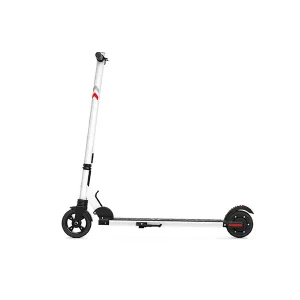
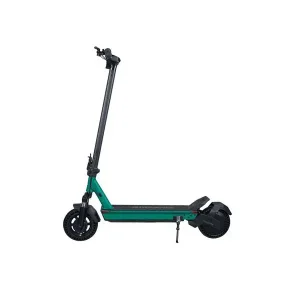
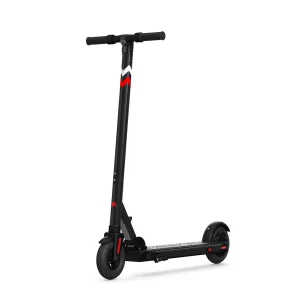
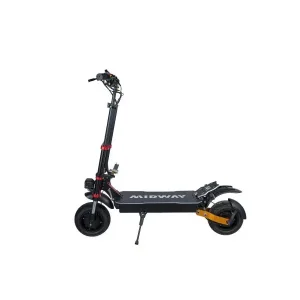
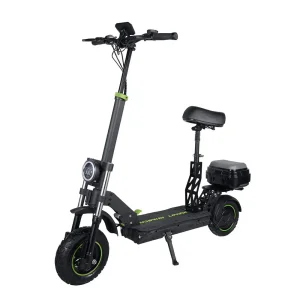
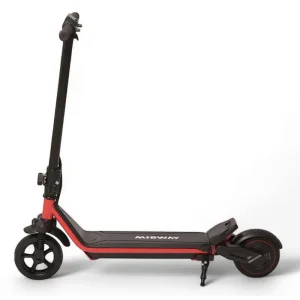
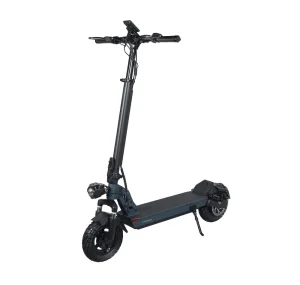
Explore our comprehensive lineup of wholesale electric scooters engineered for distributors, retailers, and fleet operators.
Clear, technical insights to help commercial buyers, fleet operations directors, and wholesalers make informed sourcing decisions.
Our electric scooters utilize custom low-temperature BMS algorithms and thermal-insulated battery enclosures. The lithium-ion cell chemistries selected maintain up to 82% of nominal capacity even at -10°C, compared to standard consumer scooters which experience up to 40% loss. Additionally, controller boards receive conformal anti-moisture coating to protect against condensation during freeze-thaw cycles.
Yes, all our export models intended for North America are engineered in strict alignment with UL 2272 electrical safety guidelines. Complete system testing covers battery pack impact resistance, overcharge protection, short-circuit containment, and thermal stability. We provide official test certification binders for hassle-free US Customs clearance.
Standard factory production lead time is 25 to 35 business days from order confirmation and deposit. Ocean freight transit to US ports followed by rail transport to Chicago rail hubs typically takes 22 to 28 days, bringing total delivery timeframe to approximately 50-60 days for container-load (FCL) orders.
Absolutely. We offer full OEM/ODM firmware integration. Our controllers support MQTT and HTTP communication protocols compatible with major global IoT software platforms. We can pre-install your choice of 4G LTE GPS trackers, custom branding logos, color schemes, and app UI branding.
We supply 2% to 3% complementary high-wear spare parts (tires, brake pads, levers, throttle assemblies) with every bulk order. Major structural components—including motors, aluminum frames, and battery packs—are backed by a 12 to 24-month manufacturer warranty with expedited air shipment of replacement modules.
Our standard MOQ for custom logo application and branding packaging is 100 units. For complete custom color matching, bespoke frame geometry modifications, or specialized battery configurations, the typical MOQ ranges from 300 to 500 units per model platform.
Partner with a trusted electric scooter manufacturer serving Chicago and global enterprise distributors. Contact our engineering and sales experts today for custom quotes, technical spec sheets, and sample evaluations.
