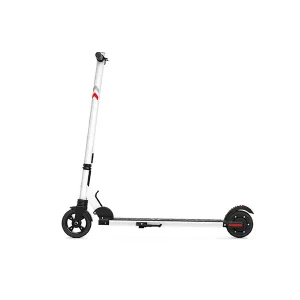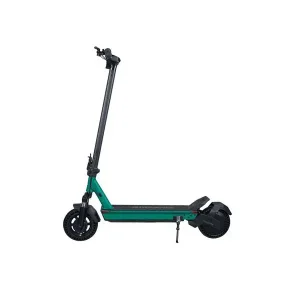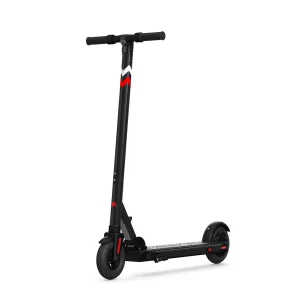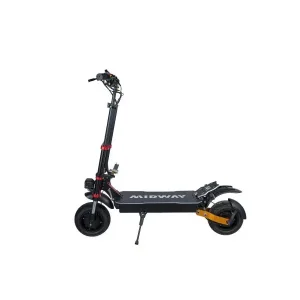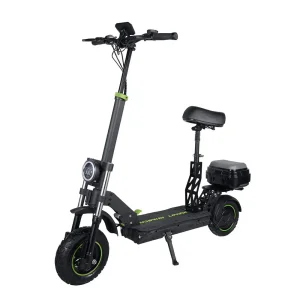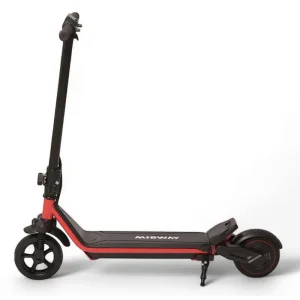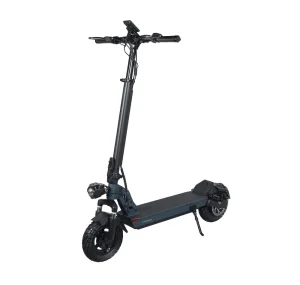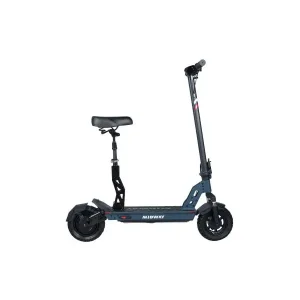
Engineered for steep incline performance, IPX6 water resistance, and high-efficiency lithium battery management.
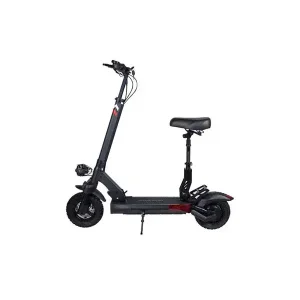
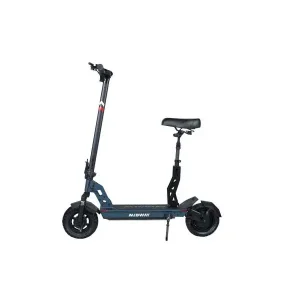
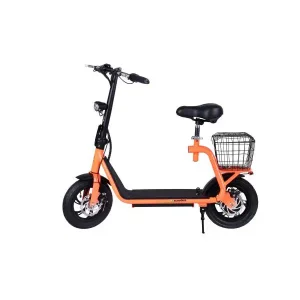
As the Pacific Northwest's primary economic engine, Seattle, Washington presents a unique micro-mobility ecosystem defined by rapid urbanization, high tech-workforce density, aggressive municipal decarbonization goals, and notoriously demanding physical geography. For electric scooter manufacturers and global procurement teams targeting the Seattle market, off-the-shelf consumer scooters are fundamentally inadequate. Serving Seattle requires specialized engineering designed around steep elevation gradients, persistent maritime rainfall, rigorous Seattle Department of Transportation (SDOT) regulatory standards, and demanding commercial enterprise requirements.
This whitepaper serves as an exhaustive technical guide for business executives, fleet operators, regional distributors, and OEM buyers seeking to understand the industrial, regulatory, and engineering dynamics of manufacturing and supplying high-performance electric scooters for Seattle and the broader Puget Sound region.
Seattle’s steep glacial topography—spanning First Hill, Queen Anne, and Capitol Hill—demands dual-motor configurations or high-torque BLDC motors operating above 48V to prevent thermal shutdown on 15–20% grades.
With an average of 152 rainy days per year, electrical enclosures, motor hubs, battery compartments, and wire harness junctions must meet minimum IPX6 water protection to eliminate moisture ingress and corrosion risks.
Compliance with North American safety frameworks—specifically UL 2272 for electrical systems and UN 38.3 for lithium battery transport—is a non-negotiable prerequisite for enterprise import and distribution.
Designing electric scooters capable of long-term reliability in Seattle requires solving three interconnected physical challenges: continuous mechanical stress from hill climbing, water ingress from wet asphalt and rainfall, and traction management on slick surfaces.
Standard 250W or 350W budget scooters suffer from extreme thermal throttle or complete motor stall when negotiating Seattle’s street gradients (e.g., Madison Street or Queen Anne Avenue, which frequently exceed 12% to 18% slopes). To maintain sustained speeds of 15–20 mph under heavy load (up to 120 kg rider weight), our manufacturing blueprints utilize minimum 48V/52V architecture paired with Field-Oriented Control (FOC) sine-wave controllers.
While peak wattage handles short bursts, continuous torque measured in Newton-meters (Nm) determines hill-climbing endurance. For Seattle fleet deployment, hub motors must deliver at least 35 Nm to 65 Nm of continuous torque with thermal protection sensors (NTC thermistors) embedded directly into the copper stator windings to auto-regulate current before overheating occurs.
Seattle receives approximately 38 inches of rainfall annually. Water intrusion into the battery box or controller housing is the leading cause of warranty claims for micro-mobility fleets. Our manufacturing specifications employ a multi-layered IP protection framework:
| Subsystem Component | Standard OEM Rating | Seattle Commercial Spec | Engineering Seal Material |
|---|---|---|---|
| Battery Enclosure | IP54 (Splash Proof) | IPX7 (Submersible 1m) | CNC Machined Aluminum + Vulcanized Silicone Gaskets |
| Brushless Hub Motor | IP55 (Dust/Water Jet) | IPX6 (Powerful Water Jets) | Double-Lip Oil Seals + Anti-Rust Stator Coating |
| Electronic Controller | Conformal Coated | Full Epoxy Resin Potting | Thermally Conductive Polyurethane Potting Compound |
| Display & Cockpit | IP54 | IP65 / IP67 Integrated | Ultrasonically Welded Polycarbonate Lens |
Regenerative electric braking combined with mechanical disc brakes or enclosed drum brakes is critical on wet, leaf-covered Seattle descents. We incorporate Dual Hydraulic Disc Brakes with E-ABS (Electronic Anti-Lock Braking System). The E-ABS prevents rear-wheel lockup during sudden stops on slick wet asphalt, feeding braking kinetic energy back into the battery array via controlled reverse torque.
Furthermore, tire compound selection is crucial. Hard solid tires lack wet grip on damp streetcar tracks (such as the South Lake Union Streetcar lines) and brick pavements. We manufacture with custom silica-infused 10-inch or 11-inch pneumatic tubeless tires featuring deep directional tread patterns optimized for water evacuation and wet slip mitigation.
The global electric scooter manufacturing industry has transitioned from low-cost consumer gadgets to highly sophisticated micro-mobility transit hardware. Operating out of primary manufacturing hubs in China (such as Zhejiang and Jiangsu hardware zones), premier OEM/ODM factories provide the production capacity, precision machinery, and component supply chains needed to support international brands and municipal operations in Seattle.
The battery pack represents 35% to 45% of the total bill of materials (BOM) for an industrial electric scooter. To comply with North American safety standards and prevent thermal runaway incidents, our manufacturing operations exclusively integrate Tier-1 Grade-A lithium-ion cells (such as LG Energy Solution, Samsung SDI, or CATL) formatted in 18650 or 21700 cell geometries.
Every battery pack features an intelligent BMS supporting CAN-bus communication. The BMS continuously monitors individual cell voltages, pack temperatures, over-charge protection, over-discharge cutoff, and short-circuit prevention. For Seattle commercial buyers managing large scooter fleets, telemetry data from the smart BMS can be broadcast in real-time to cloud management dashboards.
Nickel strip spot-welding executed by automated 6-axis robotic arms guarantees consistent resistance values and zero cold-solder joints across high-capacity lithium arrays.
Aviation-grade 6061-T6 aluminum frames undergo 300,000-cycle dynamic vibration and impact endurance testing to prevent structural fatigue under heavy Seattle load profiles.
100% of finished production units undergo 15-minute high-pressure water spray chamber tests and dynamometer load testing prior to export packaging.
As micro-mobility integrates further with smart city infrastructure and corporate transit systems across Seattle and King County, electric scooter hardware is undergoing a technological revolution. Manufacturers are advancing beyond basic transportation into connected, intelligent mobility nodes.
The commercial market for electric scooters in Seattle spans multiple distinct sectors, each requiring custom hardware configurations and tailored procurement strategies from OEM manufacturers:
Major tech campuses across Seattle and Bellevue (Amazon, Microsoft, Google, Meta) deploy private employer-sponsored scooter fleets to facilitate last-mile transit between Light Rail stations and office towers. Key requirements: Foldable frames, ultra-quiet BLDC motors, clean design aesthetics, and custom brand liveries.
Commercial shared-mobility operators operating under Seattle Department of Transportation permits require ruggedized, non-foldable commercial scooters. Specifications include swappable 48V batteries, anti-vandalism hidden wiring, heavy-duty kickstands, and integrated IoT locks.
Courier services navigating Seattle's congested urban core utilize heavy-duty electric kick scooters equipped with rear cargo racks, dual batteries for 60+ mile operational range, and puncture-proof solid or reinforced pneumatic tires.
Importing commercial shipments of electric scooters through the Port of Seattle or Port of Tacoma requires strict adherence to U.S. Customs and Border Protection (CBP) regulations and federal safety mandates:
Expanding your fleet, launching a regional dealership, or sourcing custom OEM micro-mobility hardware for the Seattle market? Speak directly with our engineering team today.
Send Inquiry NowExplore our full line of factory-direct models, from ultra-lightweight city kick-scooters to heavy-duty dual-motor models.