Engineered for superior heat tolerance, heavy load efficiency, and high-clearance rough road navigation across West African urban centers.
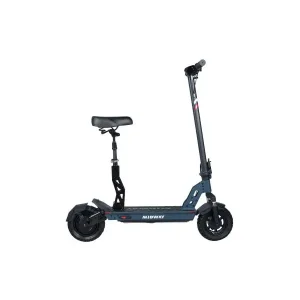
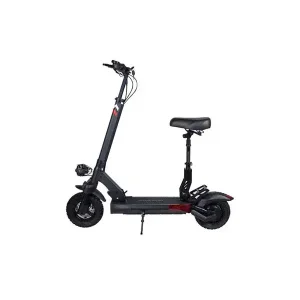
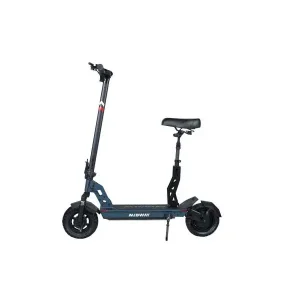
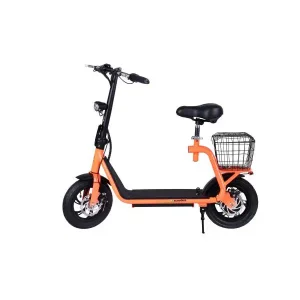
Why Nigerian commercial enterprises and commuters are rapidly transitioning from internal combustion engine (ICE) two-wheelers to electric micro-mobility solutions.
The macroeconomic landscape of Nigeria is currently experiencing a profound structural pivot in urban transportation and last-mile logistics. Following the removal of the premium motor spirit (PMS) fuel subsidy, operating traditional gasoline-powered delivery fleets and personal motorcycles ("okadas") has become economically challenging for businesses across major urban hubs like Lagos, Abuja, Port Harcourt, and Kano. As fuel expenditures rise, light electric vehicles (LEVs) and heavy-duty electric scooters have emerged as an operational alternative for urban transit and commercial distribution.
Concurrently, severe traffic congestion in metropolitan centers—most notably along the Lekki-Epe expressway, Ikeja industrial axis, and Port Harcourt commercial quarters—demands nimble, high-torque, zero-emission vehicles capable of filtering through dense traffic while carrying significant payloads. Electric scooters engineered with high ground clearance, dual suspension, and high-discharge brushless hub motors provide commercial operators with the throughput required to sustain profitability.
Deploying specialized electric scooter configurations to solve specific operational challenges in West Africa's largest economy.
In fast-paced delivery networks like Jumia, Konga, and local dispatch fleets operating in Ikeja and Victoria Island, low operating costs are critical. Our 600W to 1000W electric scooters equipped with dual rear suspension and reinforced rear luggage racks allow dispatch riders to execute 40 to 70 kilometers of daily deliveries per charge cycle at a fraction of gasoline costs.
Expansive self-contained environments—such as Banana Island estates, Lekki Phase 1 residential zones, and large university campuses (e.g., University of Lagos, Covenant University)—require clean, quiet internal transit. Compact 350W-500W electric scooters provide swift, zero-emission internal mobility without noise or exhaust pollution.
Manufacturing complexes along the Ogun-Lagos corridor (Agbara, Sagamu) and free trade zones require rapid perimeter security response. All-terrain 10-inch scooters with puncture-resistant tubeless tires enable security personnel to inspect large facility grounds efficiently day and night.
Standard consumer-grade kick scooters often fail prematurely under tropical heat, dusty air, and unpaved secondary roads. Our engineering team has built hardware enhancements tailored for African environmental resilience.
Operating in ambient tropical temperatures exceeding 35°C requires advanced battery protection. Our specialized Battery Management System (BMS) features real-time thermal monitoring, over-current cut-offs, and balanced cell discharge protocols. We utilize high-stability Lithium Iron Phosphate (LiFePO4) and premium NMC 18650/21700 cells capable of retaining >80% capacity even after 1,000 deep discharge cycles in hot climates.
Navigating potholes, unpaved gravel, and seasonal flooding demands heavy-duty chassis construction. Our Nigerian-spec models feature an elevated deck clearance (up to 180mm), dual hydraulic or spring shock absorption, and 10-inch off-road tubeless tires reinforced with anti-puncture sealant gel, reducing tire flat rates by over 90%.
To counteract localized grid instability and power outages, our technical roadmap emphasizes quick-release modular battery packs. Fleet operators can charge secondary batteries using off-grid solar-inverter systems during peak sunlight hours, enabling continuous vehicle uptime without relying solely on grid power.
West Africa's rainy season presents heavy downpours and water accumulation. Our electronic speed controllers (ESC), LED display head units, and motor hubs are treated with hydrophobic conformal coating and silicone seals, achieving IP65 water ingress protection to prevent electrical short-circuits during wet weather rides.
Leveraging Wuyi's hardware manufacturing ecosystem to provide Nigerian distributors with unbeatable pricing, scalable production, and custom branding.
Operating from a 34,000 m² modern manufacturing facility in Wuyi, Zhejiang, we control chassis stamping, robot-welding, surface powder-coating, motor winding, and final assembly in-house. This cuts out middleman markups for Nigerian buyers.
We offer Complete Knock-Down (CKD) and Semi-Knock-Down (SKD) shipment configurations for high-volume Nigerian importers. Importing SKD kits allows local assembly partners to lower customs tariffs and create local technical jobs in Nigeria.
Every electric scooter leaves our production line only after undergoing rigorous dyno testing, battery load testing, chassis vibration simulations, and water immersion tests, guaranteeing minimal DOA rates upon arrival in West Africa.
End-to-end export support ensuring your shipments pass smoothly through Apapa and Tin Can Island ports without regulatory friction.
Importing electric scooters into Nigeria requires strict adherence to standards established by the Standards Organisation of Nigeria (SON). Our factory works closely with international inspection agencies (such as SGS, Intertek, and Cotecna) to issue the mandatory Product Certificate (PC) and SONCAP Certificate (SC). This guarantees compliance with safety specifications regarding electrical wiring, charger safety, and lithium battery stabilization (UN38.3 transport safety standard).
Furthermore, we assist Nigerian corporate clients with spare parts buffer planning. Every container shipment (20FT / 40HQ) can be bundled with a 3% to 5% fast-moving spare parts package—including controllers, brake pads, throttles, inner tubes, and BMS boards—ensuring that your local service centers in Lagos, Abuja, or Ibadan maintain immediate repair capability without operational downtime.
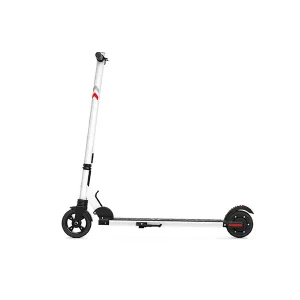
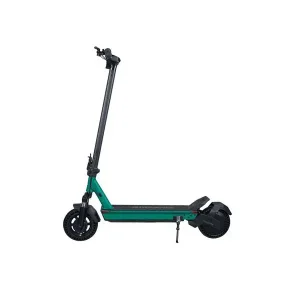
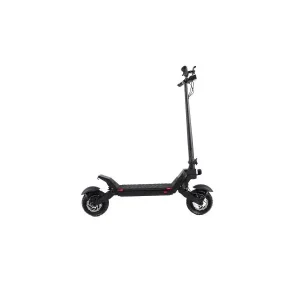
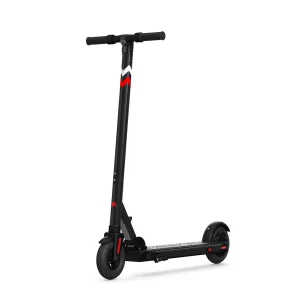
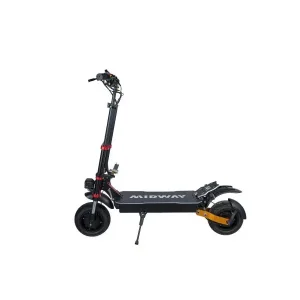
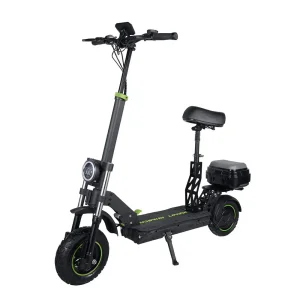
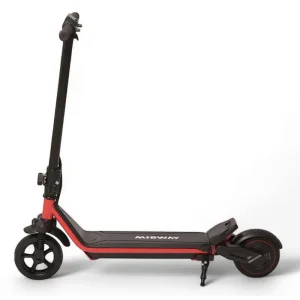
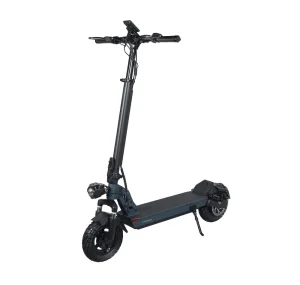
Select from our certified wholesale electric scooter configurations designed for retail distribution, corporate fleets, and regional wholesale markets.
Clear answers to critical questions regarding logistics, certifications, customization, and after-sales support.
For standard production models, our base MOQ starts at 50 units. For full OEM customization (custom branding, box art, specific battery capacity, and colorways), our MOQ is typically 100 to 200 units (matching a 20FT container capacity). We also offer sample evaluation orders for verified corporate importers prior to bulk contract execution.
All our lithium battery packs undergo strict UN38.3 testing, MSDS verification, and dangerous goods (DG) packaging certification. They are packed in flame-retardant, shock-isolated inner containers compliant with international maritime dangerous goods (IMDG) shipping codes for safe transit into Lagos (Apapa/Tin Can) or Port Harcourt ports.
Yes. We provide complete technical documentation, test reports, and CE/RoHS certificates required by accredited inspection agencies (such as SGS or Intertek) to issue the Product Certificate (PC) and SONCAP Certificate (SC), preventing port clearance delays.
Our models designated for the African continent feature upgraded MOSFET heat sinks within the ESC controllers, elevated deck clearance (150mm–180mm), reinforced high-carbon steel/aluminum alloy frames, and tubeless tires with internal self-healing sealant gel designed to withstand heavy wear and thermal stress.
Standard production cycles range between 20 to 30 business days following deposit confirmation and artwork approval. Transit time from Ningbo/Shanghai port to Lagos ports typically averages 30 to 40 days depending on vessel routing.
Expand your distribution network or upgrade your commercial delivery fleet in Nigeria with certified, factory-direct electric scooters. Contact our international export division today for factory pricing, specifications, and sample requests.
Send Inquiry Now