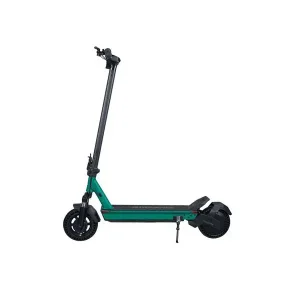
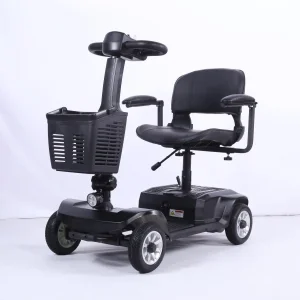
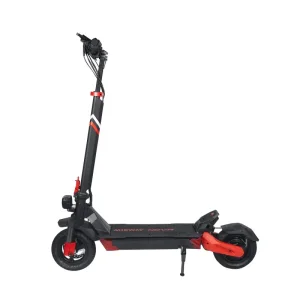
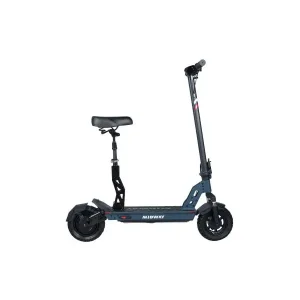
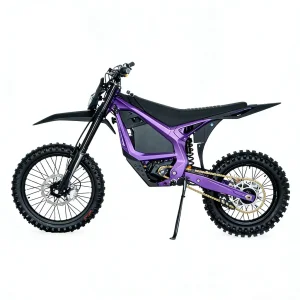
Explore China's leading export-grade 3-wheel and 2-wheel electric mobility scooters, engineered with high-torque brushless hub motors, smart app integration, and long-range lithium battery architectures.
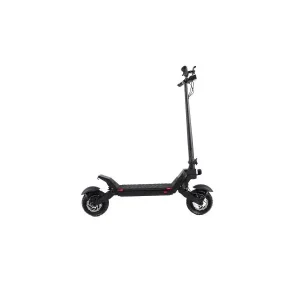
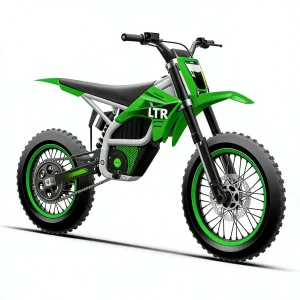
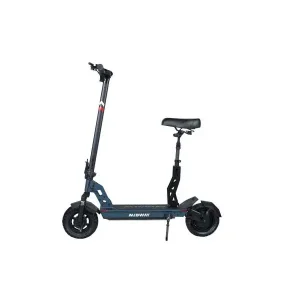
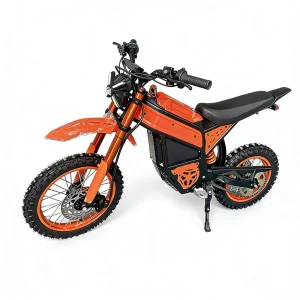
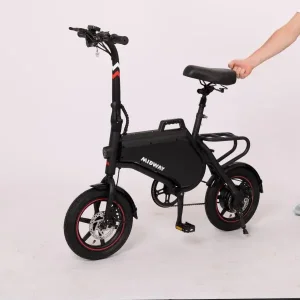
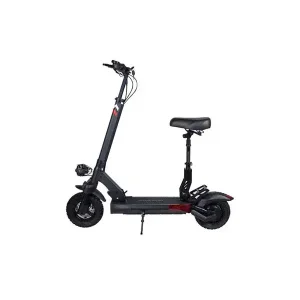
The global demand for personal mobility devices has undergone a structural paradigm shift over the past decade. Driven by demographic aging in developed economies, accelerating urbanization, and stringent zero-emission urban transport mandates, the market for 3 wheel mobility scooters has transformed from a niche medical-rehabilitation segment into a multi-billion-dollar commercial mobility sector.
According to international market analytics, the global mobility scooter market was valued at approximately USD 2.1 Billion in 2023 and is projected to expand at a compound annual growth rate (CAGR) of 8.4% through 2032. China stands at the absolute epicenter of this industrial evolution. Controlling over 70% of the world's total production capacity for light electric vehicles (LEVs), Chinese OEM/ODM manufacturers possess unmatched advantages in component supply chains, battery integration technology, precision frame fabrication, and cost-efficient mass manufacturing.
By 2030, over 1.4 billion people worldwide will be aged 60 or older. 3-wheel mobility scooters provide the essential lateral stability, low step-over height, and ergonomic seating required by silver-generation consumers to maintain independent mobility in daily life.
Beyond medical applications, commercial enterprises are deploying customized heavy-duty 3-wheel electric cargo tricycles for micro-deliveries, postal services, facility management, and resort transportation, capitalizing on low operating costs and high payload capacity.
Stricter safety standards—including EU EN17128, EEC L2e/L6e homologation, US UL2272 electrical safety certifications, and UN38.3 lithium battery transport requirements—have elevated the barrier to entry, favoring top-tier Chinese manufacturers with mature R&D capabilities.
The concentration of personal electric vehicle manufacturing in China is not merely a result of labor scale, but rather the consequence of highly specialized regional industrial clusters. Regions such as Zhejiang (Wuyi, Jinhua, Yongkang) and Jiangsu (Wuxi, Changzhou) have engineered full-value-chain ecosystems where every critical component—from robotic TIG welding of high-tensile carbon steel frames to surface powder coating, SMT circuit board assembly, and motor winding—is sourced within a 50-kilometer radius.
Chinese factories lead in high-efficiency Brushless DC (BLDC) hub motors and differential rear-axle gearboxes, delivering up to 92% energy efficiency and superior gradeability (climbing angles up to 20°).
Direct integration with CATL, BYD, and EVE cell suppliers enables OEMs to offer advanced Lithium Iron Phosphate (LiFePO4) and NMC battery packs featuring 2,000+ charge cycles and smart BMS telematics.
In-house tooling and CNC plastic injection mold development allow rapid prototyping, enabling global distributors to move from CAD design to mass production of custom bodyworks in under 60 days.
Leading manufacturers utilize automated chassis fatigue testers, salt-spray anti-corrosion chambers, double-drum dynos, and IPX6 rain simulation booths to guarantee 100% export compliance.
The application of 3-wheel mobility scooters has expanded significantly beyond indoor home use. Engineing adaptations allow these vehicles to serve diverse operating environments, terrain profiles, and commercial demands across different geographic regions.
Designed for retirement communities and rehabilitation centers. Features include ultra-low center of gravity, zero-radius turning capability for narrow indoor corridors, electromagnetic automatic parking brakes, and orthopedically contoured swivel seats.
Compact folding 3-wheelers targeting suburban commuters. Engineered with lightweight aluminum frames, quick-fold mechanisms for trunk storage, digital LED dashboards, and smartphone app connectivity with GPS anti-theft tracking.
Reinforced chassis models configured with rear cargo boxes or passenger seats. Utilized in airport terminals, amusement parks, industrial warehouses, and eco-resorts for low-speed material handling and VIP guest transport.
When sourcing from China 3 wheel mobility scooters manufacturers, global B2B buyers must evaluate engineering parameters across different vehicle tiers. Below is a comprehensive specification matrix comparing standard, folding, and heavy-duty commercial configurations:
| Specification Parameter | Lightweight Folding Tier | Standard Senior Mobility Tier | Heavy-Duty / Commercial Tier |
|---|---|---|---|
| Motor Power (Nominal/Peak) | 180W – 350W Brushless Hub | 500W – 800W Transaxle BLDC | 1000W – 1500W Rear Differential |
| Battery System | 36V / 48V Lithium-ion (Quick-swappable) | 24V / 48V AGM Lead-Acid or LiFePO4 | 60V / 72V High-Capacity Lithium NMC |
| Max Speed Range | 6 km/h – 15 km/h (Regulated) | 8 km/h – 25 km/h | 25 km/h – 45 km/h (EEC Class L2e) |
| Operating Range per Charge | 15 km – 25 km | 35 km – 50 km | 60 km – 100+ km |
| Max Payload Capacity | 100 kg – 120 kg | 150 kg – 180 kg | 200 kg – 350 kg |
| Braking Architecture | Electromagnetic Dynamic Braking | Intelligent Electromagnetic + Rear Drum | Front/Rear Hydraulic Disc Brakes |
| Suspension Setup | Spring Damped Front Fork | Dual Hydraulic Rear Shock Absorbers | Four-Wheel Independent Wishbone / Heavy Springs |
| Chassis Structure | Aircraft-grade 6061 Aluminum Alloy | Robotic Welded Carbon Steel Frame | Reinforced High-Tensile Steel Tubular Frame |
The Chinese personal mobility manufacturing industry is undergoing rapid technological convergence. Next-generation 3-wheel mobility scooters are integrating automotive-grade smart technologies, shifting from passive transport devices to connected smart mobility platforms.
Implementation of CAN-bus vehicle networks, IoT remote diagnostics, real-time battery status monitoring, and ultrasonic obstacle avoidance sensors to prevent tip-overs and collisions in eldercare facilities.
Transition toward semi-solid-state lithium chemistry offering double the energy density, elimination of thermal runaway fire risks, and ultra-fast 15-minute charging protocols (80% SOC).
Active leaning front-wheel axle geometry that tilts into turns, maintaining high-speed stability while retaining the tight turning radius benefits inherent to 3-wheel vehicle configurations.
Selecting the right China 3 wheel mobility scooter manufacturer requires rigorous due diligence beyond price negotiation. Professional B2B importers, brand owners, and medical equipment distributors should evaluate suppliers against five critical operational benchmarks:
Ensure the factory operates under ISO9001 and ISO13485 (Medical Device Quality System) certifications with full IQC (Incoming Quality Control) and OQC (Outgoing Quality Control) traceabilities.
Verify existing test reports for destination markets: CE (MD 2006/42/EC), RoHS 2.0, EN17128, UL2272, EEC L2e approval, and MSDS/UN38.3 transport certification for lithium batteries.
Audit R&D depth: Does the supplier provide full private label service, custom colorways, graphic design packaging, custom controller firmware tuning, and localized user manuals?
Confirm long-term supply agreements for critical wear-and-tear components (controllers, throttle assemblies, brake pads, tires, battery connectors) with 2% FOC (Free of Charge) spare parts allocation.
Direct expert responses to common procurement, compliance, technical, and logistical questions regarding 3-wheel electric mobility scooters manufactured in China.
Request detailed CAD specifications, factory audit reports, wholesale pricing tiers, and custom OEM proposal packages directly from our engineering team.
Contact Our OEM Engineering Sales TeamBrowse our extended product portfolio including high-power urban commuter scooters, long-range lithium dirt bikes, and senior folding mobility solutions straight from our production factory.