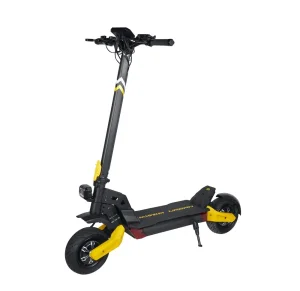
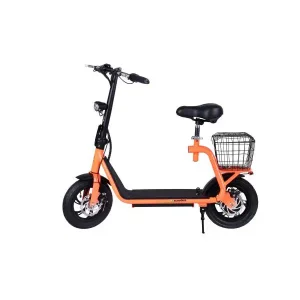
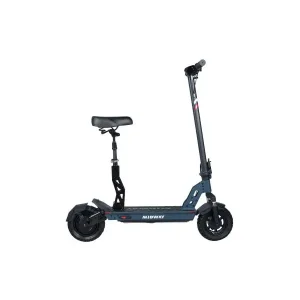
High-torque hub motors, certified Li-ion power packs, and heavy-duty chassis engineered for global commercial deployment.
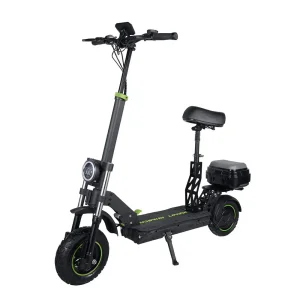
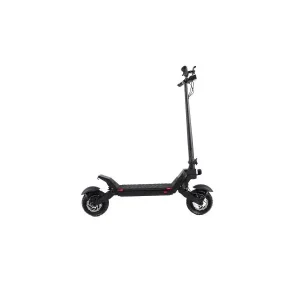
The global micro-mobility ecosystem is undergoing a profound paradigm shift driven by urban congestion, stringent municipal carbon-neutral mandates, and rapid advancements in electrochemical energy storage. As modern metropolitan centers restrict internal combustion engine (ICE) passenger vehicles from central business districts (CBDs), **wholesale commuter electric scooters** have transitioned from recreational novelties to critical components of urban transportation infrastructure.
According to recent global transport logistics data, the global electric scooter market is projected to expand at a compound annual growth rate (CAGR) exceeding 8.4% over the next decade. For enterprise importers, regional distributors, and fleet operators, securing a reliable, engineering-centric **electric scooter manufacturer** is no longer merely a purchasing decision—it is a strategic imperative that directly governs unit economics, warranty liability, brand prestige, and regulatory compliance.
As a premier manufacturer headquartered in Wuyi, Zhejiang, China, **WuYi YueMa Leisure Articles Co., Ltd.** operates at the forefront of this industrial transition. By combining vertically integrated chassis stamping, robotic welding, algorithmic Battery Management System (BMS) integration, and rigorous multi-stage quality assurance, Yuema provides global B2B partners with direct factory access to premium-grade commuter vehicles that surpass Western safety standards including EN 17128, UL 2272, and CE directives.
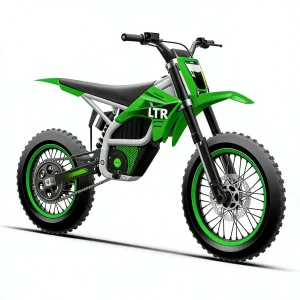
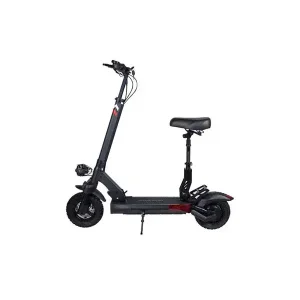
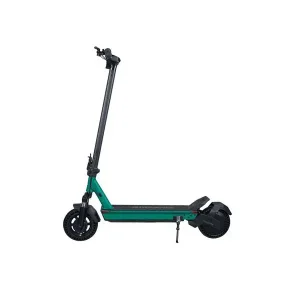
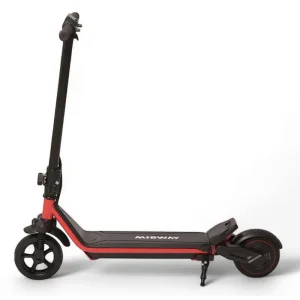
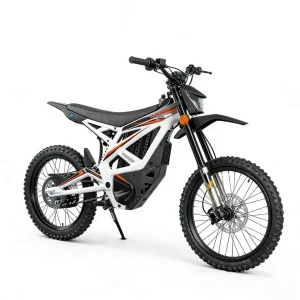
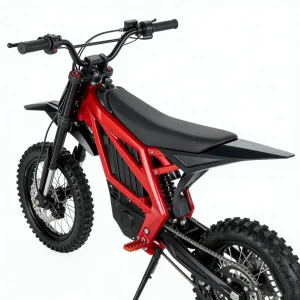
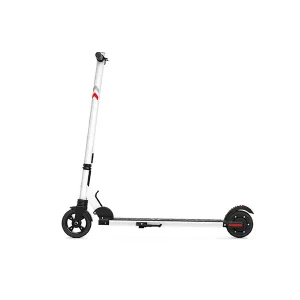
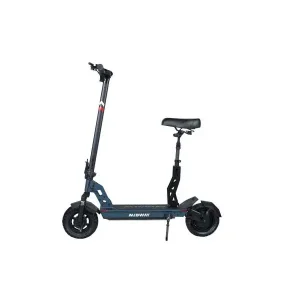
To assist procurement managers and technical directors in evaluating commercial-grade commuter e-scooters, the matrix below details the standardized engineering benchmarks implemented across Yuema’s core manufacturing lines—ranging from lightweight 150W urban gliders to heavy-duty 1000W+ all-terrain and high-capacity electric motorcycle platforms.
| Platform Segment | Powertrain Configuration | Battery Architecture | Max Payload / Incline | Braking Systems | Primary Application Target |
|---|---|---|---|---|---|
| Ultra-Light Commuter | 150W - 250W Brushless Hub | 24V 6.0Ah - 10Ah NMC | 90 kg / 10% Grade | Rear E-ABS + Regenerative | First/Last-Mile, Micro-Transit |
| Urban Standard Fleet | 500W - 600W Brushless Hub | 36V / 48V 15Ah Li-ion | 120 kg / 18% Grade | Dual Disc + Electronic ABS | Daily City Commute, Rental Fleets |
| High-Torque Performance | 1000W Dual-Magnet Hub | 48V 20Ah - 25Ah High-Density | 150 kg / 25% Grade | Hydraulic Dual Disc + EBS | Hilly Topography, All-Terrain |
| Commercial Heavy-Duty | 5000W - 13.5KW Mid-Drive/Hub | 60V / 72V 40Ah Modular Pack | 200+ kg / 35% Grade | Combined Braking System (CBS) | Last-Mile Logistics, Moto-Freight |
Unlike standard consumer-grade scooters utilizing budget 6061-T4 aluminum alloys, Yuema’s heavy-duty chassis structures utilize proprietary **aviation-grade 6061-T6 heat-treated aluminum-magnesium alloys** and cold-rolled structural steel components. This guarantees a fatigue threshold exceeding 300,000 stress cycles under maximum payload testing, dramatically reducing structural failure rates in fleet environments.
Understanding local urban topology, climate variables, and legislative frameworks is mandatory when sourcing wholesale electric scooters. A scooter optimized for the flat, bike-lane-rich infrastructure of Amsterdam will perform sub-optimally in the steep, cobblestone terrain of Lisbon or the expansive suburban road networks of North America.
Within the EU market, compliance with **EN 17128:2020** (Personal Light Electric Vehicles) and strict speed-capping at 25 km/h (or 20 km/h in Germany under eKFV regulations) is mandatory. European buyers require dual independent braking systems, integrated reflector arrays, IPX5 or higher water resistance ratings to withstand temperate Atlantic precipitation, and certified BMS hardware preventing thermal runaway under strict CE/RoHS mandates.
North American buyers prioritize higher top speeds (up to 32–40 km/h where permitted), superior incline climbing power (1000W+ powertrains), and expansive battery capacities to handle extended distance commuting across multi-lane suburban arteries. Compliance with **UL 2272** electrical safety testing is non-negotiable for US and Canadian market entry.
In emerging economies, micro-mobility vehicles serve double duty as personal transport and primary commercial workhorses for gig-economy delivery fleets (food, parcel, and last-mile logistics). Rugged frame durability, high payload capacities (150kg+), easy component serviceability, and cost-effective maintenance profiles are paramount.
Hospitality venues, industrial parks, and private security forces demand low-noise, zero-emission personal transporters with high reliability and ergonomic operation. Speed-governed 24V-36V platforms with integrated utility baskets and wide decks offer maximum operational safety for non-technical operators.
Sourcing directly from a tier-1 manufacturing origin like WuYi YueMa Leisure Articles Co., Ltd. eliminates intermediary markup while guaranteeing total visibility over component sourcing and assembly quality. Located in the hardware industrial manufacturing hub of Wuyi, Zhejiang, Yuema leverages two decades of mechanical engineering mastery to deliver end-to-end OEM/ODM customization.
Structural integrity begins at the frame level. Our automated multi-axis robotic welding cells ensure 100% consistent weld penetration, eliminating the thermal stress micro-fractures common in manual welding processes. Every batch undergoes non-destructive ultrasonic testing and dynamic vibration load testing up to 500,000 cycles.
Safety in lithium-ion technology requires relentless rigor. Yuema utilizes A-grade 18650 and 21700 lithium cells configured with multi-tier Smart BMS boards. Features include over-charge protection, over-discharge safety cut-offs, thermal sensors, short-circuit insulation, and cell-balancing logic certified under UN 38.3 transport standards.
Prior to box packaging, 100% of manufactured scooters are routed through our computerized dynamic test track. Technicians evaluate peak acceleration torque, regenerative braking efficiency, IP-grade water tightness via rain simulation booths, headlight lumen output, and digital dashboard telemetry alignment.
To simplify customs clearance and legal importation into key target markets, Yuema holds comprehensive international validation documentation:
The micro-mobility market is advancing beyond basic motor performance into intelligent connected vehicle ecosystems. B2B importers who align with forward-looking factories gain an immediate competitive moat. Yuema’s R&D engineering roadmap focuses on four primary technological pillars:
Future commuter platforms feature native CAN-bus communication modules integrated with GPS/GLONASS cellular telematics. This allows fleet operators and private label distributors to offer smartphone companion apps with remote lock/unlock, OTA (Over-The-Air) firmware updates, geofencing capabilities, and real-time anti-theft tracking.
By deploying smart algorithms within the BMS, our next-generation controllers monitor internal battery resistance, charge cycles, thermal variance, and motor controller MOSFET health in real-time, sending proactive maintenance alerts to preventing field breakdowns before they occur.
To enhance battery lifespan and fire safety, Yuema is transitioning select commercial models toward Lithium Iron Phosphate (LiFePO4) and semi-solid-state chemistries, delivering over 2,000 to 3,000 full charge cycles—triple the lifespan of standard ternary lithium batteries.
Emphasizing sustainable lifecycle design, future frame platforms feature modular quick-release component bays. This allows distributors to swap motors, controllers, or batteries in under 3 minutes, minimizing labor costs for warranty maintenance and facilitating 95%+ material recyclability.
Establishing a lucrative micro-mobility brand or expanding an existing distribution network requires careful operational planning beyond initial unit pricing. Enterprise buyers should evaluate the following core procurement pillars:
At Yuema, we support flexible customization tiers tailored to buyer market maturity:
A primary failure point for growing scooter brands is the lack of after-sales spare parts support. Yuema recommends reserving a 3% to 5% spare parts buffer on every full-container load (FCL) shipment. We supply pre-packaged service bundles including replacement inner tubes/tires, brake pads, thumb throttles, LED display screens, and replacement controllers to ensure zero customer downtime in your domestic market.
Our standard production MOQ for custom OEM branding starts at 50 to 100 units per model, depending on the specific model configuration. For sample evaluation or initial trial market testing, we can accommodate smaller batch orders from existing factory stock runs.
Standard manufacturing lead time is 25 to 35 business days following deposit confirmation and artwork approval for custom branding. Transit times vary by target destination: 28-35 days for Western European ports, 18-25 days for US West Coast, and 12-18 days for Southeast Asian maritime routes.
We provide a comprehensive 12-month factory warranty covering core components—including the frame assembly, electric hub motor, battery pack, and main electronic controller. Warranty replacement parts are shipped alongside subsequent container orders or dispatched via express courier for immediate customer service resolution.
Yes. Controller firmware can be customized at the factory level to cap top speeds according to your jurisdiction (e.g., 25 km/h for the EU/UK, 20 km/h for Germany, or 32 km/h / 20 mph for North America). Speed restriction toggles can also be programmed for end-user app control.
Every shipment includes a full documentation pack containing CE Declaration of Conformity (DoC), EN 17128 compliance certificates, UN 38.3 lithium battery transport safety reports, MSDS sheets, and material safety inspection logs required by international maritime customs.
Explore specialized long-range, smart-app connected, and high-capacity mobility platforms ready for global distribution.