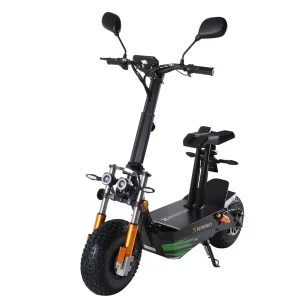
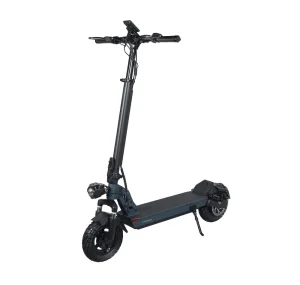
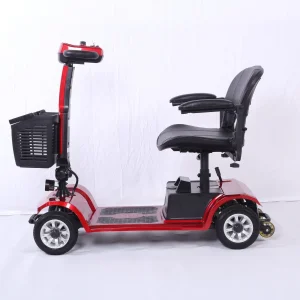
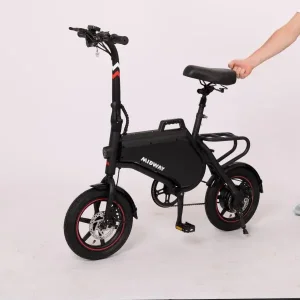
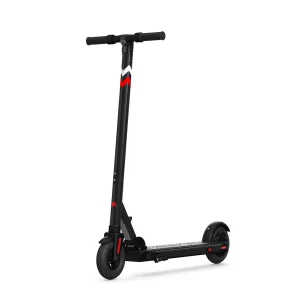
Explore our core manufacturing spectrum engineered for commercial distribution, urban commute networks, and heavy-duty applications.
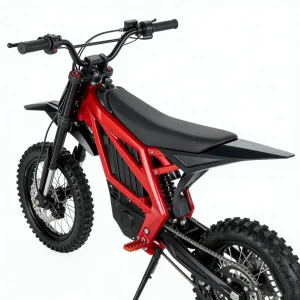
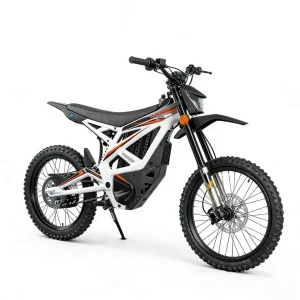
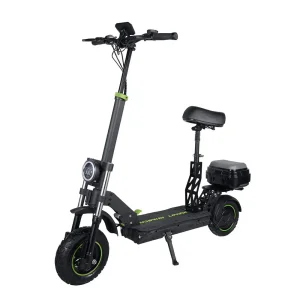
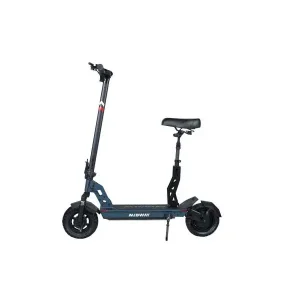
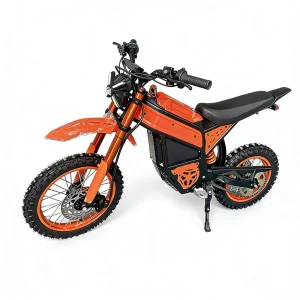
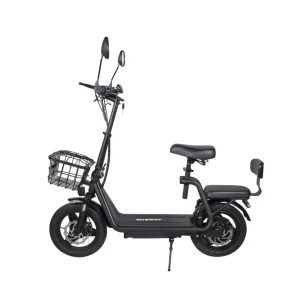
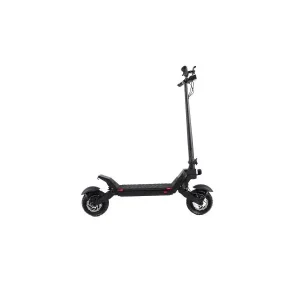
Analysis of micro-mobility market dynamics, urbanization density, fleet logistics, and supplier compliance standards through 2030.
The global shift toward zero-emission urban transport has positioned the fold up electric scooter as the premier solution for the "first-and-last-mile" dilemma. By integrating seamlessly with metro networks, bus rapid transit (BRT), and personal vehicle trunks, folding e-scooters eliminate parking friction and reduce urban congestion. Importers sourcing from China factories must evaluate structural integrity to withstand high daily multi-fold cycles.
Global regulatory frameworks have matured. Major import destinations enforce rigorous standardizations—most notably EN 17128:2020 in the European Union and UL 2272 across North America. Sourcing from tier-1 suppliers like WuYi YueMa Leisure Articles Co., Ltd. ensures full compliance with electrical safety, battery management system (BMS) thermal stability, and mechanical strength standards required for frictionless customs clearance.
Beyond consumer retail channels, enterprise procurement for cargo delivery fleets, university campuses, corporate industrial parks, and micro-rental platforms has surged. Commercial-grade folding scooters demand reinforced 6061-T6 aluminum alloys, IPX7 waterproof battery enclosures, and CAN-bus telemetry compatibility to optimize Total Cost of Ownership (TCO) over extended service lifecycles.
A deep breakdown of mechanical stress management, BMS electrical design, and brushless powertrain efficiency.
The core structural point of failure on standard fold up scooters is the stem hinge joint. Premium suppliers utilize forged 6061-T6 aviation aluminum alloy rather than cast aluminum. Modern engineering incorporates a dual-action safety latch featuring automatic spring-loaded sleeve locks. This configuration prevents accidental collapse while maintaining less than 0.05mm structural tolerance under dynamic road vibration tests up to 100,000 cycles.
Power delivery systems utilize High-Density 18650 or 21700 Lithium-ion cells managed by a smart CAN-Bus integrated Battery Management System. Protection layers include over-current, over-charge, deep-discharge, thermal-runaway cutoff, and active cell balancing. Sealed within an aluminum alloy IPX7 waterproof battery tray, internal heat dissipation channels lower peak operational temperatures by up to 12°C during continuous 1000W gradient climbing.
| Technical Dimension | Standard Urban Commoter (350W-500W) | Heavy-Duty Commercial/Fleet (600W-1000W+) | Industrial Electric Motorcycle (3KW-13.5KW) |
|---|---|---|---|
| Frame Material | Extruded 6061-T6 Aluminum Alloy | Forged High-Yield Aluminum + Steel Joint | Carbon Steel Seamless Hydraulic Tube |
| Folding Mechanism | Single Lever Quick-Release Latch | Dual-Lock Safety Pin + T-Stem Clamp | Rigid Reinforced Frame / Fixed Stem |
| Motor Architecture | Brushless DC Hub Motor (FOC Control) | Dual Brushless Hub Motors (Hall Sensor) | Mid-Drive BLDC / High-Torque Hub Motor |
| Battery System | 36V/48V 10Ah-15Ah NMC Cells | 48V/52V 15Ah-20Ah High-Rate Lithium | 60V/72V 20Ah-40Ah High-Capacity Pack |
| IP Rating Standard | IP54 Overall / IP67 Battery Compartment | IP65 Overall / IPX7 Battery Compartment | IP67 Waterproof Electronics Enclosure |
| Safety Certification | CE, RoHS, EN 17128 Class 1 | CE, UL 2272, EN 17128 Class 2 | EEC, DOT, ISO9001 Automotive Standard |
Navigating import compliance, legal requirements, and application customization across key economic zones.
In the North American continent, wholesale buyers prioritize top-end speed, motor acceleration torque, and rigorous battery safety. Compliance with UL 2272 (Electrical Systems for Personal E-Mobility Devices) is a vital prerequisite for enterprise sales, retail distribution, and insurance coverage. Furthermore, heavy-duty fold up electric scooters (600W to 1000W+) with dual suspension setups dominate suburban commuting corridors and off-road recreational sub-markets.
Factory Insight: Yuema scooters exported to North America undergo UL-compliant testing protocols including drop tests, thermal abuse exposure, overcharge protection verification, and stem strain analysis.
European importers operate under strict speed caps (typically 20 km/h or 25 km/h depending on national jurisdiction like Germany's eKFV or France's decree) and mandatory dual braking systems. The harmonized standard EN 17128:2020 governs personal light electric vehicles (PLEV). Factory configurations must feature firmware-locked speed limiters, front/rear integrated lighting system specifications, reflective side markers, and dual-circuit e-ABS + mechanical disc brakes.
Regulatory Note: European shipments require full CE documentation, RoHS material testing reports, and UN38.3 lithium battery transport certification.
Customized with rear rack mounting points and reinforced stem latches, folding scooters enable courier drivers to carry vehicles inside delivery vans, avoiding parking fines in congested urban centers while executing micro-deliveries.
Large manufacturing plants, university campuses, and resort complexes deploy fold up e-scooters for security personnel and maintenance teams. Folding capability allows easy indoor charging and compact storage in guard posts.
Private label brands deploy customized white-label folding models equipped with IoT hardware modules, GPS tracking, remote lock controls, and heavy-duty tamper-proof folding joint lockouts for private sharing fleets.
How enterprise buyers evaluate China electric scooter factories to guarantee product consistency, margin protection, and warranty reduction.
Selecting the right wholesale fold up electric scooter factory requires evaluating production scale, engineering adaptability, and post-sale spare parts support. At WuYi YueMa Leisure Articles Co., Ltd., vertically integrated manufacturing ensures rigorous quality assurance across every step of assembly.
Technical, operational, and commercial answers to clear your sourcing bottlenecks.
Structural looseness or "stem play" is resolved through three critical engineering enhancements: (1) Replacing cast aluminum hinges with CNC-machined 6061-T6 forged aluminum joints; (2) Incorporating adjustable eccentric locking pins that allow technical fine-tuning as wear occurs over years of use; and (3) Adding high-density polyoxymethylene (POM) anti-friction gaskets between folding contact faces to absorb mechanical vibration.
All lithium battery packs manufactured by Yuema undergo certified UN38.3 testing protocols (altitude simulation, thermal shock, vibration, impact, external short circuit, and forced discharge). Shipments are packaged in UN-certified dangerous goods (DG) cartons with individual flame-retardant cell isolation, anti-static polybag shielding, and full MSDS (Material Safety Data Sheet) documentation for seamless ocean freight approval.
Standard MOQs for custom logo branding, unique colorways, and custom packaging start at 50 to 100 units per model. For deep structural ODM modifications (such as custom frame extrusion tooling or proprietary motor tuning), MOQs typically range from 300 to 500 units. Production lead times average 25 to 35 days post-sample approval and deposit receipt.
We recommend ordering a 2% to 3% spare parts bundle with every sea container shipment. The critical spare parts kit includes: controllers, LED display throttles, folding latch levers, brake pads, tire tubes, charging ports, and BMS circuit assemblies. Yuema provides modular plug-and-play wiring harnesses to streamline repair technician operations in overseas destination markets.
Higher wattage motors increase peak torque and incline climbing efficiency, but place higher energy demands on the battery pack. A 350W motor operates optimally for lightweight 75kg rider flat-ground urban commutes. A 1000W or dual-motor 1500W setup requires 48V/52V higher discharge rate cells (15A-30A BMS discharge ceiling) to handle steep gradient climbs without triggering thermal throttling. Advanced Field-Oriented Control (FOC) sine wave controllers optimize energy recovery during deceleration, boosting overall energy efficiency by up to 15%.
Select high-capacity models engineered for elderly mobility, off-road leisure, and heavy commercial loads.