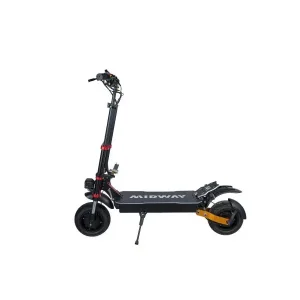
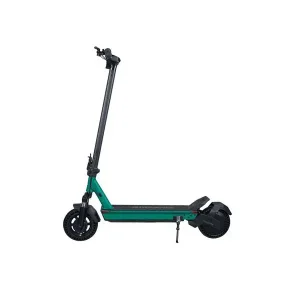
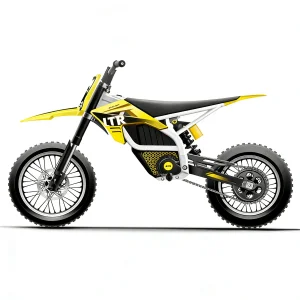
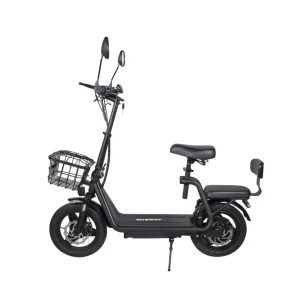
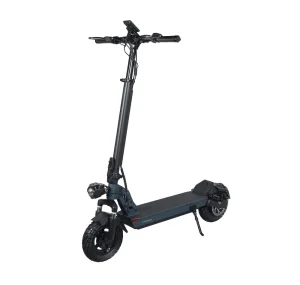
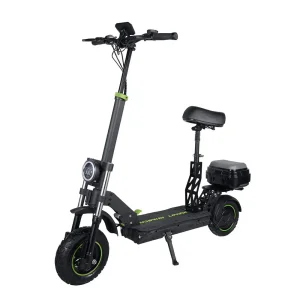
Industrial-grade electric scooters and personal mobility hardware optimized for high-duty commercial rental operations, fleet management, and B2B wholesale deployment.
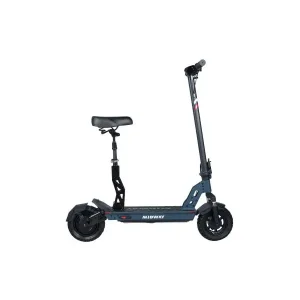
Analyzing macroeconomic shifts, demographic drivers, and fleet capitalization models within the expanding global micro-mobility ecosystem.
The global mobility rental infrastructure is undergoing a fundamental transformation. Driven by aging demographics in developed markets, rapid expansion of eco-tourism hubs, and corporate sustainability mandates, demand for heavy-duty, commercial-grade mobility scooters has shifted from legacy retail sales toward high-turnover rental fleets. Unlike consumer-grade electric scooters designed for light personal use, commercial mobility rental hardware demands rigorous engineering—incorporating reinforced aircraft-grade aluminum alloy frames, IP67-rated waterproofing for electronic speed controllers (ESC), tamper-proof battery compartments, and integrated cellular IoT modules.
For fleet operators, municipalities, and rental concessionaires, procurement directly from a specialized OEM/ODM factory represents a critical cost-efficiency leverage point. Intermediary trading houses often add 35% to 50% margins while diluting engineering transparency. Partnering with a vertically integrated manufacturer in established industrial zones (such as Wuyi, Zhejiang) ensures direct line-of-sight into component sourcing, strict quality control (QC) protocols, direct firmware customization, and robust long-term spare parts supply chains required to maintain fleet uptime above 98%.
Understanding distinct operational contexts to select the optimal motor power, battery chemistry, frame geometry, and software protocol.
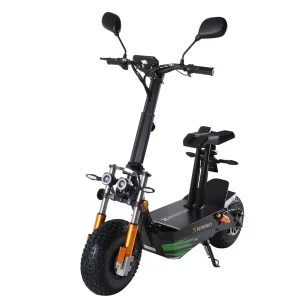
Tourist resorts, beachfront boardwalks, and eco-parks require heavy-duty mobility scooters capable of tackling inclines up to 20° and traversing diverse terrains (gravel, sand, unpaved paths). High-torque 1000W to 3000W brushless hub motors paired with 10-inch or fat-tire Citycoco configurations (e.g., 60V–72V systems) ensure high stability, extended range (up to 65 km per charge), and smooth torque delivery for visitors of varying physical capabilities.
For healthcare complexes, retirement communities, and post-operative recovery centers, safety and ergonomic precision supersede high speed. Hardware optimized for this operational tier features speed-governed controllers (capped at 6–12 km/h), electromagnetic automatic braking systems that prevent roll-back on ramps, ultra-comfort orthopedic seating, and simplified zero-learning-curve throttle interfaces.
Massive indoor/outdoor venues such as international airports, shopping plazas, tech campuses, and amusement parks demand high fleet turnaround. Key engineering criteria include quick-swap battery bays, non-marking pneumatic or solid anti-puncture rubber tires, narrow chassis widths for indoor aisle clearance, and integrated RFID/BLE card readers for seamless automated guest rentals.
In rental operations, 68% of lifelong fleet expense stems from maintenance downtime and premature battery degradation—not initial hardware acquisition. Specifying grade-A LFP (Lithium Iron Phosphate) cells with 2,000+ cycle life alongside IP67-rated brushless vector controllers reduces lifetime operational expenditures by up to 42% compared to standard consumer-grade NCM battery setups.
Next-generation innovations in telematics, power electronics, structural metallurgy, and autonomous fleet intelligence.
| Technology Pillar | Current Generation (V2.4 Fleet Standard) | Next-Gen Roadmap (V3.0 Smart Integration) | Commercial Impact on Rental Operators |
|---|---|---|---|
| Telematics & Connectivity | External 2G/4G IoT module, basic GPS tracking, manual lock toggles | Embedded 5G/NB-IoT + BLE 5.2, sub-meter RTK dual-band positioning, remote ECU firmware flashes (FOTA) | 99.5% reduction in asset theft; automated geofencing speed throttling in restricted pedestrian zones. |
| Battery Systems & Management | 48V/60V Removable NCM Lithium-ion packs, basic passive BMS balancing | Swappable Sodium-ion (Na+) & LFP power packs, CAN-bus Active BMS with real-time cell thermal diagnostics | Elimination of thermal runaway risk; operational functionality down to -20°C; 3,000+ full charge cycles. |
| Drive Motor Architecture | Standard Direct Drive BLDC Hub Motors with Square-Wave Controllers | Field-Oriented Control (FOC) Sine-Wave Vector Controllers with dynamic regenerative braking (e-ABS) | 18% higher energy efficiency; ultra-quiet torque delivery; extended brake pad lifespan by 300%. |
| Chassis Metallurgy | Welded Q235 Carbon Steel or 6061-T6 Aluminum Tubes | Automotive-grade Hydroformed 7075 Aluminum Alloy + High-Impact Thermoplastic Composite fairings | 30% structural weight reduction with 50% increase in yield strength; zero frame corrosion in coastal salt air. |
Modern enterprise rental fleets cannot function as isolated hardware. Factory integration of CAN-bus protocol networks enables remote transmission of motor temperature, battery State of Health (SoH), instantaneous voltage sag, vibration telemetry, and crash detection. These data streams feed directly into operator dashboards via MQTT protocols, enabling predictive maintenance schedules before hardware failures disrupt revenue generation.
Future-proof rental factories design scooters around standardized modular sub-assemblies. Wiring harnesses feature IP67 quick-connect waterproof bayonets, motor wheels utilize split-rim designs for 5-minute tire changes, and control electronics are housed in self-contained sealed aluminum cartridges. This modularity reduces field repair time from hours to minutes.
Examining the structural competitive advantages of the Wuyi, Zhejiang hardware industrial ecosystem.
Located in Wuyi, Zhejiang—the global epicenter of hardware and light electric vehicle production—our manufacturing operations leverage immediate geographic proximity to specialized tier-1 suppliers. Aluminum extrusion mills, CNC machining hubs, motor winding automated plants, and lithium pack assemblers operate within a 30-kilometer radius. This extreme density eliminates supply chain friction and compressed lead times.
From frame robotic welding and automated powder coating to Surface Mount Technology (SMT) controller assembly and 100% full-load dyno testing, our factory maintains total end-to-end quality control. Every wholesale mobility scooter undergoes rigorous structural vibration testing, salt spray corrosion simulation, waterproofing dip tests, and battery thermal imaging prior to container loading.
High-volume manufacturing lines allow our facility to absorb raw material price volatility while offering competitive factory-direct pricing tiers. Concurrently, our dedicated R&D engineering team supports rapid prototyping—enabling OEM partners to modify frame geometry, brand colorways, IoT protocols, wheel dimensions, and speed configurations with short turnaround times.
Navigating stringent international safety benchmarks, ADA requirements, and global logistics execution.
Entering European, North American, and Asia-Pacific markets requires strict adherence to regional regulatory directives. Our factory production lines fully comply with and maintain active certification for:
A rental business models its profitability on machine availability. To support our global B2B clients, we maintain standardized spare parts inventories with dedicated SKU mapping (controllers, hub motors, throttles, tires, brake assemblies, key switches). OEM customers receive structured service manuals, exploded schematics, diagnostic tools, and priority expedited shipping on wear-and-tear components.
Direct technical and commercial answers for enterprise fleet purchasers, rental operators, and regional distributors.
Explore our extended OEM manufacturing line for urban mobility, commercial transport, and heavy-duty citycoco vehicles.