
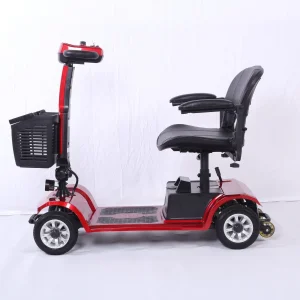
Engineered for high-humidity tropical operation, heavy stop-and-go traffic, and flood-prone urban routes across Greater Jakarta.
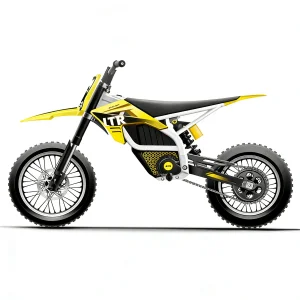
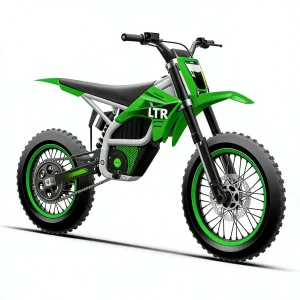
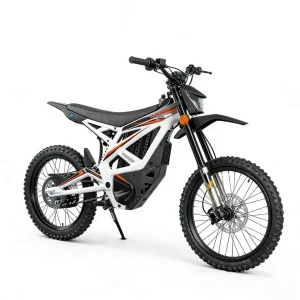
The Special Capital Region of Jakarta (DKI Jakarta), along with its surrounding urban agglomeration (Jabodetabek—comprising Bogor, Depok, Tangerang, and Bekasi), represents one of the dense two-wheeler markets across Southeast Asia. With over 15 million internal combustion engine (ICE) motorcycles currently clogging urban arteries, Jakarta faces compounding challenges: severe localized air pollution, intense traffic congestion, and growing fiscal pressure from government fuel subsidies (such as Pertalite). In response, the Indonesian central government and the Jakarta Provincial Government have enacted aggressive decarbonization policies, mandating the rapid transition toward zero-emission electric vehicles (EVs).
Key regulatory frameworks—most notably Presidential Regulation (Perpres) No. 55/2019 on the Acceleration of Battery Electric Vehicle Programs and Presidential Instruction (Inpres) No. 7/2022 mandating EV procurement for government fleets—have reshaped the commercial landscape. Importers, brand owners, ride-hailing operators (such as Gojek, Grab, and Electrum), and logistics enterprises in Jakarta are actively replacing legacy two-wheelers with high-efficiency electric motorcycles. However, operating electric two-wheelers in Jakarta's demanding physical environment requires specialized engineering adaptations that standard off-the-shelf export vehicles often fail to deliver.
Strategic E-E-A-T Takeaway for Importers: Entering the Jakarta EV market is not merely a matter of importing standard electric bikes. Winning factory partners must possess deep localized engineering expertise—offering IP67+ waterproof battery enclosures for monsoon flooding, high-torque PMSM motors for flyover gradients, and custom CKD (Completely Knocked Down) kit formats that satisfy Indonesia’s stringent domestic content laws (TKDN).
To establish long-term brand authority and maintain low warranty claims in Indonesia, OEM/ODM manufacturing protocols must directly address Jakarta's unique operating conditions:
Jakarta’s annual monsoon season leads to heavy waterlogging and localized flooding ("Banjir"). Motor systems and controllers require strict IP67 to IP68 ingress protection ratings, elevated air intakes, and hermetically sealed wire harnesses.
Continuous stop-and-go operation under high tropical humidity degrades sub-standard lithium batteries. Modern factory designs utilize phase-change thermal potting compounds and intelligent BMS heat dissipation aluminum heat sinks.
In Jakarta commercial fleet operations (ojek online and courier delivery), motorcycles routinely carry payloads exceeding 180 kg. High-tensile cold-drawn carbon steel chassis structures prevent frame fatigue and weld fractures.
The technological core of an export-ready electric motorcycle lies in the convergence of battery chemistry, vector control electronics, and IoT telematics. For the Jakarta market, where daily mileage per vehicle ranges from 80 km for commuters up to 200 km for commercial delivery drivers, static plug-in charging alone is insufficient. Dual-battery architectures and battery swapping (BaaS) protocols have become the benchmark requirement.
| Technical Parameter | Standard Urban Commuter | High-Speed Fleet / Courier | Flagship Commercial Heavy-Duty |
|---|---|---|---|
| Motor Rating (Continuous/Peak) | 1.5 kW / 3.0 kW Hub Motor | 4.0 kW / 6.0 kW Mid-Drive / Hub | 10.0 kW / 13.5 kW Mid-Drive PMSM |
| System Voltage Architecture | 48V / 60V High Efficiency | 72V Heavy-Duty System | 72V / 96V Ultra-Performance |
| Battery Chemistry | LFP (LiFePO4) or NCM Modular | Dual Swappable LFP (60V 24Ah x 2) | Fixed/Dual Modular LFP (72V 40Ah+) |
| Top Speed (KM/H) | 55 - 65 km/h | 80 - 95 km/h | 110 - 130 km/h |
| Gradability (Inclines) | ="12° (Jakarta Flyovers)"18° (Loaded Cargo Incline) | 25° (Underpass & Mountain Routes) | |
| Ingress Protection (Powertrain) | IP66 Rated Controller/Motor | IP67 Sealed Submersible | IP67 / IP68 Fully Enclosed |
While NCM (Nickel Cobalt Manganese) chemistry offers slightly higher gravimetric energy density, modern factory data and field statistics in Indonesia overwhelmingly favor LFP (LiFePO4) for commercial electric motorcycles due to four distinct engineering advantages:
For B2B importers, brand distributors, and government contractors supplying electric motorcycles to Jakarta, regulatory compliance is the single most critical threshold for market entry. Indonesia has constructed a protective trade framework designed to incentivize local manufacturing and assembly.
Administered by the Ministry of Industry (Kemenperin), TKDN measures domestic value-add. Vehicles achieving 40%+ TKDN qualify for valuable luxury tax waivers (PPnBM) and government subsidy schemes ($450+ per unit purchase incentive).
Sertifikat Uji Tipe (SUT) issued by the Ministry of Transportation (Kemenhub) verifies roadworthiness, brake efficiency, electromagnetic compatibility (EMC), and lighting systems required before issuing registration licenses (STNK/BPKB).
Traction batteries must comply with Indonesian National Standards (SNI) and UN ECE R136, encompassing drop tests, vibration stress, thermal shock, short-circuit protection, and overcharge safety protocols.
To assist global partners in satisfying local content thresholds and optimizing logistics tariffs, leading China Industry 4.0 factories provide tailored supply chain modalities:
Leveraging 20+ years of manufacturing lineage, 34,000 m² automated production infrastructure, and vertically integrated supply chains to power global mobility brand partners.
Automated 6-axis robotic arm welding stations ensure high dimensional consistency and structural integrity across cold-rolled frame assemblies, eliminating manual stress points.
Every electric motorcycle undergoes automated dynamometer testing for torque/power output, controller braking efficiency, and high-pressure water spray chamber testing to guarantee IP67 tightness.
Direct strategic alliances with top-tier motor manufacturers, FOC controller developers, and tier-1 lithium cell suppliers guarantee priority component allocation and cost advantages.
For commercial fleet management companies operating in Jabodetabek, fuel expenditure and routine maintenance represent the two largest operational expenses. Replacing a 125cc ICE delivery motorcycle with a 4.0kW high-efficiency electric motorcycle yields immediate financial payback.
| Cost Parameter (3-Year / 60,000 KM Projection) | Standard 125cc Gasoline Scooter (Jakarta) | 4000W / 72V Commercial Electric Motorcycle | Fleet Financial Savings ($ USD) |
|---|---|---|---|
| Fuel / Energy Cost (Per 100 KM) | ~$2.40 USD (Pertalite Gasoline) | ~$0.52 USD (PLN Electricity Rate) | 78% Energy Cost Reduction |
| Scheduled Maintenance (Oil, Belts, Spark Plugs) | ~$450 USD (Engine oils, CVT belts, filters) | ~$110 USD (Brake pads & tire wear only) | 75% Maintenance Savings |
| Motor & Transmission Overhaul Risk | High (Engine wear after 40,000 km) | Zero (Brushless motor, maintenance-free) | High Fleet Availability |
| Total 3-Year Operating Expense | ~$1,890 USD per unit | ~$422 USD per unit | Net Gain: ~$1,468 USD / Unit |
B2B Procurement Advantage: Fleet buyers in Jakarta achieve capital payback within 11 to 14 months of deployment, while drastically lowering carbon intensity scores for ESG reporting.
From lightweight urban kick-scooters to heavy-duty 35KW high-power electric motorcycles—factory-direct solutions with OEM/ODM customization.
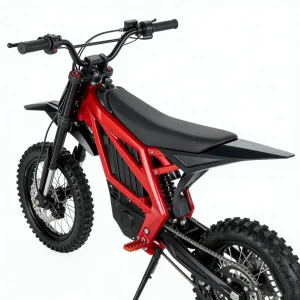
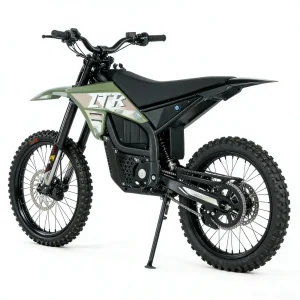
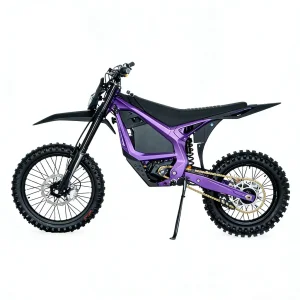
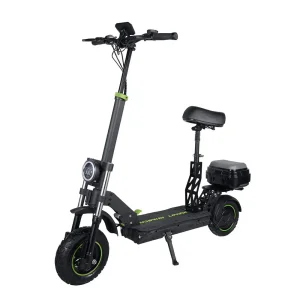
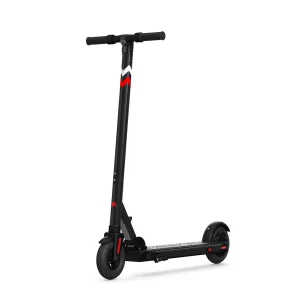
Expert guidance on technical specifications, shipping logistics, OEM customization, and Indonesian homologation procedures.
Electric motorcycles designed for the Jakarta market feature IP67-rated brushless PMSM motors and hermetically sealed sine-wave controllers. Main wiring looms utilize waterproof automotive-grade quick-connectors with double O-ring seals. Battery compartments are elevated above the axle centerline and feature bottom-drain check valves to prevent standing water accumulation during urban street wading up to 30cm depth.
We provide structured CKD (Completely Knocked Down) and SKD (Semi-Knocked Down) packaging configurations. By supplying core mechanical frames, motors, and electronics separately, we enable Indonesian partners to integrate locally sourced tires, seating, wiring harnesses, mirrors, and locally assembled battery packs. This strategy allows Jakarta distributors to easily pass Ministry of Industry (Kemenperin) audits and exceed the required 40% TKDN threshold.
Standard OEM production lead time at our Zhejiang manufacturing facility is 25 to 30 days following sample approval and deposit confirmation. Direct ocean freight container shipping from Ningbo or Shanghai port to Tanjung Priok Port in Jakarta typically takes 9 to 14 days. We provide complete export documentation including Certificate of Origin (Form E for ASEAN tariff exemptions), UN38.3 battery safety reports, and MSDS sheets for seamless customs clearance.
Yes. Our R&D engineering team has extensive experience integrating standardized swappable battery tray dimensions, CAN-bus communication protocols, and smart BMS firmware compatible with leading Indonesian battery swapping infrastructure providers (such as SWAP, Electrum, and Volta). We also offer custom battery lock solenoid mechanisms controlled via CAN-bus or mobile app.
We provide a comprehensive enterprise warranty covering 24 months for frame structures, 18 months for traction battery packs and controllers, and 12 months for hub/mid-drive motors. For containerized bulk orders, we include a 2% complimentary wearing spare parts kit (brake pads, levers, relays, switches) and maintain a fast-track dispatch SLA for technical replacement components via air express when required.
Accelerate your electric two-wheeler market presence in Greater Jakarta. Request full product catalogs, CKD technical specifications, and factory-direct OEM quotation pricing today.
Send Inquiry Now