Engineering-backed electric scooters and mobility vehicles specifically configured for Tokyo’s urban topography, high-density residential storage, and rigorous Japanese industrial specifications.
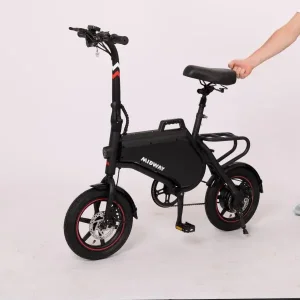
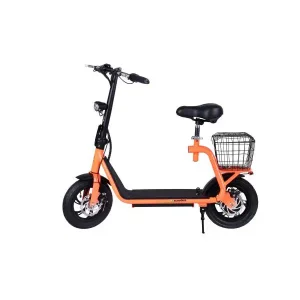
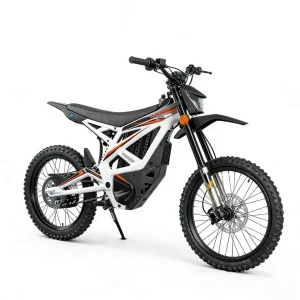
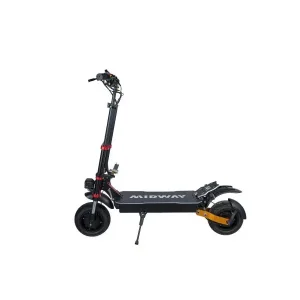
The Greater Tokyo Metropolitan Area, housing over 37 million residents, represents one of the world's most sophisticated transit ecosystems. Following recent legislative updates by Japan's National Police Agency (NPA) regarding "Specified Small Motorized Bicycles" (Tokutei Kogata Kogen-tsuki Jidensha) under the revised Road Traffic Act, the commercial demand for micro-mobility solutions, adult mobility devices, and mid-to-high power electric motorcycles has experienced exponential growth.
Japanese enterprise buyers, trading companies (Shosha), and regional mobility distributors are actively restructuring their sourcing models. Transitioning from domestic assembly to high-precision OEM/ODM manufacturing partnerships in China—specifically leveraging the hardware manufacturing clusters of Zhejiang—enables Japanese brands to secure substantial cost efficiencies without compromising on quality engineering or safety standards.
Sourcing "Hot Products" in Tokyo requires a deep understanding of unique local urban parameters: steep gradients in districts like Roppongi and Kagurazaka, space-constrained parking in residential Kyosho Jutaku, strict battery thermal management regulations mandated by the Ministry of Economy, Trade and Industry (METI), and exact standard adherence to Japanese Industrial Standards (JIS).
Through semantic analysis of Japanese commercial buyer search vectors and procurement RFPs, three distinct intent clusters dominate the Tokyo regional market:
With Tokyo's extensive railway network (JR East, Tokyo Metro, Toei Subway), urban commuters require ultra-lightweight, quick-fold electric scooters. Vehicles must feature seamless folding mechanisms, under 15kg net weight, and integrated transport handles compatible with train carriage luggage dimensions.
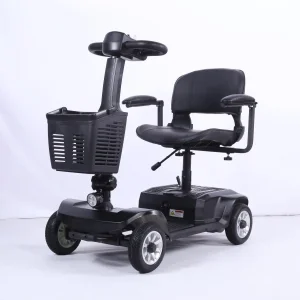
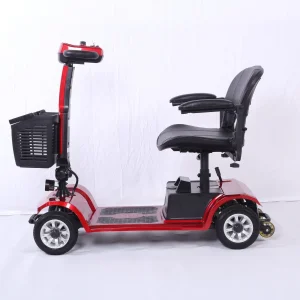
Japan's demographic structure presents unprecedented demand for senior mobility scooters. Tokyo municipal wards prioritize stable 3-wheel and 4-wheel mobility aids with low center-of-gravity, electromagnetic auto-braking, and intuitive speed caps (max 6km/h on pedestrian walkways) conforming to Japanese welfare equipment guidelines.
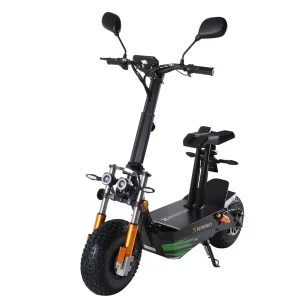
Driven by e-commerce expansion in dense areas like Setagaya and Shinjuku, fleet operators are transitioning to heavy-duty Citycoco fat-tire scooters and 1000W+ electric delivery bikes with modular cargo racks and high-capacity dual-battery swap capabilities.
To successfully launch and distribute electric mobility products within the Japanese territory, manufacturers and factories must adhere to precise technical benchmarks. Below is our factory's compliance engineering matrix tailored for Tokyo B2B buyers:
| Vehicle Category | Target Tokyo Demographic | Motor & Electrical Setup | Critical Regulatory Mandates | Factory OEM Customization |
|---|---|---|---|---|
| Tokutei Small E-Scooter | Daily Commuters, Tourists | 250W - 500W Brushless Hub | Green Flash Speed Indicator, Max 20km/h lock, PSE Battery Mark | Custom Frame Color, Integrated Green LED Light Bar, Japanese Manual |
| Senior Mobility Scooter | Elderly Citizens, Rehabilitation | 180W - 600W Motor w/ Mag Brake | JIS T 9208 Compliance, Max 6km/h walkway limiter, Anti-tip rear wheels | Foldable chassis, Basket attachments, Custom seat ergonomics |
| Heavy Urban E-Scooter | Suburban Commute, Delivery | 1000W - 3000W Dual Motor | JIS D 9111 Frame Stress Test, UN38.3 Lithium Transport Safety | NFC Unlock, IoT GPS Tracker, Dual Hydraulic Disk Brakes |
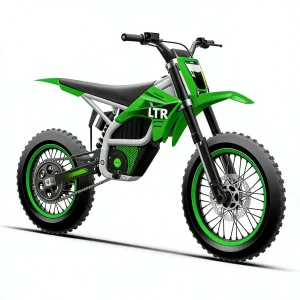
| Electric Motorcycle | Highway & Expressway Commute | 5000W - 35KW Heavy Drive | Japanese Ministry of Land, Infrastructure & Transport (MLIT) Type Approval | ABS Braking, Fast DC Charging Port, Liquid Cooled Controller |
As a primary OEM/ODM enterprise with over 20 years of vertical integration experience, our production ecosystem provides complete supply chain transparency, quality control, and localized fulfillment solutions engineered for Tokyo importers.
Tokyo streets expose micro-mobility hardware to demanding operational cycles and coastal humidity. Our manufacturing plant employs aerospace-grade 6061 aluminum alloy and high-tensile steel frames processed through automated robotic TIG welding. Every chassis undergoes 100,000-cycle dynamic fatigue testing to exceed JIS stress guidelines.
Safety is the single most crucial factor for Japanese consumers. Our battery packs are assembled using A-grade 18650 and 21700 lithium-ion cells integrated with intelligent Battery Management Systems (BMS). Featuring over-charge, over-discharge, short-circuit, and thermal runaway auto-isolation, all battery modules carry genuine METI PSE notification and UN38.3 certification.
Modern Tokyo fleets require digital oversight. We supply embedded IoT modules supporting Bluetooth, 4G-LTE, and GPS tracking. All wireless transmission components comply with Japan's Radio Law (TELEC certification), enabling smooth smartphone app pairing for remote locking, geofencing, and battery telemetry.
From custom silk-screened logos and localized Japanese instruction manuals to drop-tested ISTA-certified export packaging, we deliver turn-key products ready for immediate distribution across Tokyo retail networks, Amazon Japan storefronts, or corporate rental operations.
Importing micro-mobility products into Japan demands absolute regulatory fidelity. Non-compliant imports face severe customs holds at Yokohama or Tokyo ports and legal liabilities under the Consumer Product Safety Act.
All chargers and lithium battery systems come standard with Circle-PSE or Diamond-PSE certification registered with Japanese METI notification filings.
We maintain structured spare parts SKUs (controllers, motors, tires, throttle assemblies) ensuring 48-hour dispatch to Tokyo repair centers and regional dealers.
Enjoy comprehensive manufacturer warranties covering frame structural integrity for 2 years and core electrical drivetrain components for 12 months.
Partner with a trusted, engineering-first manufacturer. Contact our B2B export department today to receive full technical specifications, wholesale pricing, and sample evaluation kits.
Send Inquiry NowAs Tokyo advances toward its "Zero Emission Tokyo Strategy," micro-mobility vehicles are evolving from simple mechanical transport to intelligent, grid-connected urban nodes. Our internal R&D team focuses on key technological advancements tailored for high-density smart cities:
Preparing for next-generation chemistry to enhance cold-weather operational range during Tokyo winters while eliminating thermal hazard risks.
Incorporating ultrasonic sensors and optical cameras to alert riders to pedestrians and tight alleys typical of Tokyo's historic districts.
Optimizing kinetic energy recovery efficiency by up to 15%, significantly extending single-charge distance during stop-and-go urban riding.
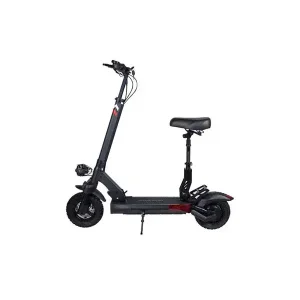
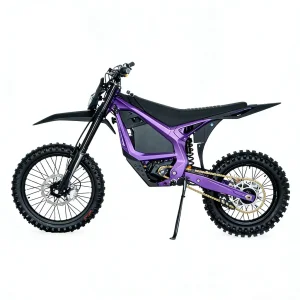
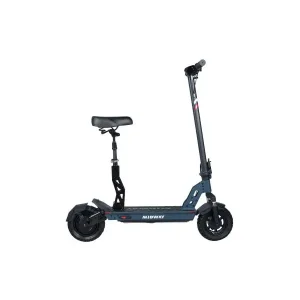
Explore our comprehensive lineup of electric vehicles manufactured under strict ISO9001 quality management, fully customizable for Japanese distributors and brand owners.
Expert answers to critical B2B compliance, logistics, and engineering inquiries from Japanese importers and distributors.
