Premium OEM/ODM micro-mobility units tailored for tropical weather resistance, steep gradeability, and extended battery lifecycles in Southeast Asian operations.
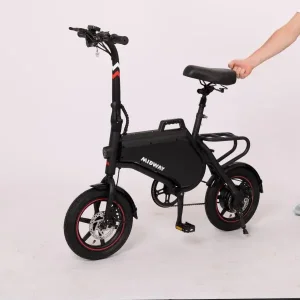
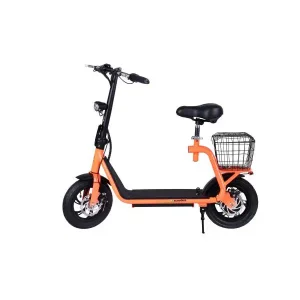
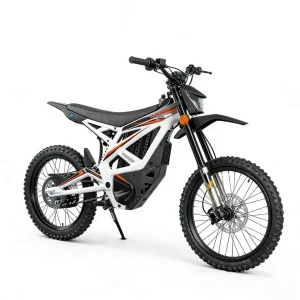
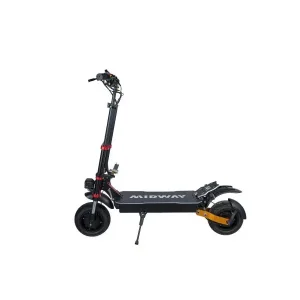
The Kingdom of Thailand is undergoing an unprecedented structural transition within its domestic transportation and light mobility infrastructure. Historically recognized as the "Detroit of Asia" for internal combustion engine (ICE) automotive assembly, Thailand's Board of Investment (BOI) and Ministry of Energy have shifted multi-billion dollar policy incentives toward aggressive electrification. At the core of this transition is the government’s flagship "30@30 Policy", which mandates that zero-emission vehicles (ZEVs) must comprise at least 30% of total domestic vehicle production by the year 2030.
While macro-attention often centers on passenger electric cars, the true rapid-growth catalyst across Thai urban nodes—such as the Bangkok Metropolitan Region, Nonthaburi, and Samut Prakan—lies in two-wheeled and light three-wheeled electric micro-mobility devices. Urban congestion in Bangkok ranks among the highest in Southeast Asia, creating an urgent operational demand for agile, low-emission personal transit vehicles, last-mile delivery fleet scooters, and heavy-duty electric motorcycles capable of navigating dense, high-heat urban corridors.
Furthermore, Thailand’s booming tourism sector—spanning major international resort destinations like Phuket, Koh Samui, Pattaya, and Chiang Mai—is rapidly retrofitting municipal and hospitality transit infrastructures. High-end resorts, island tourist zones, and rental operators are systematically replacing noisy, polluting gas scooters with quiet, high-efficiency lithium-powered electric scooters and Citycoco cruisers. Concurrently, Thailand’s evolving demographics—characterized by an expanding senior population and a thriving medical tourism sector—have generated substantial local market growth for specialized mobility scooters, foldable travel assist devices, and ergonomic medical mobility fleets.
On a global scale, the electric light vehicle industry has transitioned from early consumer adoption to institutionalized fleet deployment. Modern B2B procurement demands strict adherence to performance metrics, modular battery swap capabilities, high power-to-weight ratios, and advanced telematics. Key technical developments shaping global buyer criteria include:
| Technical Vector | Legacy Benchmark | Next-Generation Standard (Serving Thailand & Global) |
|---|---|---|
| Battery Cell Chemistry | Lead-Acid / Early NMC (300-500 Cycles) | Lithium Iron Phosphate (LFP) / Advanced NMC (1,500 - 3,000+ Deep Cycles) |
| Thermal & Weather Protection | Basic IP54 (Rain Sprays Only) | IP67 Sealed Powertrains & Controller Modules for Tropical Monsoon Rain & Flood Resilience |
| Vehicle Telematics | Analog Dash & Standalone Keys | IoT-Enabled CAN-bus, Mobile App Telemetry, GPS Fleet Tracking, Remote Diagnostics |
| Frame & Metallurgy | Standard Carbon Steel Frames | High-Tensile Seamless Aluminum Alloy & Robotic TIG-Welded Steel Chassis |
Global commercial enterprise buyers require factory partners who do not simply assemble off-the-shelf components, but engineer tailored electrical architectures capable of enduring sustained thermal stress. In tropical regions like Thailand, ambient operating temperatures frequently exceed 38°C with high relative humidity. Consequently, modern export-grade electric scooters require advanced Battery Management Systems (BMS) with over-temperature protection, passive heat dispersion fins, and active balancing technology to ensure safe charging cycles in humid environments.
The global dominance of Chinese electric vehicle manufacturers stems from decades of concentrated industrial clustering, integrated hardware supply chains, and unprecedented economies of scale. Centered in hardware manufacturing epicenters such as Wuyi and Zhejiang Province, Chinese factories possess unmatched competitive advantages that directly benefit overseas importers in Thailand and broader ASEAN markets:
From brushless hub motor stamping and CNC chassis machining to in-house BMS programming and plastic injection molding, everything occurs within a tight geographic radius. This minimizes transport overheads and component lead times.
Chinese manufacturing efficiency allows factory-direct OEM/ODM adjustments—such as voltage recalibration, controller tuning for steep terrain, and custom branding—in a fraction of the time required by Western assembly plants.
Leading Chinese exporters maintain comprehensive compliance credentials including CE, RoHS, EN17128, UL2272, and UN38.3 battery transport safety certification, ensuring smooth customs clearance at Laem Chabang Port.
By leveraging China’s advanced manufacturing infrastructure, Thai distributors and enterprise fleet buyers can source high-spec electric mobility units at factory-direct pricing, securing market-leading margins while offering consumers reliable, long-lasting hardware.
To maximize commercial ROI, electric vehicle configurations must be mapped precisely to Thailand’s distinct regional environments and economic use cases:
For courier platforms (e.g., Grab, Line Man, Shopee Express) operating in heavy traffic, high-torque 1000W to 3000W electric scooters with dual-battery swappable trays deliver continuous 12-hour operational uptime without lengthy charging delays.
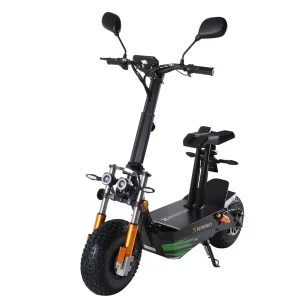
Wide-tire Citycoco scooters and stylish electric motorbikes provide tourists with safe, easy-to-ride coastal transportation. Low maintenance requirements and rust-resistant aluminum components withstand salt-air tropical atmospheres.
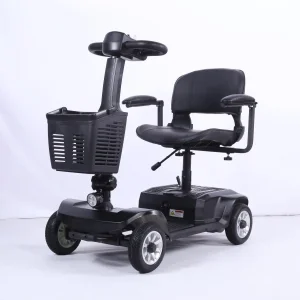
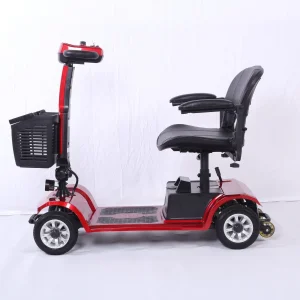
3-wheel and 4-wheel mobility scooters equipped with electromagnetic braking systems, soft-start throttle controls, and ultra-comfortable seating serve Thailand's medical tourism parks and elderly care networks.
Within massive factory complexes and free-trade zones in Rayong and Chonburi, heavy-duty electric scooters facilitate quiet, zero-emission supervisor transit across sprawling indoor-outdoor production sites.
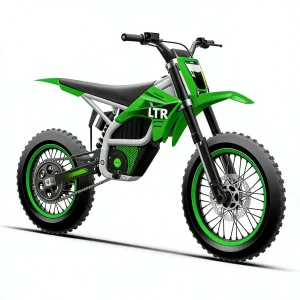
Explore our complete OEM-ready catalog of electric scooters, Citycoco series, mobility vehicles, and high-power electric motorcycles engineered for global exporters.
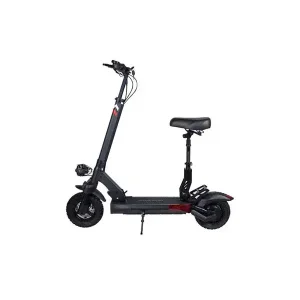
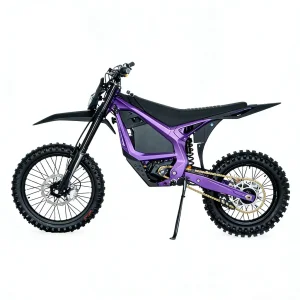
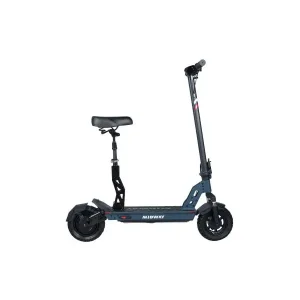
Importing electric scooters and mobility hardware into Thailand requires careful navigation of international trade agreements, customs tariffs, certification standards, and supply chain logistics. To achieve maximum cost efficiency and speed to market, enterprise buyers should implement the following strategic sourcing guidelines:
Under the China-ASEAN Free Trade Area (ACFTA) agreement, qualified electric vehicles and component parts manufactured in China can enter Thailand under preferential tariff rates (frequently 0% to reduced duty brackets) when accompanied by a valid Certificate of Origin (Form E) issued by Chinese customs authorities. Our export documentation team ensures 100% compliance to guarantee frictionless clearance at Laem Chabang or Bangkok Port.
Thailand’s Thai Industrial Standards Institute (TISI) regulates electrical products, batteries, and vehicle safety standards. Sourcing directly from certified manufacturers ensures that battery chargers operate natively on Thailand’s 220V / 50Hz grid with Type C/O plug configurations, while battery packs carry UN38.3 MSDS safety documentation for maritime transport.
A major vulnerability for local importers is the unavailability of replacement components. A successful commercial import program mandates a 3-5% spare parts buffer (controllers, throttle assemblies, brake pads, LED displays, and tire sets) integrated into initial container shipments, backboned by factory direct technical training support.
Expert insights regarding shipping logistics, regulatory compliance, custom manufacturing, and warranty frameworks for Thai importers.
Establish your competitive advantage in the Thai electric mobility market. Request complete product catalogs, factory wholesale price sheets, and customized OEM project quotes today.
Send Inquiry Now