Engineered for urban delivery, suburban commuting, and senior mobility in compliance with Japanese road safety standards.
Understanding the structural shift in Japanese personal transportation, logistics electrification, and regulatory mandates driving wholesale demand.
Japan’s automotive and two-wheeler ecosystem is undergoing a generational pivot. Long dominated by legacy internal combustion engines (ICE) manufactured by domestic giants, the Japanese market for two-wheeled vehicles is experiencing an accelerated electrification push driven by three macro forces: governmental zero-emission targets, demographic urbanization shifts, and the rapid contraction of traditional rural refueling infrastructure.
One of the most compelling catalysts for electric motorcycle adoption in Japan is the alarming decline of petroleum refueling stations in non-metropolitan prefectures such as Hokkaido, Nagano, Akita, and Kagoshima. Due to stringent environmental regulations on underground fuel tanks and an aging station-owner demographic, over 50% of Japanese municipalities are designated as "gasoline supply vulnerable zones." For rural residents, farm operators, and local delivery services, ICE-powered mopeds have become impractically expensive to fuel. High-torque, long-range electric motorcycles capable of standard 100V AC wall-socket charging provide a self-sufficient, cost-effective alternative.
To successfully import and distribute electric motorcycles in Japan, B2B buyers must navigate the precise vehicle classifications established by the Ministry of Land, Infrastructure, Transport and Tourism (MLIT) and National Police Agency:
| Japanese Vehicle Class | Motor Output Rating | License & Registration Requirement | Target B2B Fleet Application |
|---|---|---|---|
| Class 1 Moped (原付第一種) | ≤ 0.6 kW (600W) | Standard Drivers License / Max Speed 30 km/h | Last-mile food delivery, urban personal transit |
| Class 2 Moped (原付第二種) | 0.6 kW - 1.0 kW (1000W) | Small Motorcycle License / No 30 km/h cap | Suburban postal routes, commercial express logistics |
| Light Motorcycle (轻二轮) | 1.0 kW - 20 kW (10KW - 20KW) | Standard Motorcycle License / Highway Legal | Inter-city cargo, high-performance urban commuting |
| Specified Small Motorized Bicycle (特定小型原付) | ≤ 0.6 kW (Speed capped at 20 km/h) | No License Required (Age 16+) | Shared micro-mobility, resort & campus mobility |
SEO Information Gain Insight: Sourcing electric motorcycles for Japan requires factory-level configuration of dual speed-limiters, JIS D 1030 compliant lighting systems, and CAN-bus integration tailored to Japanese 100V grid-voltage chargers.
Combining Japanese precision quality demands with the scale, technology, and cost leadership of Wuyi/Zhejiang EV manufacturing hub.
Integrating automotive-grade CATL, BYD, and EVE LiFePO4 / NCM cells with intelligent Battery Management Systems (BMS). Features active temperature equalization essential for cold Japanese winter conditions in Hokkaido and Tohoku regions.
Factories operate under ISO9001 certified protocols, conducting frame stress tests, IP67 waterproof immersion tests for hub motors, and EMC electromagnetic compatibility testing required for Japanese clearance.
Full capability to customize ECU throttle curves, low-noise sine-wave controllers, Japanese warning stickers, custom branding, and specialized rear cargo racks for Japanese courier boxes.
From Tokyo dense urban logistics to Hokkaido agricultural utility, exploring commercial use cases driving bulk procurement.
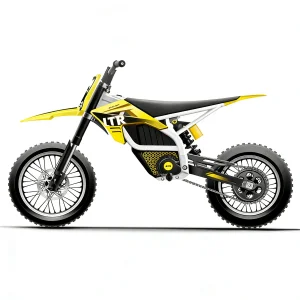
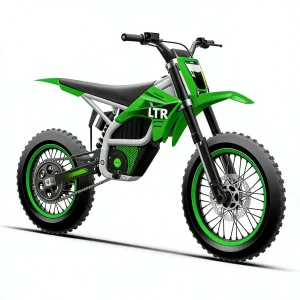
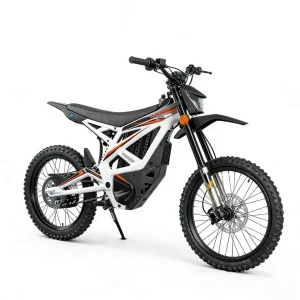
Major Japanese courier services (such as Yamato Transport, Sagawa Express, and Japan Post) are actively phasing out 50cc gas mopeds in dense metropolitan zones like Shinjuku, Shibuya, and Umeda. Quiet 1000W to 4000W electric scooters with high low-end torque allow smooth navigation through narrow alleyways without noise pollution during late-night or early-morning deliveries.
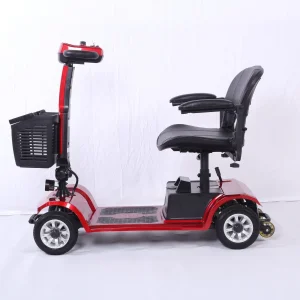
With over 29% of Japan's population aged 65 or older, safe 4-wheel and 3-wheel low-speed 250W mobility scooters represent a booming market segment. These vehicles serve as vital transport for elderly citizens in suburban housing developments (Danchi), providing independent mobility for shopping and medical visits.
Tourist hotspots including Okinawa, Kyoto, Kamakura, and Ishigaki Island are replacing rental ICE scooters with eco-friendly Citycoco and electric mopeds. Zero emissions preserve local ecological heritage while offering international and domestic tourists an intuitive, quiet rental experience.
Comparative financial metrics for Japanese commercial fleet buyers transitioning from ICE to Factory-Direct EV fleets.
| Cost Parameter (3-Year Commercial Horizon) | Traditional 50cc Gasoline Scooter Fleet | Factory-Direct 4000W EV Fleet | Financial Advantage for B2B Operators |
|---|---|---|---|
| Fuel / Energy Cost (per 10,000 km) | ¥75,000 (Based on ¥175/L Gas) | ¥14,200 (Based on Japanese Commercial Grid Tariffs) | 81.0% Savings |
| Routine Maintenance (Engine Oil, Belts, Spark Plugs) | ¥35,000 / Year per vehicle | ¥6,500 / Year (Brake Pads & Tire Wear only) | 81.4% Cost Reduction |
| Vehicle Acquisition Cost (Wholesale OEM) | High Domestic Retail Margin | Direct Factory Wholesale Price | 35-50% Initial Margin Advantage |
| Carbon Offset Credits & Municipal Subsidies | None (Subject to carbon penalties) | Eligible for METI & Local Government EV Grants | Subsidized Capex |
Explore our full factory direct catalog. Designed for high durability, zero maintenance bottlenecks, and high ROI.
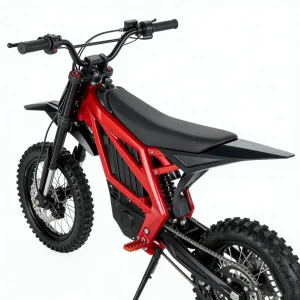
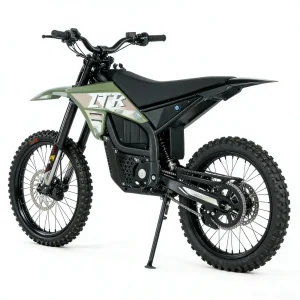
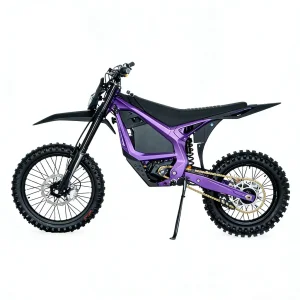
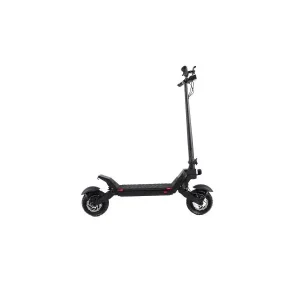
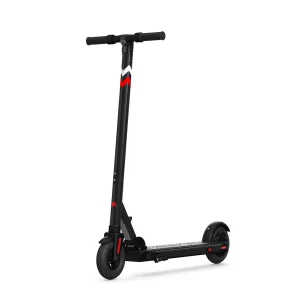
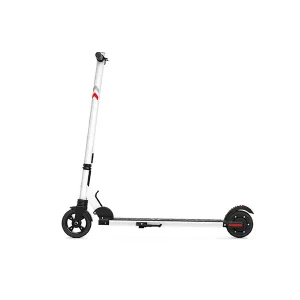
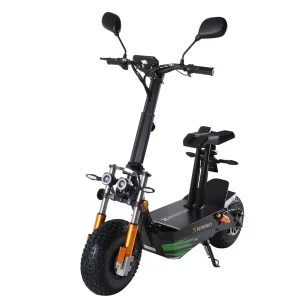
A structured roadmap for Japanese importers and fleet procurement directors evaluating Chinese EV manufacturers.
Verify MSDS, UN38.3 transport safety reports, and drop-test certifications for lithium battery packs. Ensure BMS features over-charge, over-discharge, and thermal runaway shutdown protection.
Audit high-tensile carbon steel or robotic-welded aluminum alloy frames under dynamic fatigue testing (over 300,000 vibration cycles) to guarantee safety under continuous heavy delivery loads.
For Japanese coastal prefectures, hub and mid-drive motors must be IP67 rated, and metal components must pass 96-hour neutral salt spray (NSS) corrosion testing.
Confirm chargers are customized for Japan’s 100V 50Hz/60Hz dual-frequency power grid with PSE (Product Safety of Electrical Appliances and Materials) certification compliance.
Establish 3% spare parts staging (controllers, throttles, brake pads, tires) alongside major container shipments to ensure immediate warranty service fulfillment in Japan.
Addressing crucial regulatory, technical, and logistics questions for Japanese importers and global distributors.
Partner with an established electric vehicle manufacturer. Access direct factory pricing, flexible OEM customization, and full Japanese regulatory compliance support.
Send Inquiry Now - Request Wholesale Quotation